

LIVE: Launch of the Digital News Report 2026
The Reuters Institute unveiled its 15th Digital News Report, highlighting a seismic shift in how audiences worldwide discover and consume journalism. The 2026 edition underscores platformization: social media and video networks have overtaken traditional TV, news websites, and apps as the primary news sources, while AI chatbots are emerging as a new gateway, now used by one in ten respondents and growing rapidly in markets such as South Korea, Greece, and Spain. Key data points reveal a generational divide and a trust crisis. Younger users, especially under 35, are abandoning TV and owned news apps altogether, with over a third of U.S. adults 18‑24 never regularly watching TV news. Trust in news brands fell to its lowest level since the report’s inception, with 29 of 48 surveyed markets showing statistically significant declines. Meanwhile, AI‑driven news access remains modest, hampered by low confidence in chatbot accuracy and a lack of clear use cases. Jill Webster emphasized that “people still believe in impartial journalism” even as they turn to video, creators, and AI for depth and context. Jim Egan warned that platform‑driven discovery erodes direct audience relationships, citing the U.S. shift from broadcast to social feeds. The report also notes that Reuters is investing in AI tools to boost journalist productivity without compromising the Thomson Reuters Trust Principles. The findings compel newsrooms to rethink distribution strategies, prioritize video and social formats, and rebuild trust through transparent, neutral reporting. For advertisers and media investors, the data signals where audience attention—and revenue—will flow in the coming years, while Reuters positions itself as a technology‑enabled, trust‑focused partner for the evolving ecosystem.

How People Get News in 2026 | Digital News Report 2026: Episode 1
The Reuters Institute’s Digital News Report 2026, based on over 100,000 respondents across 48 markets, paints a stark picture of a news audience in flux. Interest in news has fallen by roughly 15 percentage points over the past five years,...
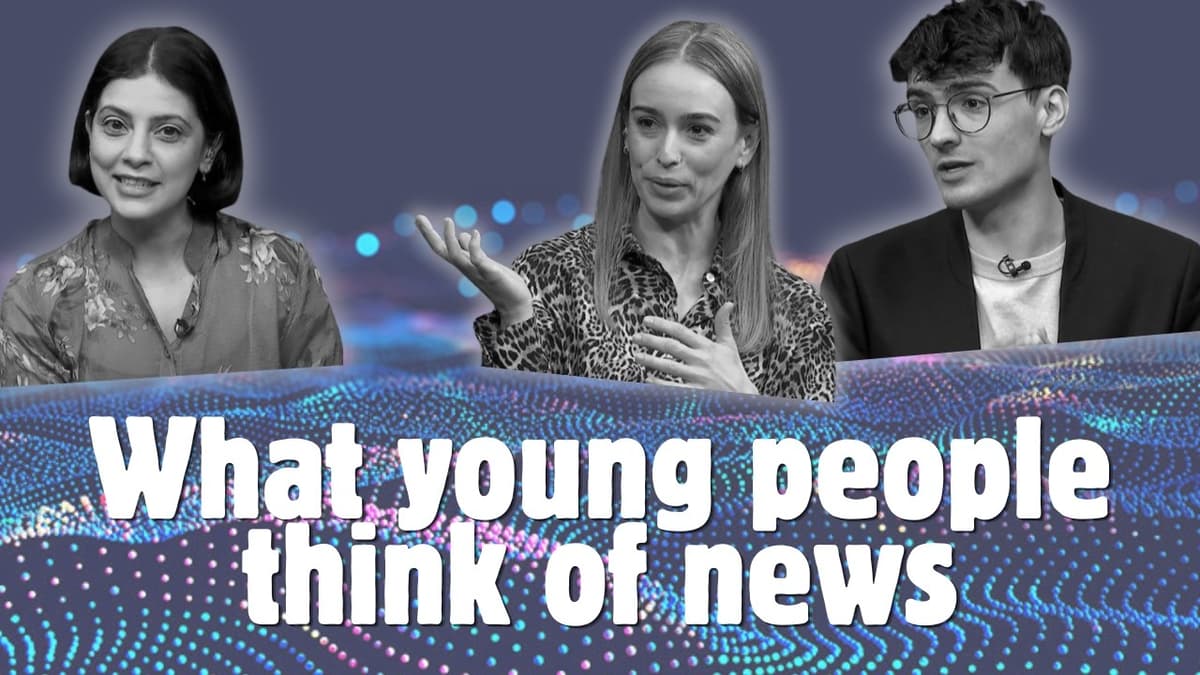
From Creators to Newsrooms - How Young Audiences Are Engaging with News. | Reuters X RISJ Webinar
The Reuters Institute webinar examined how 18‑24‑year‑olds obtain and engage with news, highlighting a shift from traditional outlets to a social‑first, creator‑driven ecosystem. Using a decade of Digital News Report data, presenters showed that 39% of young people now cite...

Journalist Unions' Fight over AI Threats
The video examines how journalist labor unions are confronting the rise of artificial intelligence in newsrooms, where AI tools are increasingly used for research, transcription, and even drafting stories. While AI has not yet triggered widespread layoffs, unions warn that the...

Young People's Changing News Habits
The video examines how young adults’ news‑consumption habits have shifted dramatically over the past decade. In 2015, only two‑in‑ten 18‑ to 24‑year‑olds named social media as their main news source, while a larger share turned to traditional TV or dedicated...

Are Young People Still Interested in News?
The video examines how news interest varies by age, revealing a sharp decline among 18‑24‑year‑olds compared with older cohorts. Only about one‑third of young adults say they are very or extremely interested in news, versus roughly half of those 45 and...

Investigating Atrocities Using AI
A team of journalists entered Damascus after Bashar al‑Assad’s regime fell, digitizing tens of thousands of security‑ministry documents, many handwritten in Arabic, to investigate war crimes. Using a custom AI pipeline, lead technologist Allison Martell built translation layers and a visual‑search...

AI Funding From Ads, Surveillance and War
The video examines the emerging revenue models that will fund the next wave of artificial‑intelligence development. It highlights OpenAI’s decision to place ads within ChatGPT answers and the ongoing Pentagon debate over limiting AI to partially autonomous weapons and surveillance...

How People Think About AI's Role in News and Society
The video presents the 2025 GenAI News Report, a nationally representative online survey conducted in six countries that examines how audiences use generative AI and how they perceive its role in news and broader society. Researchers Phil Simon, Richard Fletcher...

The AI Stories We Tell – and the Ones We Don't
The session titled “The AI stories we tell – and the ones we don’t” convened a panel of journalists from Politico, the Bureau for Investigative Journalism, Bloomberg, and a climate author to interrogate how media narratives shape public perception of...

GenAI and the Road Ahead: Platforms, Audiences and Editorial Standards
The panel titled “GenAI and the road ahead: platforms, audiences and editorial standards” brought together Chris Moran, head of editorial innovation at the Guardian, and Oxford associate professor Katarina Herog to examine how generative AI is reshaping journalism, audience expectations,...

AI and the Future of News 2026
Journalists gathered at the Reuters Institute’s second annual AI and the Future of News conference in Oxford, drawing more than 3,000 online participants and a live audience. The event underscored the institute’s three‑pronged strategy—evidence‑based research, global engagement, and broader societal...

Journalism as Resistance
In a televised lecture hosted by the Reuters Institute, award‑winning Salvadoran journalist Carlos Dada warned that journalism has become a form of resistance against a wave of authoritarian populism sweeping the globe. Drawing on his experience leading El Faro, the region’s...

Cuba's Exiled Journalists
Cuba continues to rank as the worst country for press freedom in Latin America and among the lowest globally, a status cemented by a constitution that declares all news media state property, effectively outlawing independent journalism. The regime’s crackdown has forced...
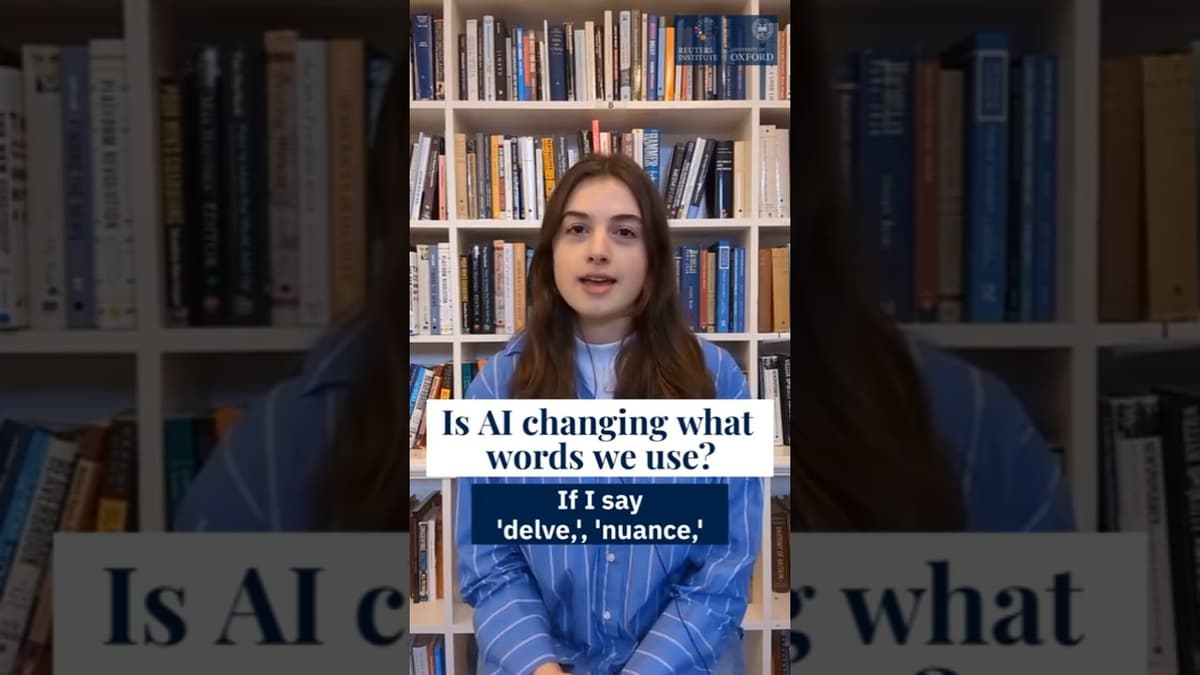
Is AI Changing the Language We Use?
The video examines whether large language models are reshaping everyday English, focusing on a handful of “polished” terms—delve, nuance, navigate—that have become shorthand for AI‑generated text. Reuters Institute journalist Marina Adami cites linguistic studies showing LLMs indeed favor these words more...