

Emily Durham: Clock In
Emily Durham tackles the outdated job‑search playbook in an AI‑driven market, arguing that many long‑standing tactics no longer work. She points out that recruiters spend less than six seconds reviewing an application and that AI screening, while controversial, still shapes which resumes get seen. Durham debunks several myths: tailoring a resume for every posting, stuffing it with keywords, rehearsing perfect interview scripts, and blasting out thousands of applications. Instead, she urges candidates to ensure their resume and LinkedIn are solid, then invest time in networking and building connections. She emphasizes two core employer desires—AI fluency and genuine empathy—and warns that over‑reliance on scripted answers can make candidates sound identical. Key moments include her claim, “Recruiters look at your application for less than six seconds,” and the advice that “silence is the most powerful negotiation tool.” She also addresses ageism, urging seasoned professionals to frame experience as forward‑thinking strategy rather than static institutional knowledge. The takeaway for job seekers is clear: abandon mass‑customization, focus on AI competence, showcase empathy, and negotiate using a minimum viable salary while letting silence do the heavy lifting. This approach promises higher response rates, better offers, and a more resilient career trajectory in a rapidly automating workplace.
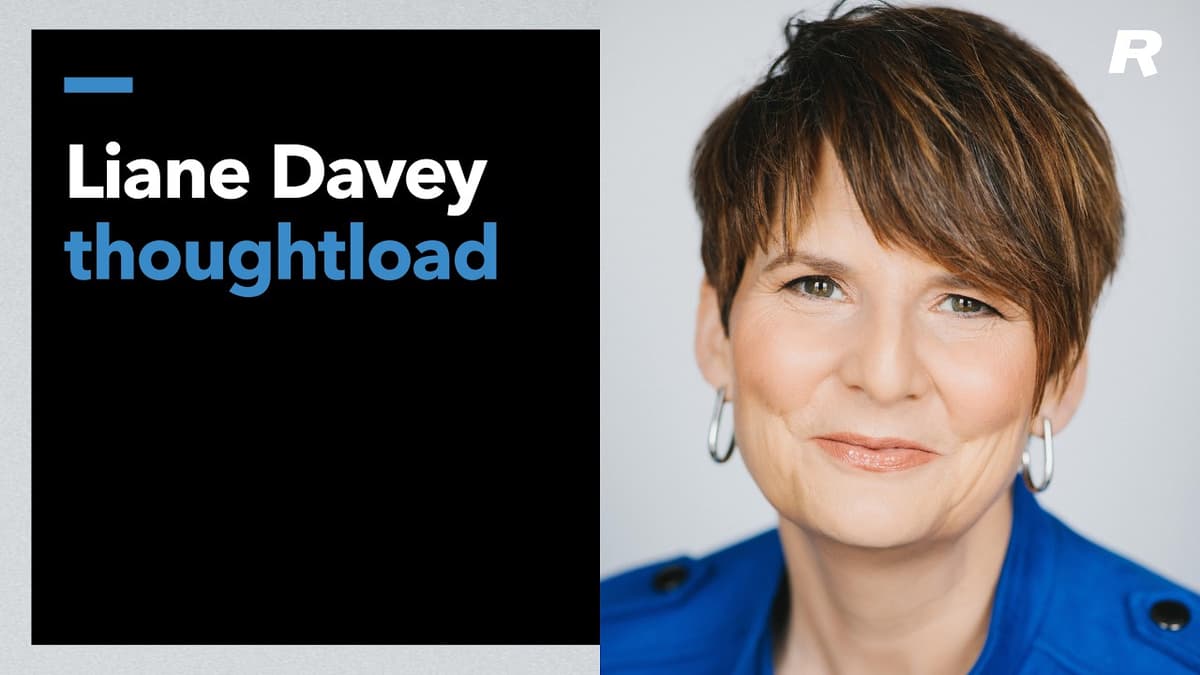
Liane Davey: Thoughtload
Liane Davey’s talk, titled “Thoughtload,” examines why traditional productivity metrics fail in modern organizations, arguing that the real bottleneck is not workload but the mental burden of unmanaged thought‑load. She illustrates the point with a CTO’s pilot analogy: operating at...
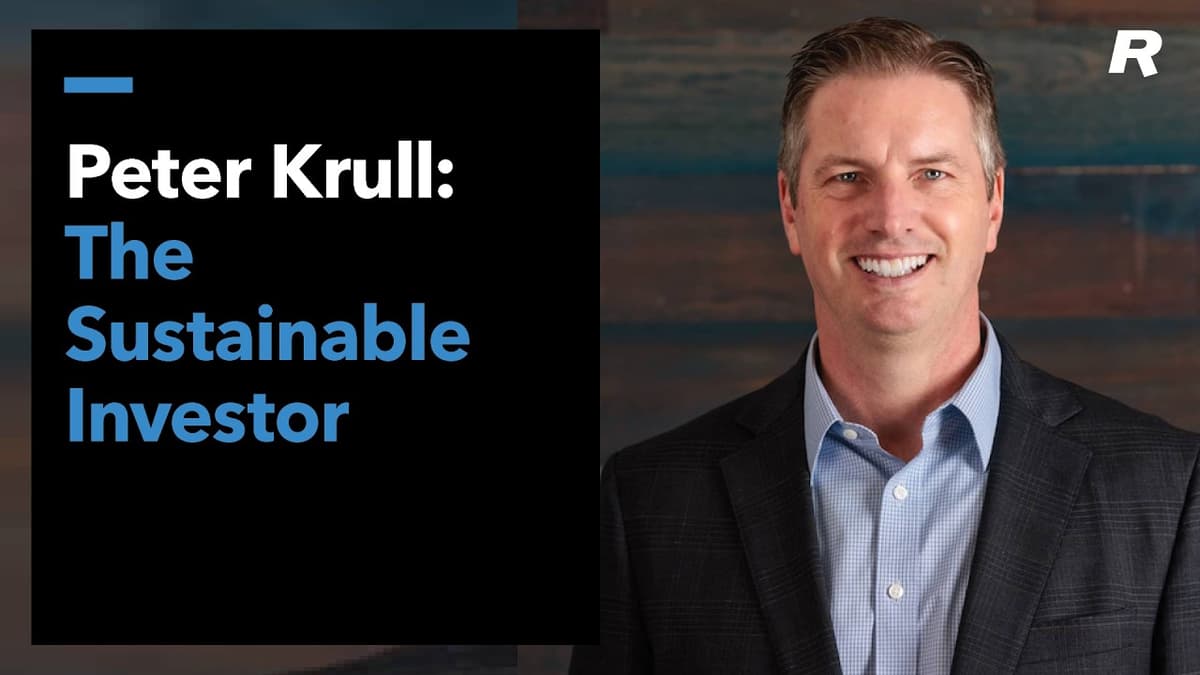
Peter Krull: The Sustainable Investor
Peter Krull frames sustainable investing as a bottom‑up, solutions‑based approach that contrasts with the top‑down risk‑management focus of traditional ESG. He argues that advisors must master both frameworks to meet client expectations, and he introduces the SRRI 3.0 model—sustainable, resilient, and...
Rotman Management Magazine - Spring 2026 Issue
The clip appears to be a brief segment associated with Rotman Management Magazine’s Spring 2026 issue, yet the transcript offers little coherent narrative. The speaker delivers disjointed instructions—taking a picture, sharing it, and clicking on a bulletin—without explaining the purpose...

Chris Bailey: Intentional
Chris Bailey frames intentional living around twelve universal values—self‑direction, stimulation, hedonism, achievement, power, face, security, tradition, conformity, humility, universalism, and benevolence—arguing that every motivation stems from these guiding principles. He highlights that 81% of New Year’s resolutions fail because people...

Dr. Brian Goldman: The Casino Shift
Dr. Brian Goldman’s talk, titled “The Casino Shift,” frames emergency departments (EDs) as a canary in the coal‑mine of Canada’s health system, highlighting how they have evolved from acute‑crisis centers to catch‑alls for patients the rest of the system fails...

Dr. Kaitlyn Regehr: Smartphone Nation
Dr. Kaitlyn Regehr’s talk “Smartphone Nation” warns that unlike food or medicine, digital services lack consumer‑level safeguards, turning users’ attention into a commodity sold to advertisers. Her team conducted an algorithmic study on TikTok, creating archetypes from interviews with teenagers, then...