
Recent Posts
Blog•Dec 22, 2025
Y-Combinator’s Framework for Building a Successful MVP.
The episode breaks down Y‑Combinator’s MVP framework, emphasizing that a Minimum Viable Product must be both minimal and viable—enough to let real users test the core solution. It contrasts founder mindsets, shows how Airbnb, Twitch, and Stripe launched ultra‑simple versions for a desperate early‑adopter segment, and outlines a scientific‑method loop of hypothesis, test, observe, and iterate. Practical steps include setting a hard deadline, listing and then ruthlessly trimming features, and treating the MVP as a hypothesis rather than a finished product. The key takeaway is that rapid, user‑focused launches generate deep feedback from a small, passionate user base, which drives meaningful growth.
By Sahil S
Blog•Dec 17, 2025
How Big Is AI Spending, Really? | Using ChatGPT for Competitive Analysis. | Measuring Real Efficiency in Venture Exits.
The episode breaks down three major trends: AI infrastructure spending is already 1.6% of U.S. GDP and could near 3% by 2030, dwarfing past tech booms but still far from wartime mobilisations; female‑founder funding in Europe is rising in absolute...
By Sahil S
Blog•Dec 16, 2025
Elad Gil’s Framework for Spotting Billion-Dollar Markets Before They Look Big.
Elad Gil explains how to uncover billion‑dollar markets that appear small or unappealing by prioritizing market size over ideas, using first‑principles analysis, solving personal pain points, and validating demand through paying customers. He outlines four spotting principles and three market...
By Sahil S
Blog•Dec 5, 2025
How to Build an Investor CRM (With Template) | The Four Product Discovery Models: Where Your Company Really Operates.
In this episode, Sahil S explains that successful fundraising is 80% organization and introduces a simple investor CRM built in Google Sheets, complete with a downloadable template. He walks listeners through essential columns—contact info, investor type, referrer, and stage—showing how...
By Sahil S
Blog•Dec 1, 2025
The Metric that Predicts AI Product Success. | Why AI Coding Assistants May Slow You Down. | How to Actually...
The episode examines three core themes: the productivity paradox of AI coding assistants, which often slow developers despite a perceived speed boost and introduce security risks; the concentrated nature of AI venture funding, where massive capital flows into a few...
By Sahil S
Blog•Nov 25, 2025
How to Do User Research without Users: The Synthetic User Guide. | The Truth About ChatGPT Enterprise Adoption.
Unicorns are back: what founders must understand right now & VC Jobs
By Sahil S
Blog•Nov 14, 2025
Y-Combinator Pitch Deck Framework: Access 50+ Decks That Raised Over $450M.
In this episode, Sahil S breaks down Y Combinator’s proven pitch‑deck framework for seed‑stage startups, outlining a clear slide structure—from title and problem to traction, market size, and the ask—while emphasizing narrative simplicity and investor memorability. He highlights why a...
By Sahil S
Blog•Nov 13, 2025
How Big Is AI Spend, Really? | What 180M Job Postings Reveal About AI’s Impact. | VC's Turning Into a...
The episode breaks down the massive scale of AI infrastructure spending, now at 1.6% of U.S. GDP and projected to approach $1 trillion annually by 2030, dwarfing historic economic mobilisations. It also highlights Europe’s narrowing valuation gap with the U.S. at...
By Sahil S
Blog•Nov 11, 2025
The Growth Strategy Most Startups Overlook: Engineering-as-Marketing. | The Smartest Startup Pivot in Recent AI History.
The episode introduces Engineering-as-Marketing, a growth tactic where startups build free, useful tools that double as product experiences and marketing assets, allowing them to acquire users organically without heavy ad spend. It explains why the approach works—low competition, upfront value,...
By Sahil S
Blog•Nov 7, 2025
The only AI Prompt Guide You Need for Idea Validation & Competitor Research. | Why VCs Pull Back From China...
The episode breaks down three major trends: AI deal activity is slowing in volume but concentrating in massive mega‑rounds, while VC and PE bonuses stay flat and secondaries see double‑digit bonus growth; venture capital is sharply retreating from China’s AI...
By Sahil S
Blog•Nov 4, 2025
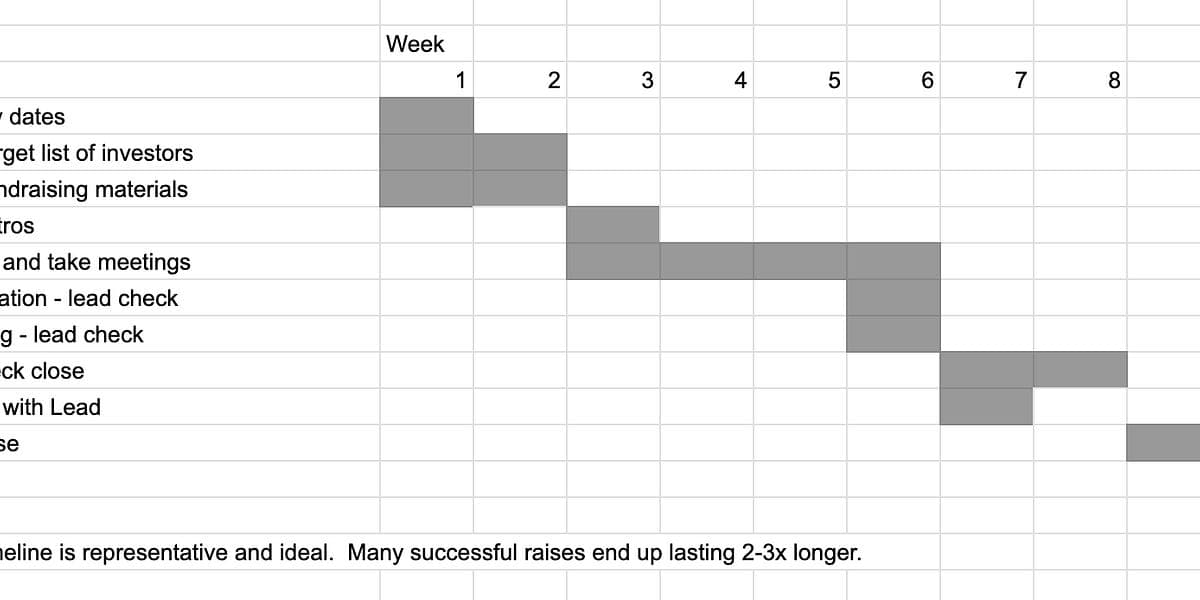
The Three Sales Frameworks Every Early-Stage Founder Needs. | Template-Tips: Everything You Need to Raise a Successful Seed Round
The article presents three story‑centric sales frameworks that early‑stage founders should adopt – crafting a compelling founder narrative, leveraging concrete customer success stories, and structuring sales calls around those stories – each backed by simple templates and real examples. Sahil...
By Sahil S
Blog•Oct 31, 2025
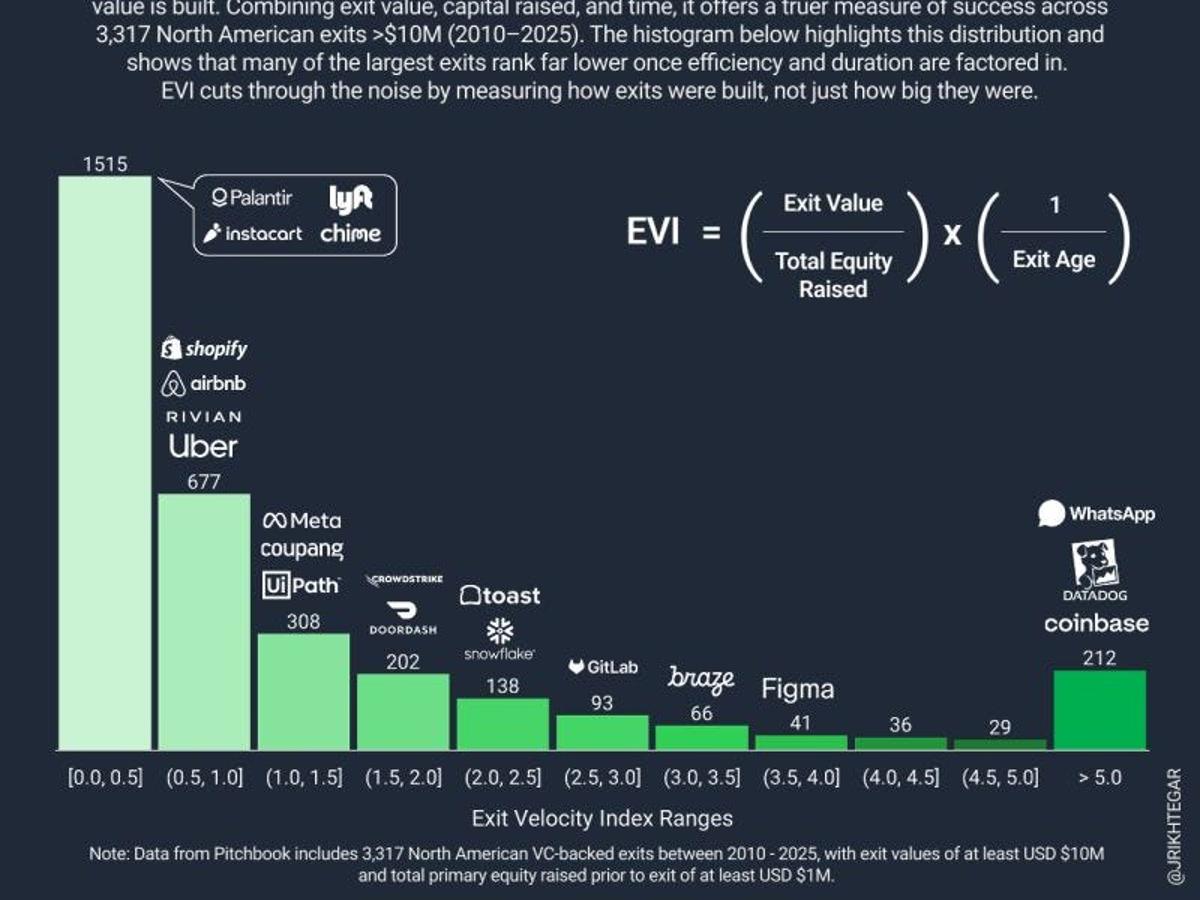
Y-Combinator’s New Batch Doubles Down on Production-Ready AI, Unconventional Tactics for Validating Your Startup Ideas & Measuring True Efficiency in...
Paid AI adoption in the United States slipped 0.7% in September, but enterprise contract values surged from $143 K in 2024 to $530 K in 2025, showing a move from experimentation to deep integration. Y Combinator’s Summer 2025 batch of 165+ startups mirrors this...
By Sahil S