
New Research on Torque Training, Ketones, Carb Loading and Pacing
The episode of the Scientific Triathlon podcast examined two recent studies: one on torque‑training intensity for cyclists and another on post‑exercise ketone supplementation during an eight‑week endurance program. Both researchers and host Michael Ericson broke down the methodology, outcomes, and practical relevance for triathletes. The torque study randomized cyclists into a control group, a high‑torque sprint protocol (five 7‑stroke sprints at 70% maximal torque), and a low‑torque 5‑by‑4‑minute interval group (≈35% maximal torque). While both intervention groups outperformed controls in a 20‑second sprint, only the sprint group showed measurable gains in peak power and quadriceps cross‑sectional area; the low‑torque group yielded no statistically significant advantage. The ketone study gave cyclists 25 g of ketone monoester after training and another 25 g before bed, five days a week for eight weeks. Results showed a 4% improvement in 30‑minute time‑trial performance and a 6% rise in VO₂peak versus placebo, but the protocol cost roughly $1,800‑$3,000 per athlete. For coaches and athletes, the findings suggest that brief, high‑torque sprints can be integrated with minimal fatigue risk, whereas low‑torque intervals may not justify their training time. Ketone supplementation may enhance performance, yet its high expense and delayed benefits demand careful cost‑benefit analysis before adoption.
The Swim Technique Hierarchy of Needs for Triathletes | Brenton Ford (Effortless Swimming)
Brenton Ford, coach and founder of Effortless Swimming, lays out a practical ‘hierarchy of needs’ for triathletes’ freestyle technique: start with breathing, then build a stable body frame (head, alignment, narrow kick), add 30–40° rotation, then work recovery/entry/reach, develop the...
Should You Do VO2max Training when Preparing for Sprint and Olympic Distance Triathlon? #triathlon
The video addresses whether VO2max training should be incorporated when preparing for sprint and Olympic distance triathlons, focusing on pacing and intensity zones. The speaker explains that sprint race pace corresponds to an athlete’s critical speed or power, while Olympic distance...
The Essential Guide to Sprint and Olympic Distance Triathlon Training
The episode serves as a practical guide to sprint and Olympic‑distance triathlon training, emphasizing non‑draft formats while sprinkling in a detailed discussion on bike chain waxing as a cost‑effective performance tweak. Jack Hutchins outlines the core performance determinants: despite the shorter...
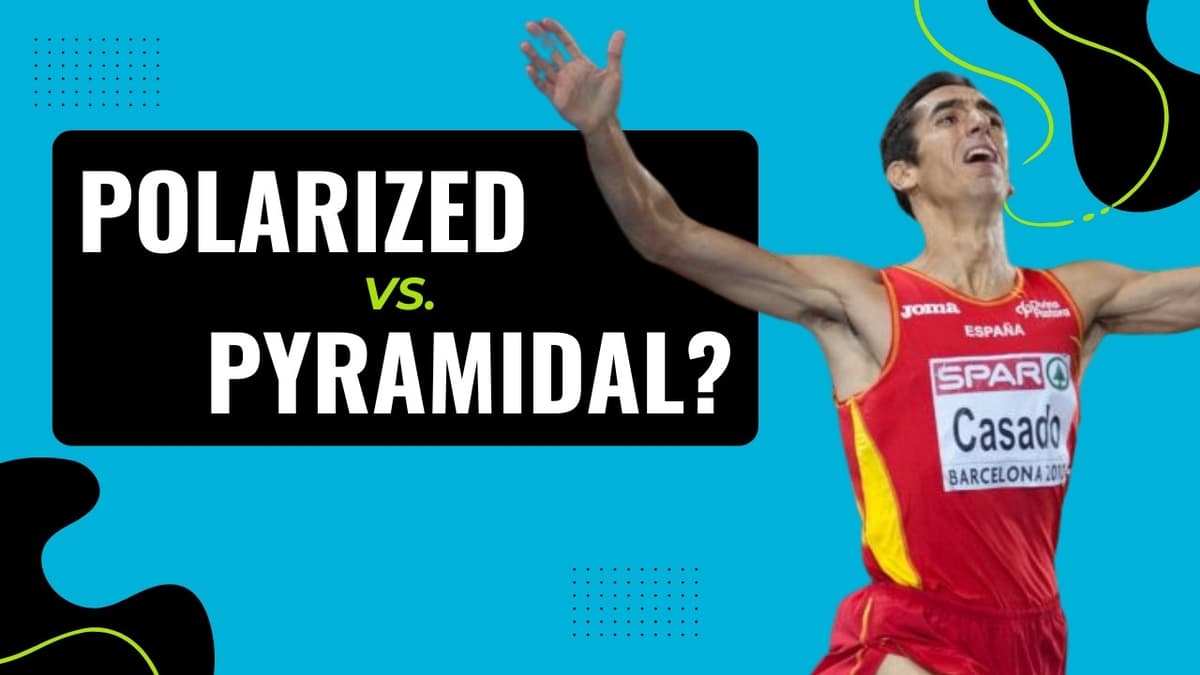
Polarized Vs. Pyramidal Training | Arturo Casado, PhD
The That Trafon Show hosted Dr. Arturo Casado, a former European 1500‑m champion and associate professor at Universidad Juan Carlos, to discuss training intensity distribution and the polarized versus pyramidal models that dominate endurance coaching today. Casado reflected on his own...
Lifetime Training Hours & Long-Term Aerobic Development: How to Reach Your Potential in Triathlon
The podcast delves into how many lifetime aerobic hours a triathlete needs to unlock true performance potential. Host Michael Ericson and coach Carson Christristen discuss the classic 10,000‑hour rule, recent Norwegian research, and personal data to frame a realistic training...
How to Use Heart Rate Drift to Monitor Training Adaptations #triathlon #ironman
The video explains how athletes can use heart‑rate drift during structured workouts to gauge physiological adaptations, a technique especially relevant for triathletes and Ironman competitors. By comparing heart‑rate responses across repeated intervals, riders and runners can detect subtle changes in...

False Positives in Wearable Technology for Endurance Athletes #triathlon #ironman #sportsscience
Endurance athletes are grappling with the Oura ring’s AI health alerts, which frequently flag potential illness despite normal biometrics. The speaker, an avid user, reports roughly a 70% false‑positive rate, prompting concerns about the algorithm’s specificity. The discussion highlights a core...
How To Manage Intensity For Masters Athletes #triathlon #ironman
The video addresses how masters athletes—typically over 35—should recalibrate their training intensity to stay competitive without overtaxing recovery systems. While younger athletes could sustain daily hard sessions across swim, bike, and run, older competitors must prioritize volume and aerobic work...
Triathlon Training for Masters Athletes - Maximise Performance in Your 50s and Beyond
The Triathlon Show episode focuses on how athletes over 35 can optimise performance and longevity in triathlon, covering equipment tweaks, injury‑prevention habits, and the physiological realities of aging. Host Michael Ericson and guest Jack Hutchins discuss practical adjustments—from adopting 160 mm...
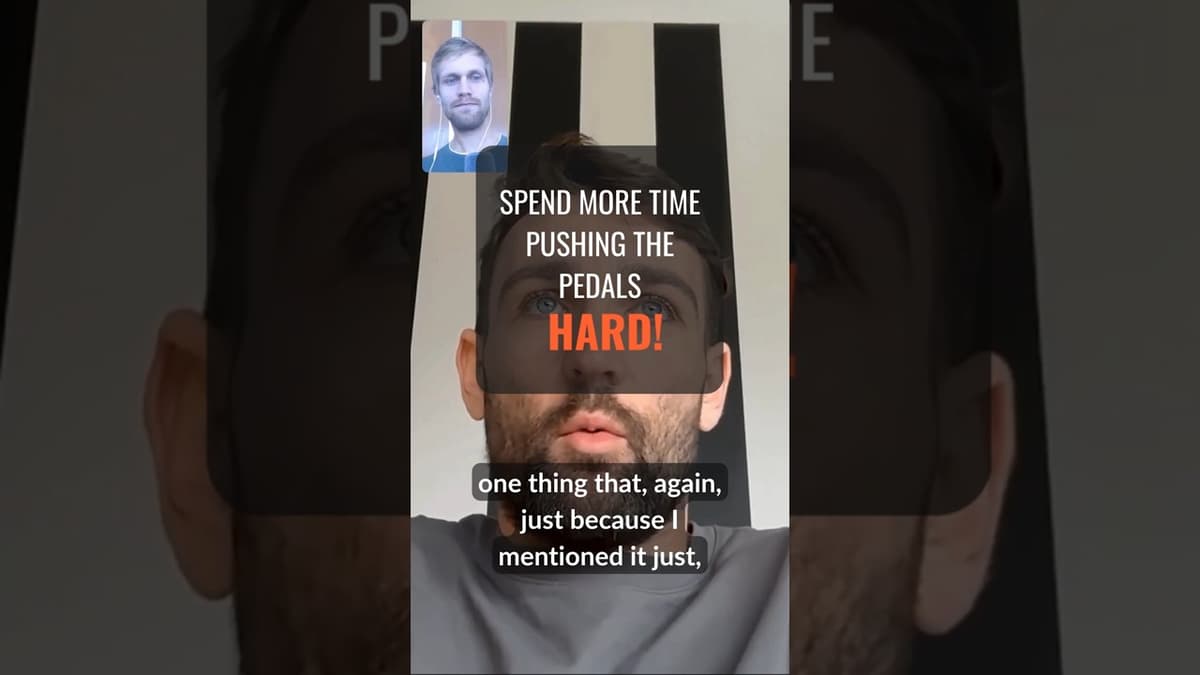
WorldTour Cycling Coach: "Spend More Time Pushing the Pedals Hard!" #triathlon #cycling #ironman
The coach argues that cyclists can extract substantially more physical work from a training session than runners, making the bike a strategic focus for triathletes seeking higher intensity without excessive injury risk. He notes that a hard 20‑minute run often equates...
The Ironman Training Deep Dive: What Triathletes Need to Know
The podcast episode dives into the fundamentals of training for a full Ironman, exploring who should consider the 140.6‑mile challenge and what baseline experience is essential. Hosts Michael Ericson and Jack Hutchkins emphasize that athletes need a solid triathlon background—ideally...
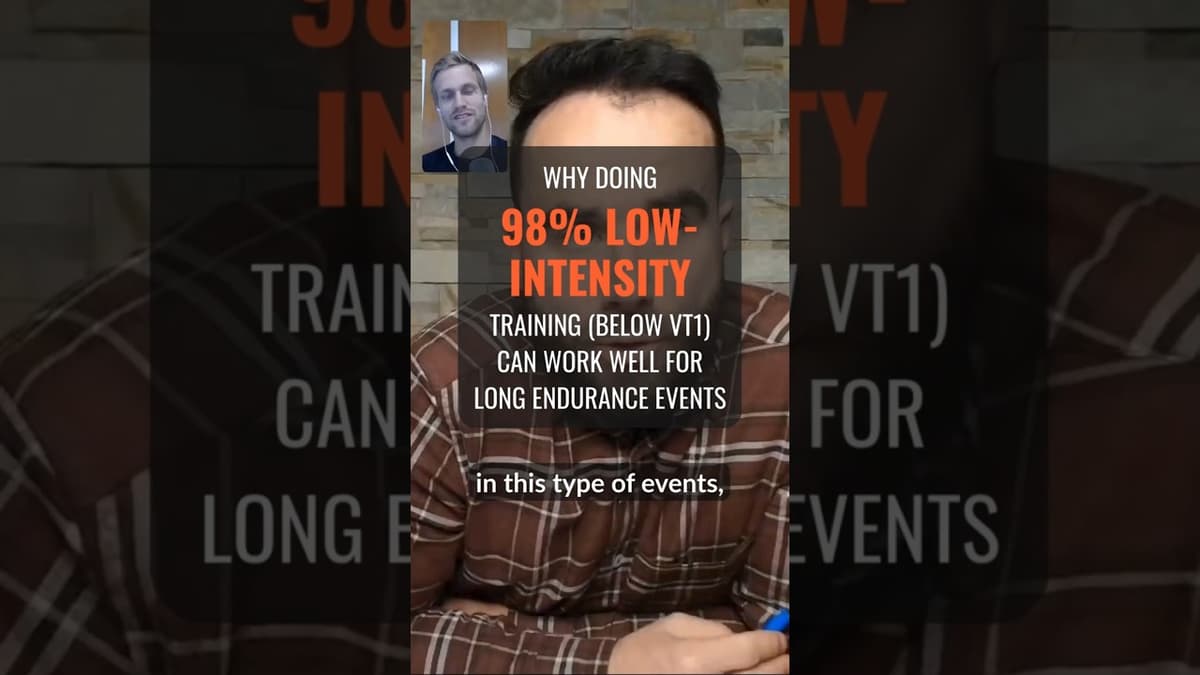
Why Doing 98% Low-Intensity Training (Below VT1) Works for Long Endurance Events #triathlon #cycling
The video argues that long‑distance athletes should base the bulk of their training—about 98%—at intensities below the first ventilatory threshold (VT1), reserving only roughly 2% for high‑intensity VO2max work. The presenter deliberately avoids threshold sessions, claiming they add little to...
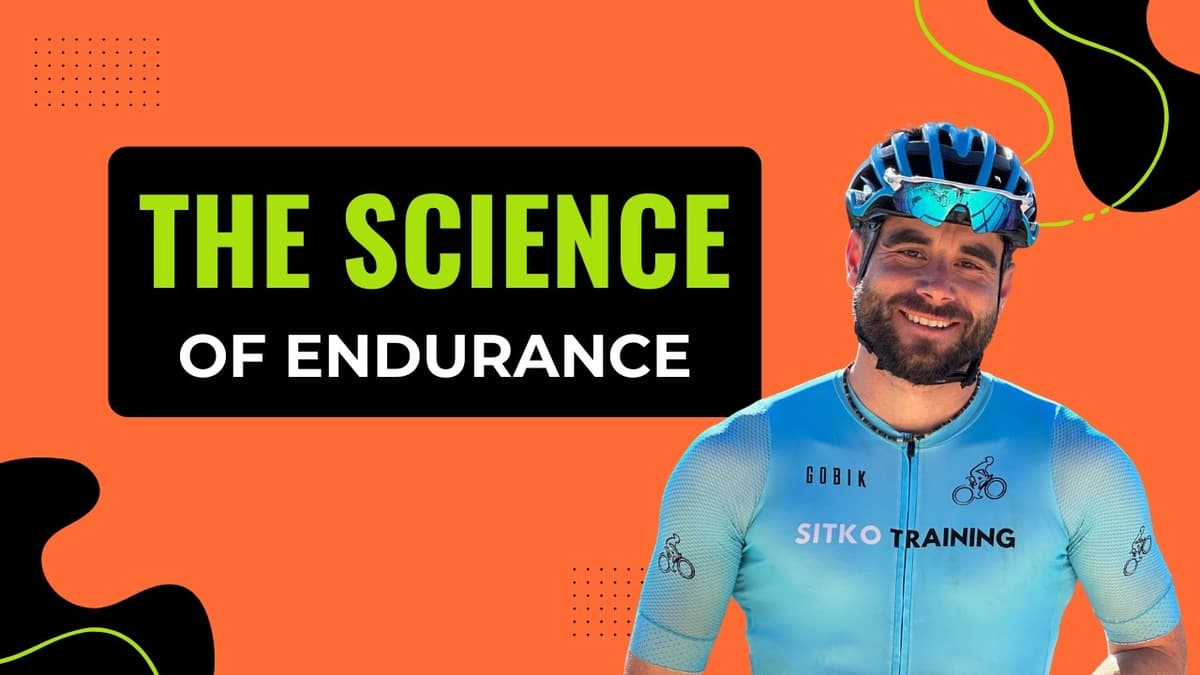
Evidence-Based Training for Cycling and Triathlon Performance
The podcast episode, hosted by Michael Ericson and featuring sport‑science professor Sebastian Sitko, explores how evidence‑based research can be translated into practical training for cyclists and triathletes. Sitko outlines his dual role as an academic and a coach, emphasizing the...
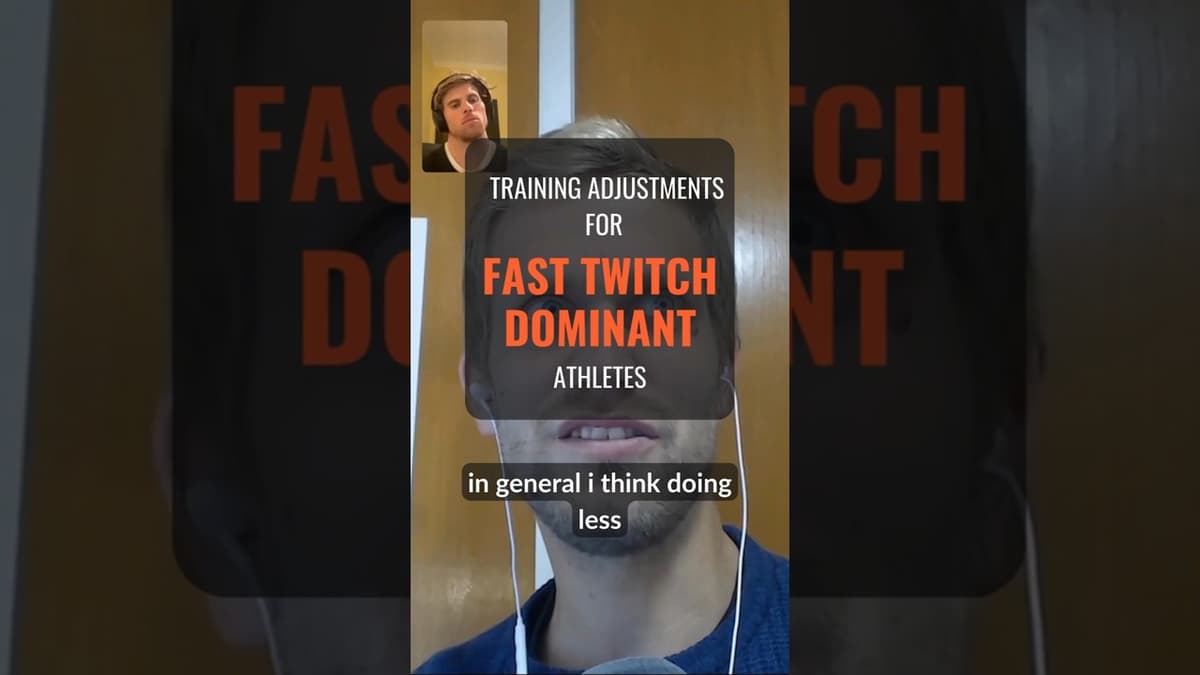
Training Adjustments For Fast Twitch Dominant Athletes #triathlon #triathlontraining
The video addresses how coaches should modify training plans for athletes whose physiology leans toward fast‑twitch muscle dominance, a common profile among competitive triathletes. It argues that these athletes accumulate fatigue more rapidly than their slow‑twitch counterparts, demanding a distinct...