
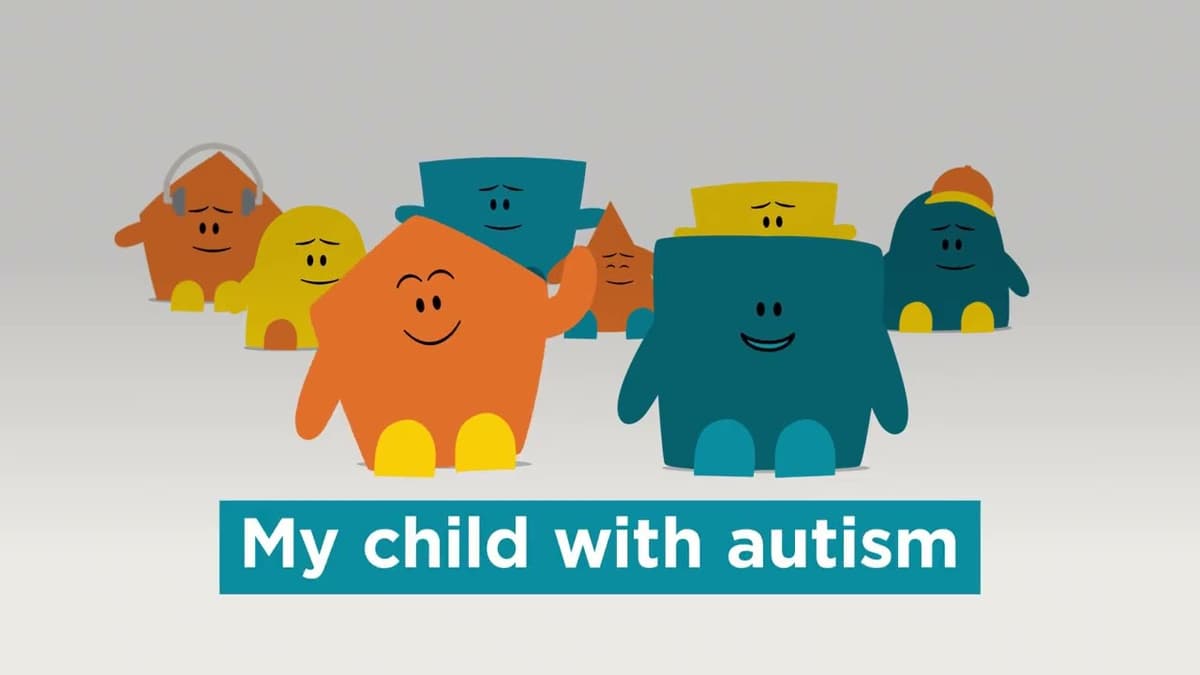
Autism Spectrum Disorder: Where Are You on the Spectrum?
The video from Seattle Children’s Hospital explains autism as a spectrum, emphasizing that it’s a range of characteristics rather than a simple line. It introduces a wheel model with colored slices representing different domains, and explains the three support levels (1‑3) used in medical diagnosis, plus language and intellectual impairment descriptors. Examples illustrate how a person may need substantial help making friends (level 1) versus needing very substantial support for daily tasks (level 3), and how support needs evolve from childhood to adulthood. Understanding autism’s multidimensional spectrum guides clinicians, educators, and families to tailor interventions, reduce stigma from “high/low‑functioning” labels, and improve resource allocation.

Fostering Health Equity
Dr. Jason Dean, professor of pediatrics and cardiology at UW, delivered a Grand Rounds lecture titled “Fostering Health Equity.” He framed the discussion around the urgent need to sustain equity initiatives while federal actions threaten longstanding protections for marginalized groups,...
The ANeW Model: Returning People with IDD & Complex Healthcare Needs to Communities of Their Choice
The April Grand Rounds presentation introduced the Adult Neurodevelopmental Wellness (ANeW) model, a collaborative effort led by Dr. Gary Stoby and the Institute on Human Development and Disability. The program targets adults with intellectual and developmental disabilities (IDD) who face...
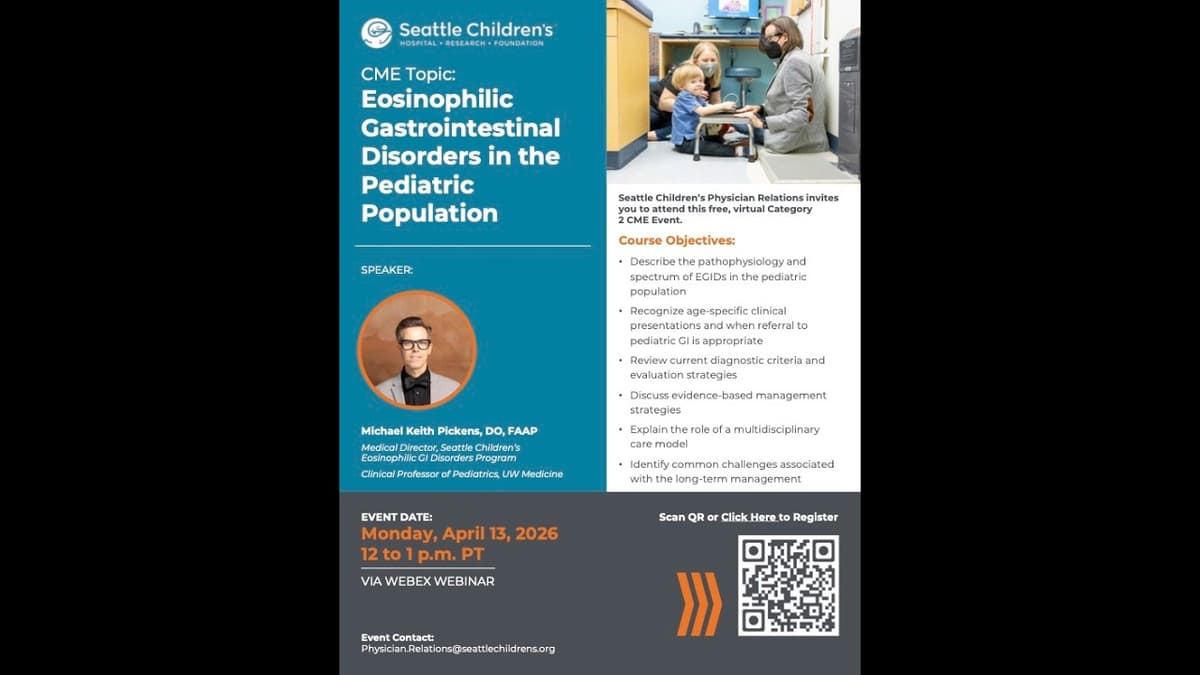
Eosinophilic Gastrointestinal Disorders in the Pediatric Population
Dr. Pickkins, a pediatric gastroenterology professor at Seattle Children’s, presented an overview of eosinophilic gastrointestinal disorders (EGIDs) in children, highlighting the launch of a dedicated EGID program at the hospital in August 2025. He emphasized that EGIDs are chronic immune‑mediated...

Family-Centered Care and the Provision of Early Childhood Services | Closing the Gap - Expert Panel
The expert panel on family‑centered care examined how early childhood services can better support parents, especially mothers, by recognizing hidden mental burdens and fostering equitable involvement of fathers. Moderators highlighted the need to move beyond traditional, siloed referrals toward collaborative,...

Supporting Dad: Reflections on Paternal Perinatal Mental Health | Nathan Friend
Nathan Friend, the dad specialist at Perinatal Support Washington, opened the session by describing his role on the state‑wide warmline and the weekly virtual dad support group. He framed the talk around his own journey—from delayed bonding after a difficult...

Social Determinants of Health: What Every Clinician Should Know | Michelle Noel, MSW, LICSW
The video features Michelle Noel, a social worker at Seattle Children’s Hospital, outlining the hospital’s Social Determinants of Health (SDOH) screening program. Since November 2021, the clinic has used iPad‑based questionnaires to assess families across five core domains—financial insecurity, food...

CRMO Family Conference 2026 | Part 1
The CRMO Family Conference 2026 kicked off with a warm welcome, orienting attendees to the Sandpoint Learning Center and emphasizing the dual goals of education and connection for families navigating chronic non‑bacterial osteomyelitis. Organizers highlighted the event’s hybrid format, drawing...

Where to Get an Autism Diagnostic Evaluation for Your Child
The video from Seattle Children’s Autism Center explains how Washington families can obtain an autism diagnostic evaluation and begin therapies even before a formal diagnosis. It outlines that children covered by Washington Apple Health Medicaid must be evaluated at a state‑approved...

Beyond the Handoff: Strengthening Transitions to Adult Health Systems for Youth with Med/MBH Needs
The Grand Rounds presentation by Dr. Tulaney of SickKids focused on the growing challenge of moving adolescents with complex physical and mental health conditions from pediatric to adult care. She highlighted that as survival improves, more youth face multimorbidity, rare...

Autism as a Medical Diagnosis
Seattle Children’s Hospital’s Autism Center explains that autism is classified under the DSM‑5 as a brain‑based developmental disorder, consolidating former labels such as Asperger’s and PDD into a single Autism Spectrum Disorder (ASD) diagnosis. The video outlines the official criteria,...

Washington Medical-Legal Partnership: Integrating Legal Services to Improve Pediatric Health Outcome
The video introduces the Washington Medical‑Legal Partnership (MLP), a collaborative model linking Seattle Children’s Hospital, Harborview Medical Center, and Odessa Brown Children’s Clinic with the Northwest Justice Project. The partnership aims to integrate legal expertise into pediatric care, addressing social...
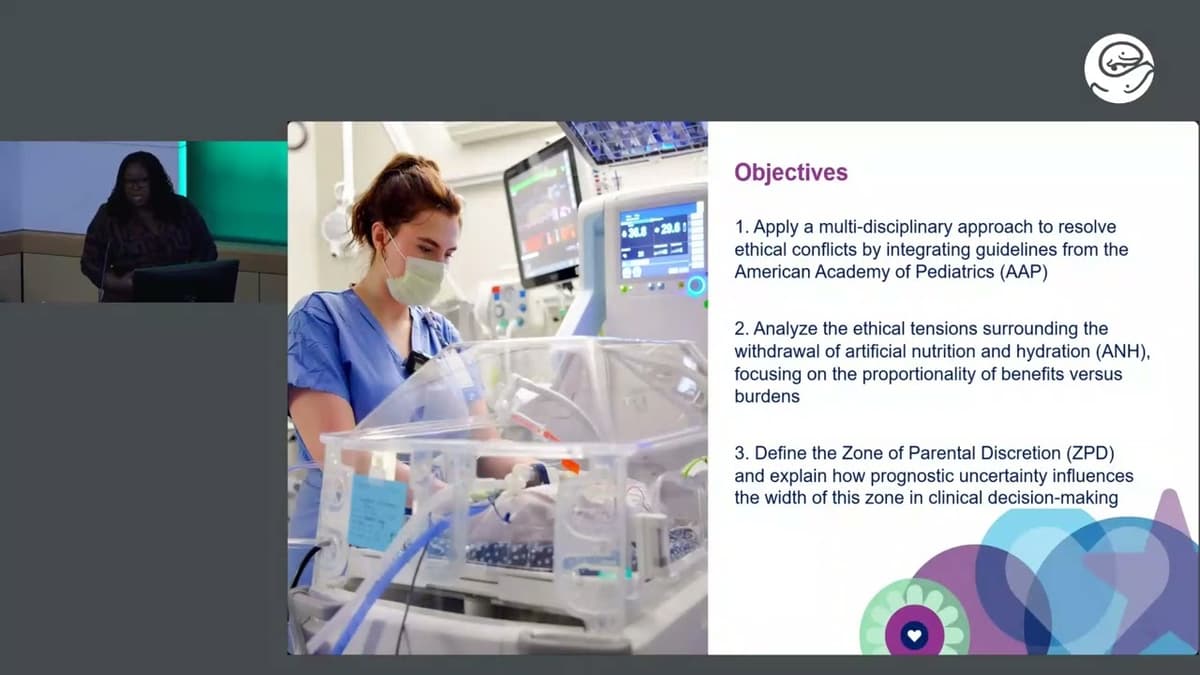
Benefits, Burdens, and Beliefs: The Ethics of Forgoing Pediatric Nutrition and Hydration
The ethics grand rounds examined the dilemma of withdrawing artificial nutrition and hydration in a pre‑term infant, Namir, who suffered severe hypoxic‑ischemic injury. Beth, his mother, after months of intensive care, requested redirection of treatment, prompting a formal ethics...