
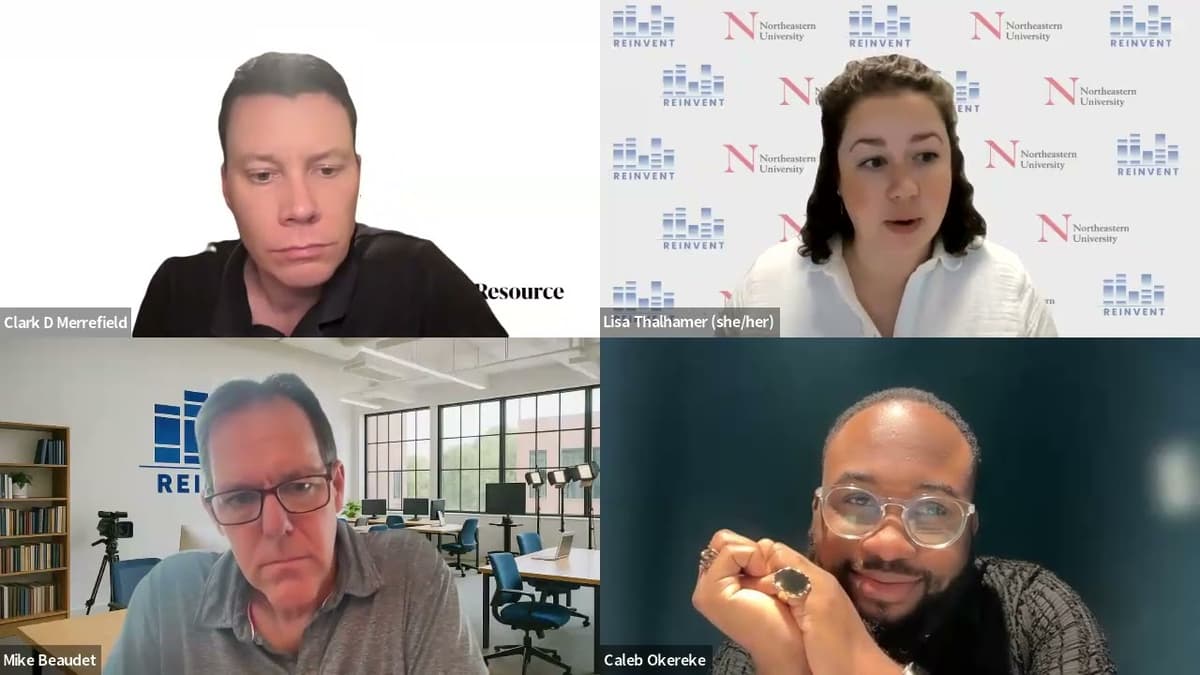
Redefining Local: How Young Americans Engage with Television News Across Platforms
The Harvard Kennedy School’s Shornstein Center presented findings from the Reinventing Local TV News project, which examined how Americans aged 18‑34 engage with local television news across digital platforms. Researchers embedded fellows in newsrooms in New York, Chicago and Boston, surveyed over a thousand young adults, and analyzed consumption habits, platform preferences, and trust metrics. Key insights reveal that mobile devices are the primary gateway to local news, with only 27% of respondents still watching on traditional TV. Social platforms—YouTube, Instagram, TikTok—rank high in weekly news diets, and 94% of viewers seek additional information after watching a local news clip on social media, indicating that social video serves as an entry point rather than a dead end. Trust remains a strong asset: local news anchors are viewed as more reliable than influencers or podcasters. Notable quotes underscore the shift: a participant noted, “We just want it on our phones immediately, served on a platter,” while a veteran reporter emphasized, “Local TV news is powerful, but we must prioritize digital content.” Data also showed that 82% of local‑TV‑app users feel a stronger community connection, and that vertical video formats are now essential for platforms like TikTok and Instagram Shorts. The implications are clear for broadcasters: to retain relevance, they must invest in platform‑specific production, embrace vertical video, and leverage trusted anchors to drive deeper engagement. Aligning distribution with where young audiences spend time—mobile and social—will be critical for sustaining local news’s role in community cohesion and advertising revenue.
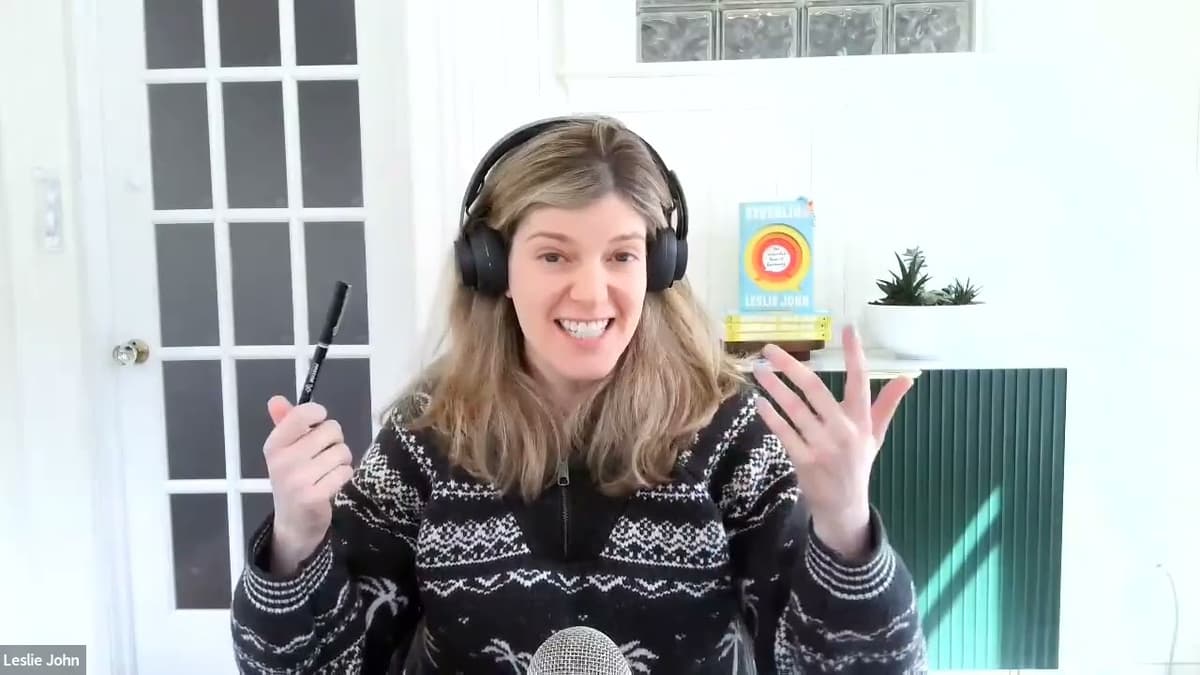
Revealing: The Underrated Power of Oversharing
The Harvard Behavior Insight Group hosted a conversation around Leslie John’s new book, Revealing: The Underrated Power of Oversharing. John, a Harvard Business School professor, reframed her original focus on the dangers of oversharing to explore the hidden costs of...
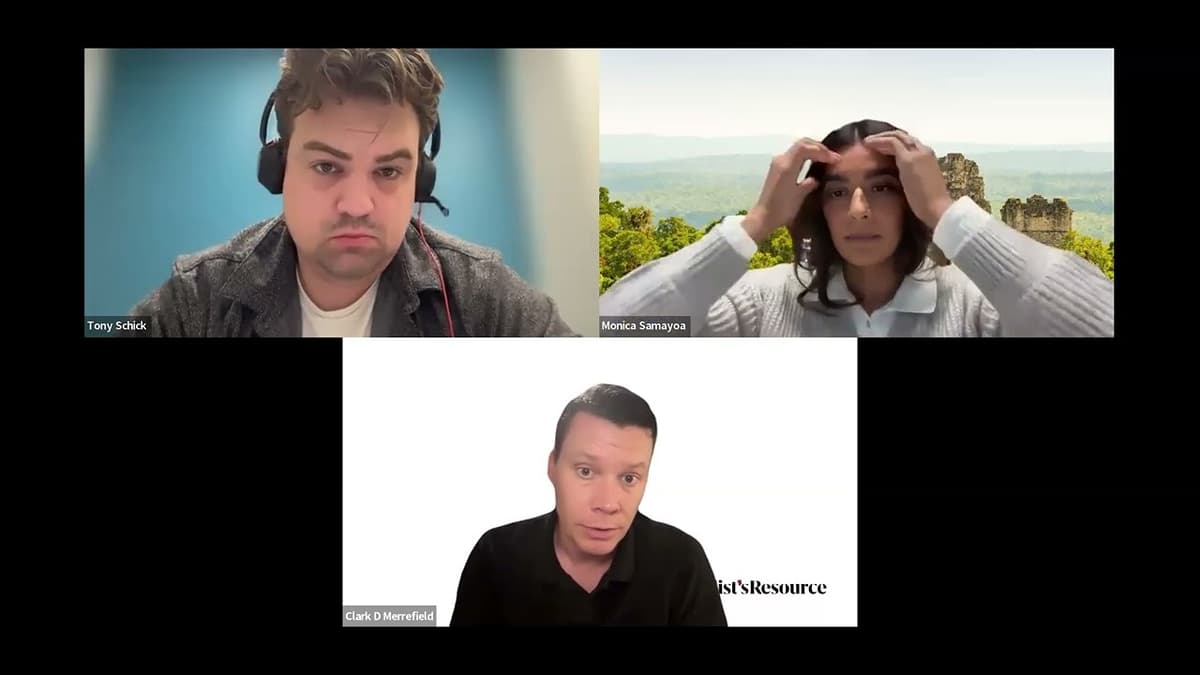
The 2026 Goldsmith Award Winners: How They Did It with Tony Schick and Monica Samayoa of OPB
The Shorenstein Center’s Goldsmith Prize winners, Tony Schick and Monica Samayoa of Oregon Public Broadcasting, were honored for their investigative series “Power Struggle.” The series probes why the Pacific Northwest, long touted as a green‑energy leader, ranks near the...
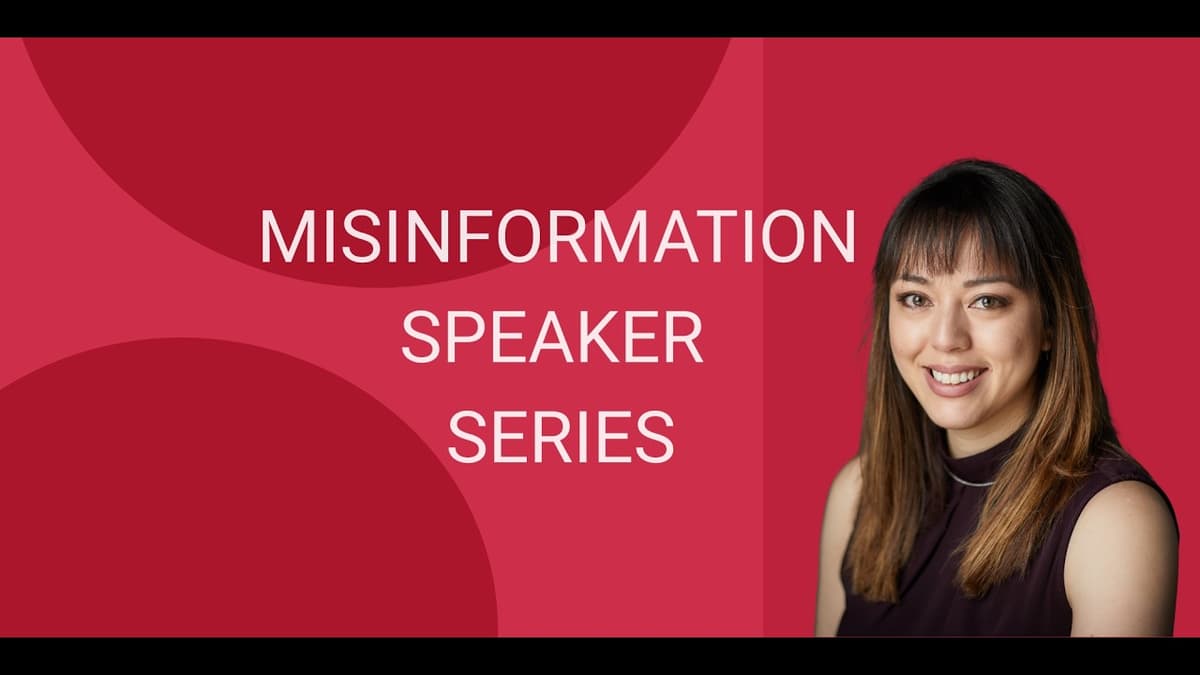
Disinformation Without Deception: Russian Narratives in West Africa
The final installment of Harvard’s misinformation speaker series featured Dr. Samantha Bradshaw, a technology‑security scholar, who examined how Russian strategic narratives are resonating with audiences in West Africa. Bradshaw framed the research as a response to a gap in...

Inside the CFPB: An Open Data Demo for Journalists
The session titled “Inside the CFPB: An Open Data Demo for Journalists” featured Erie Mayer, the bureau’s first chief technologist, and ProPublica data reporter Joel Jacobs. They walked journalists through the Consumer Financial Protection Bureau’s (CFPB) publicly available datasets, emphasizing...
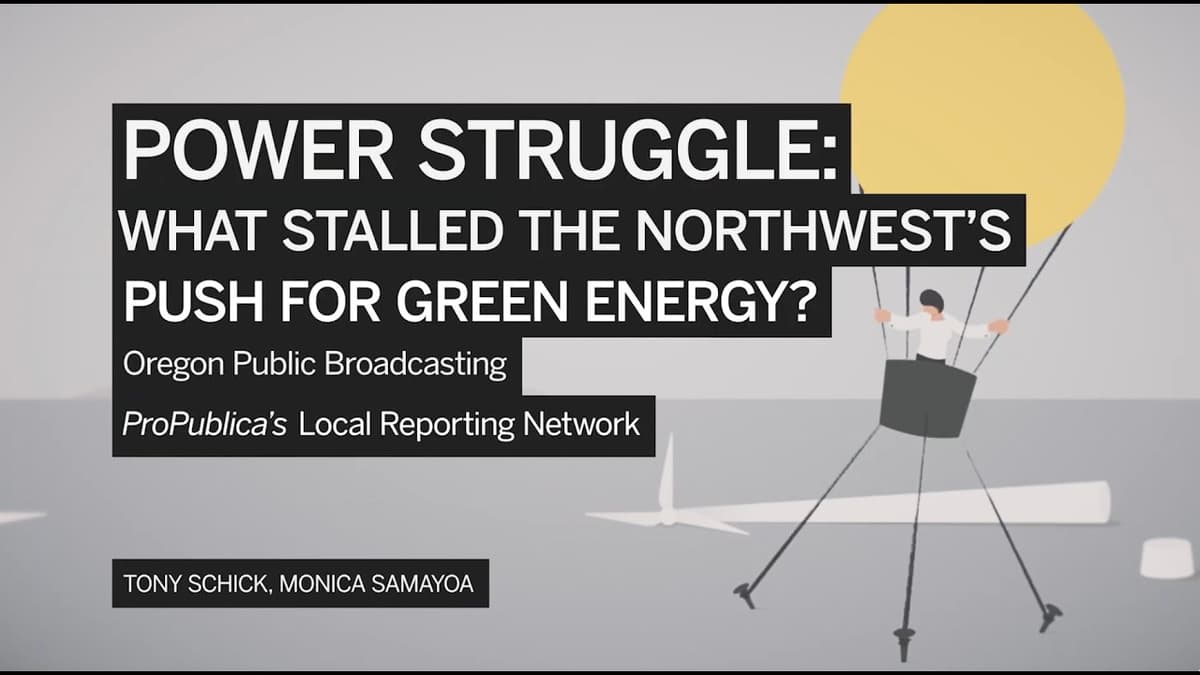
2026 Goldsmith Explanatory Prize Winner: Power Struggle
The Goldsmith Explanatory Prize‑winning series “Power Struggle” examines why Texas, a state without any renewable‑energy mandates, has built far more wind and solar capacity than the supposedly progressive Pacific Northwest. The reporting shows that Washington and Oregon, both legislated to reach...
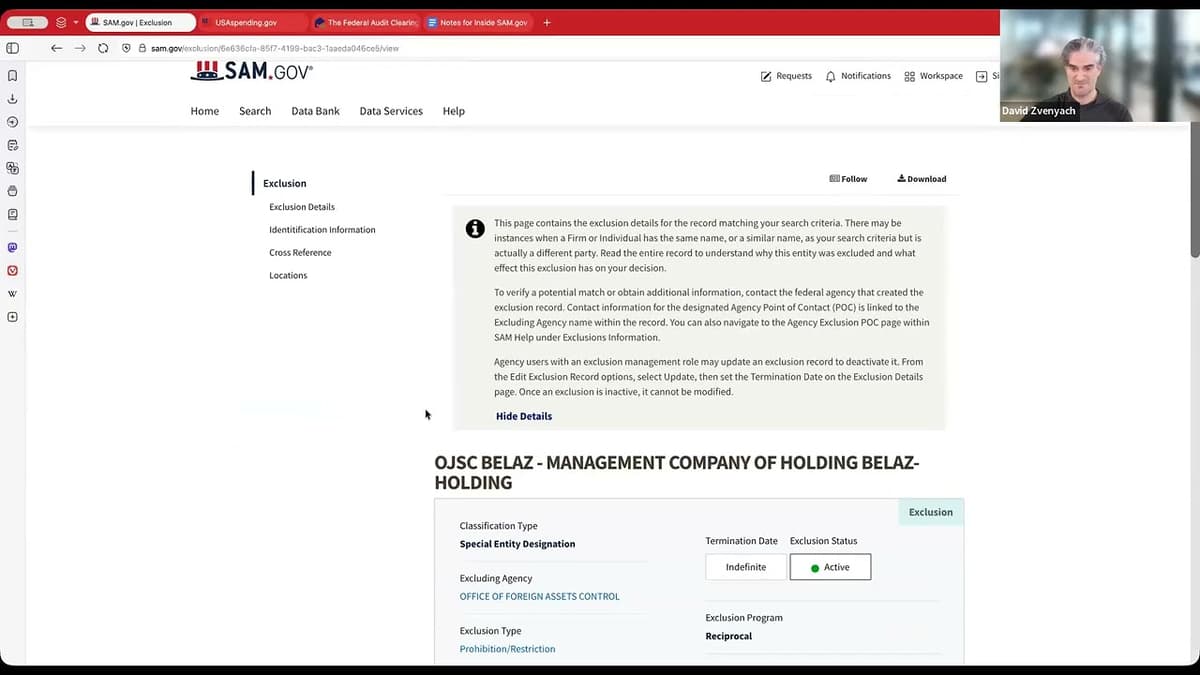
Inside SAM.gov: An Open Data Demo for Journalists
The webinar walked journalists through SAM.gov, the federal System for Award Management, showing how the platform catalogs contracts, grants and the entities that receive them. After a brief intro to the presenter’s background, the demo focused on the searchable entity...

How to Access Decades of U.S. Public Opinion Polls Through Roper iPoll (Session 2 of 2, 3/4/26)
The second session of the Roper iPoll webinar introduced a free, one‑year membership aimed at small news outlets and independent journalists, allowing them to tap into the Roper Center’s vast public‑opinion archive. The archive holds roughly 915,000 U.S. poll questions from...