Sixty Symbols
Collaborative channel with University of Nottingham physicists, presenting a wide range of physics topics – from quantum phenomena to astronomy – in a conversational, expert‑led format that brings real research insights to the public ([www.nottingham.ac.uk](https://www.nottingham.ac.uk/physics/research/sixty-symbols/index.aspx#:~:text=Sixty%20Symbols%20is%20a%20YouTube,tool%20in%20schools%20and%20colleges)).
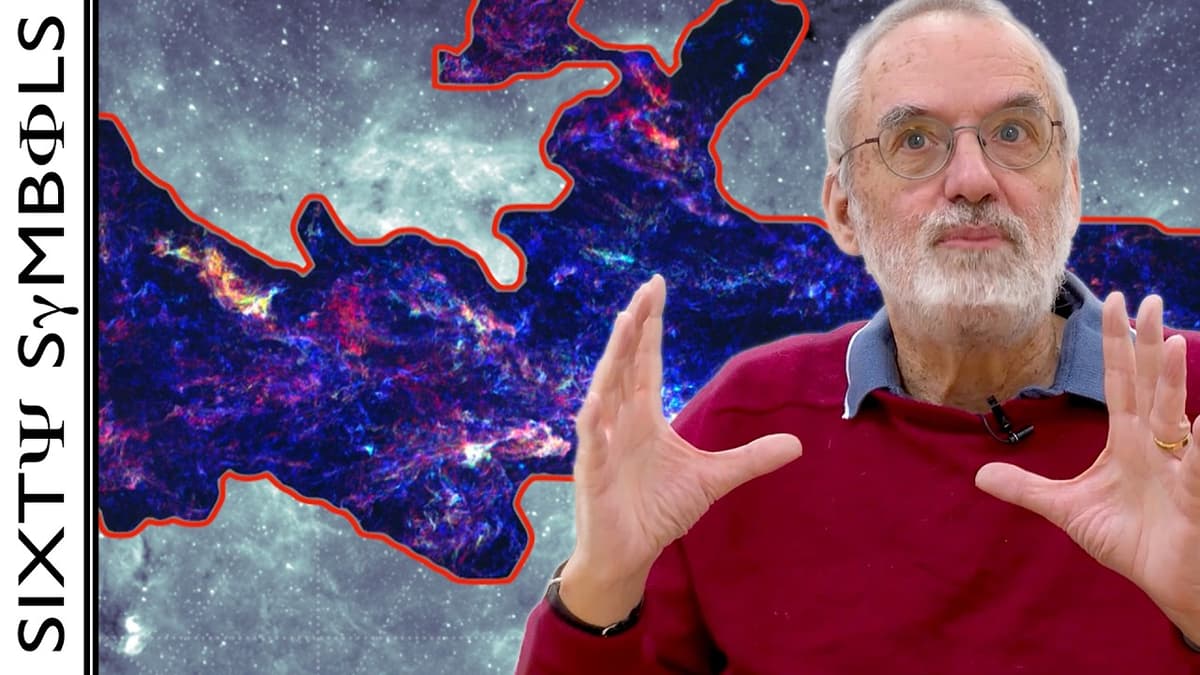
The Central Molecular Zone - Sixty Symbols
The video introduces the ALMA Central Molecular Zone Exploration Survey (ACES), an ambitious project that uses the Atacama Large Millimeter/submillimeter Array to produce three‑dimensional spectral cubes of the Milky Way’s central region. By scanning millimeter‑wave emission lines, the survey captures both where gas lies on the sky and the precise wavelengths it emits, allowing astronomers to identify individual molecules and measure their motions. Key findings highlighted include the detection of several common interstellar species—HNCO (isocyanic acid), CS, and HC3N—mapped across the Galactic Center. The intensity of each emission line reveals both the column density of the molecule and, through line‑ratio diagnostics, the temperature and density of the surrounding gas. Velocity shifts in the lines provide a detailed kinematic picture of gas inflow, outflow, and turbulence near the supermassive black hole. Professor Murfield emphasizes the “beautiful” nature of the data, noting that HNCO forms on dust‑grain surfaces and is liberated by shock waves, yet is quickly destroyed by intense ultraviolet radiation. This nuanced chemistry explains why the molecule appears in some dark, dusty clouds but not in others, illustrating the complex interplay of grain chemistry, energetic events, and radiation fields. The survey’s raw data will eventually become public, offering a rich resource for the community. Although the dataset’s size and spectral complexity pose analysis challenges, it opens the door for unforeseen discoveries—much like archival Hubble images that later revealed new moons—by researchers applying fresh techniques or focusing on overlooked spectral features.
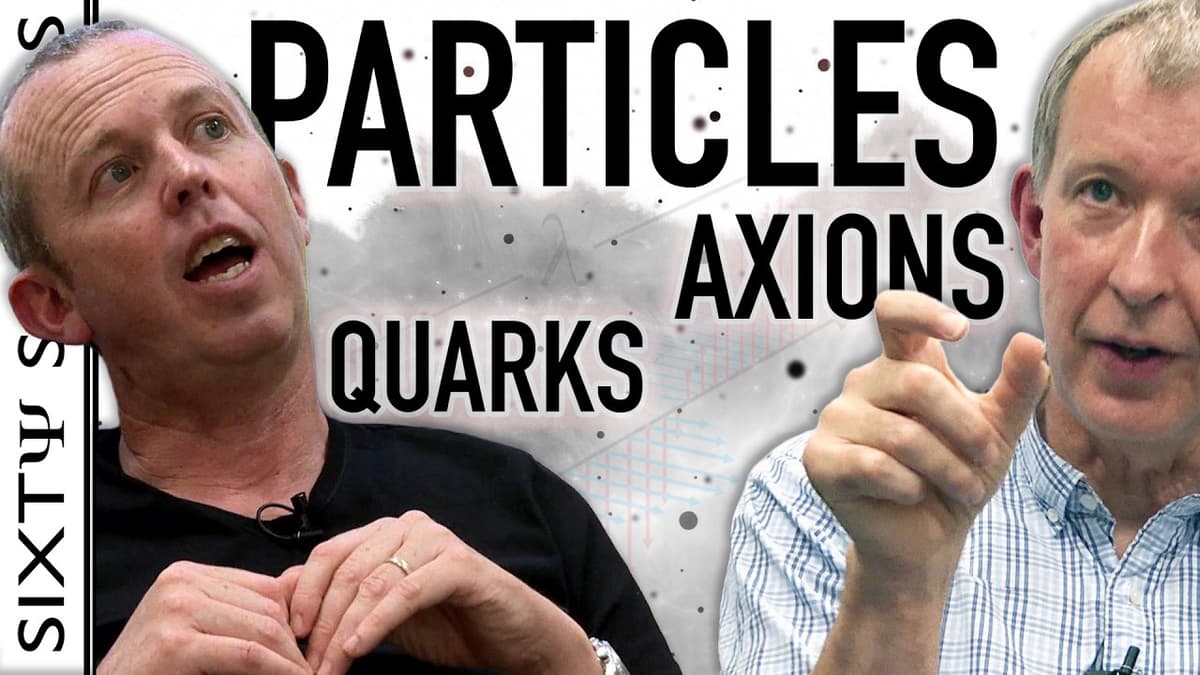
Quarks, Axions and Other Particles - Sixty Symbols
The video explores the possibility of undiscovered physics in the vast gap between the size of a proton and the Planck length, focusing on candidate particles that could fill this window. It highlights how theories such as extra‑dimensional models, cosmic...
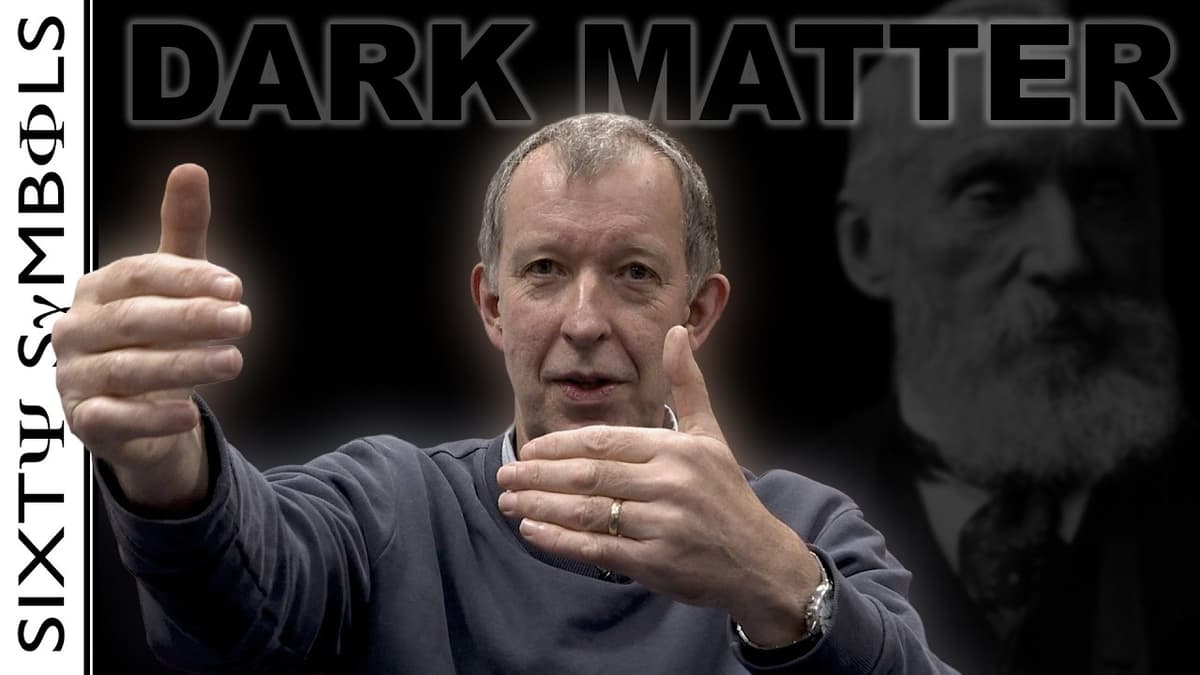
Talking About Dark Matter - Sixty Symbols
The video explores a little‑known chapter in astrophysics: Lord Kelvin’s 1901‑1904 proposal that the Milky Way contains invisible mass to explain the high velocities of its stars. The discussion, sparked by a conversation with LIGO mirror expert Sir James Hough,...
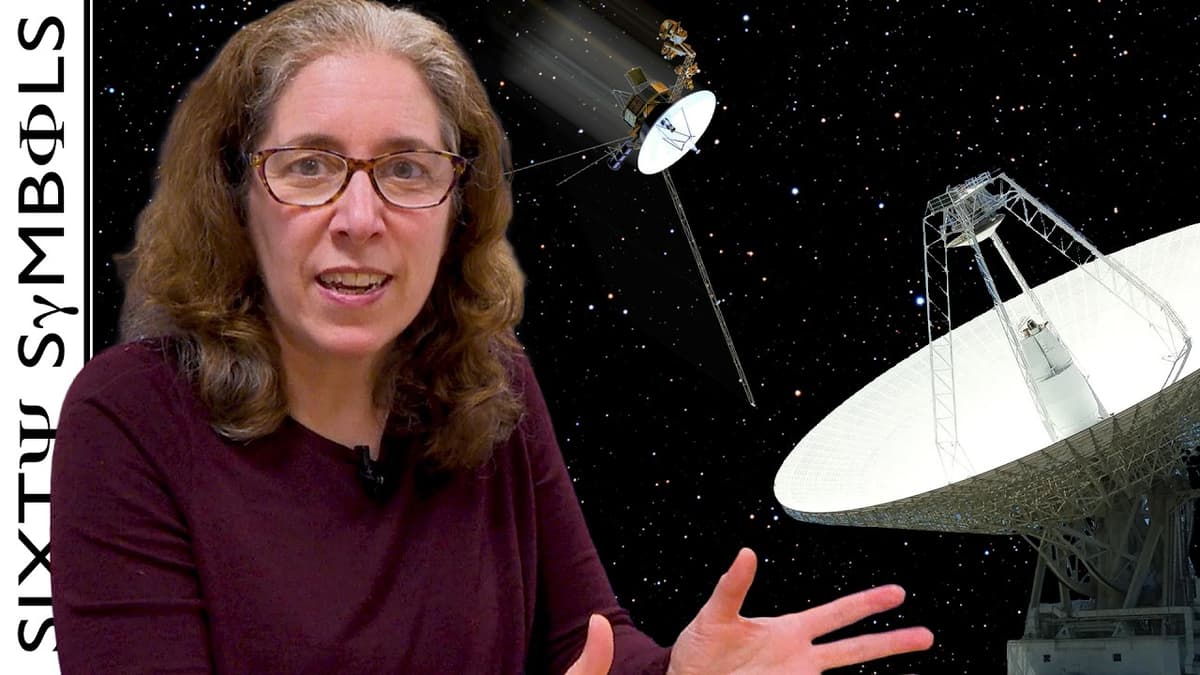
How to Talk with Deep Space Probes - Sixty Symbols
The video explains how NASA’s Deep Space Network (DSN) enables two‑way communication with spacecraft across the solar system. Three strategically placed 70‑meter dishes in California, Spain and Canberra provide near‑continuous line‑of‑sight coverage, supplemented by arrays of smaller antennas that can...
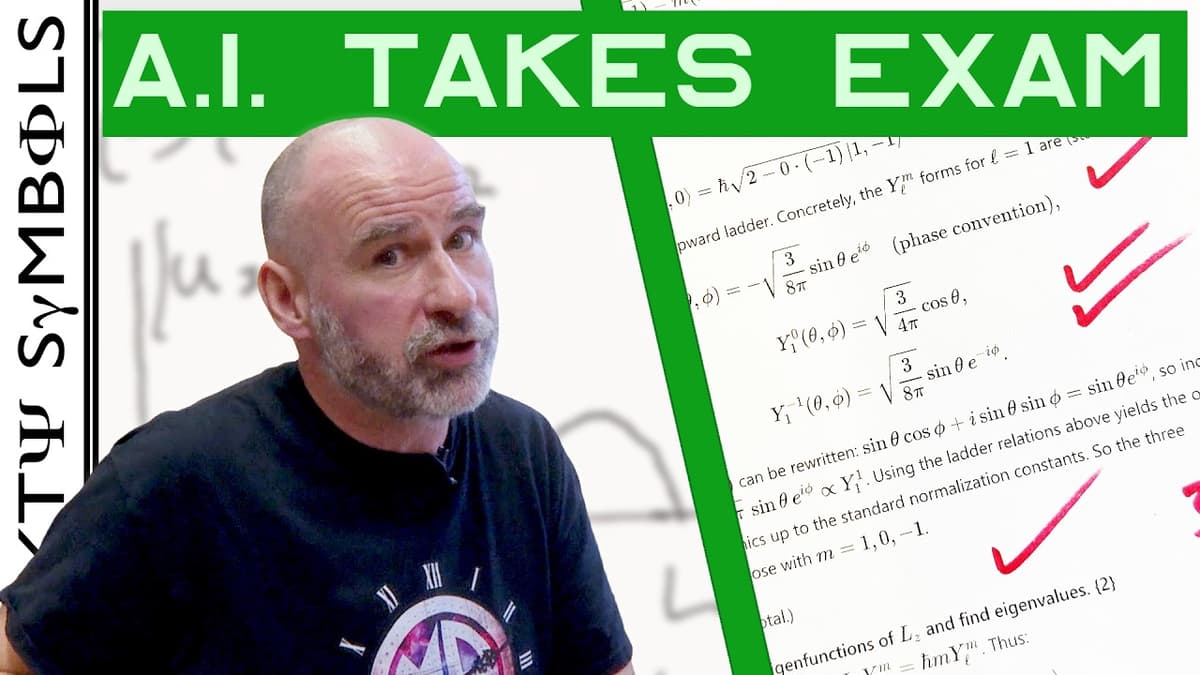
Marking Exam Done by A.I. - Sixty Symbols
The video documents a live experiment in which the hosts upload a second‑year undergraduate quantum mechanics exam into ChatGPT and ask the model to answer as a student would. They then mark the AI‑generated responses using the official solution key,...