
#47 When Fast Tech Meets Slow Buildings!
The podcast explores the growing tension between lightning‑fast digital technologies—AI, cyber‑security, cloud services—and the inherently slow, multi‑decade lifecycle of commercial real‑estate assets. Hosts Rick Hubrits and Rob Murchison argue that while tech evolves weekly, building design, financing, and operations still span years, creating a structural speed mismatch. Key insights include the chronic fragmentation of building data, from inconsistent square‑footage definitions to siloed systems that rarely communicate. Rick describes a three‑ring model—public portfolio claims, recorded asset data, and the operational truth—highlighting how imperfect inputs cripple AI outputs. Cultural inertia, entrenched stakeholder business models, and a lack of shared terminology further widen the gap. Notable examples illustrate the problem: the confusion over gross versus usable square footage that skews investment decisions, and the “gorilla fighting IT and HVAC” metaphor that underscores the historic clash between facilities and technology teams. Rick’s 30‑year retrospective on BIM evolving into digital twins shows that despite new tools, the underlying challenges persist. The discussion concludes that bridging the divide requires cross‑functional governance, hiring data‑savvy talent, and adopting incremental, problem‑first AI pilots rather than sweeping, hype‑driven projects. By aligning technology roadmaps with the long‑term stability goals of real‑estate owners, the industry can unlock efficiency gains, lower energy costs, and new revenue streams.
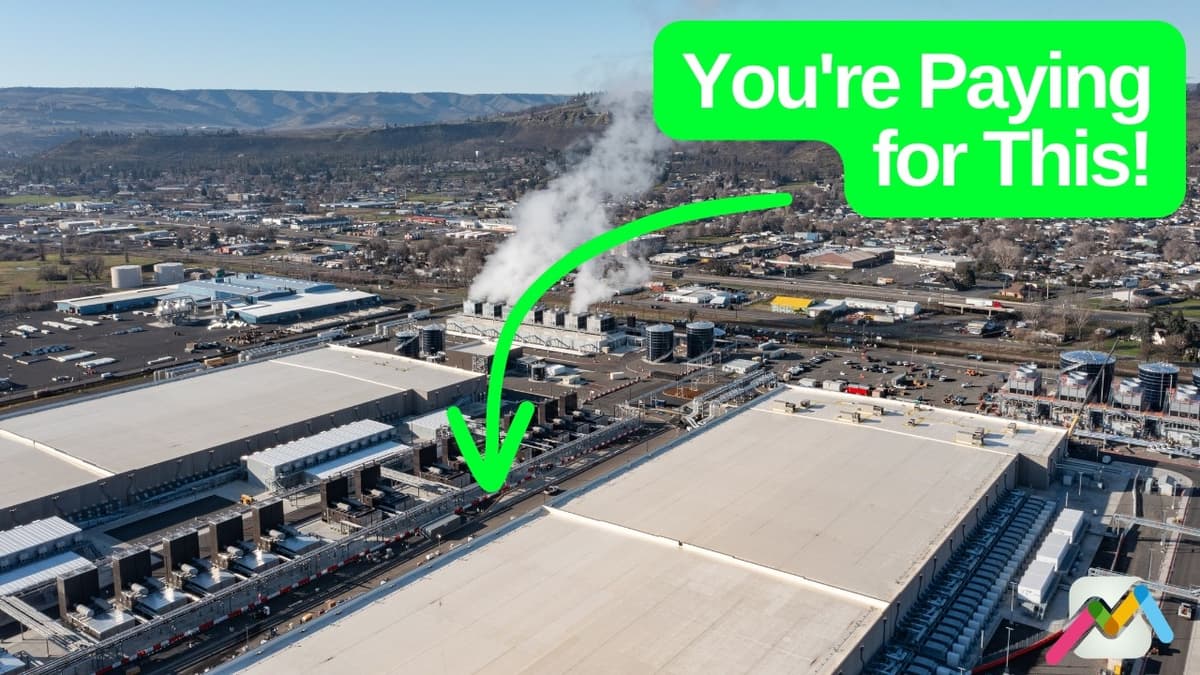
AI Is Eating the Grid... And You're Paying For It
The video warns that AI‑driven data centers are turning electricity grids into bottlenecks, with a single facility now using as much power as a small city and the sector’s demand outpacing supply. It cites IEA’s projection of 1,100 TWh global data‑center use...
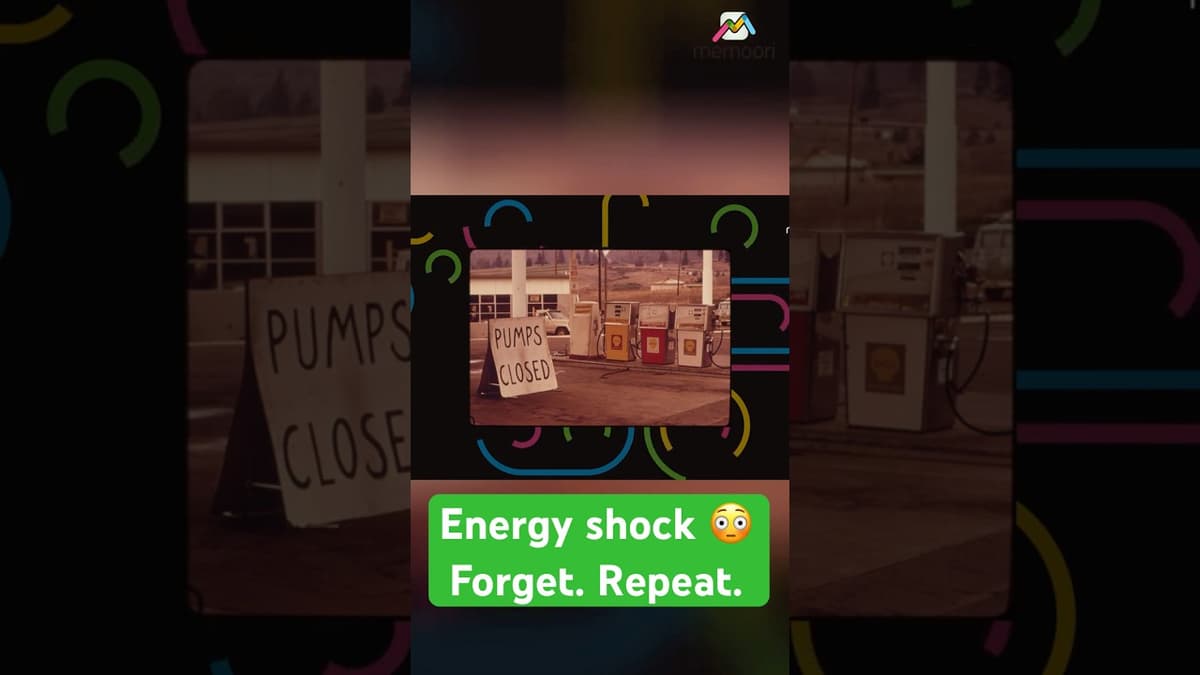
1973 to 2026: Same Energy Panic, Same Old Mistakes #energycrisis #energysecurity #geopolitics
The video traces five major energy crises—from the 1973 OPEC embargo to a 2026 Hormuz tension—showing how each shock ignites panic, price spikes and a rush for emergency policy fixes. In 1973 oil prices quadrupled, prompting France to launch an ambitious...

More Roads, More Traffic? US Spends Billions, STILL Congested! #usa #traffic #smartcity #highway
The video highlights the paradox of U.S. transportation policy: despite spending billions on expanding highways and bridges, traffic congestion continues to worsen across major metropolitan areas. In fiscal year 2024, state governments allocated roughly $247 billion—about 8 % of all state spending—to road...

Stop Widening Highways! See How Paris Beat Traffic With Bikes. #paris #traffic #cycling #seoul
The video argues that expanding road capacity is a false solution, highlighting Paris’s transformation under Mayor Anne Hidalgo, which has replaced car‑centric streets with a dense network of bike routes. Since 2015 the city has added more than 1,000 km of...
#46 Smart Building ROI Is a Risk Management Problem, Not a Tech Problem
Smart building investments often underperform not because the technology fails, but due to missing governance and risk‑management frameworks. As building portfolios become more connected, owners inherit cybersecurity exposure, vendor sprawl, and reliability gaps that traditional IT has long managed. The...
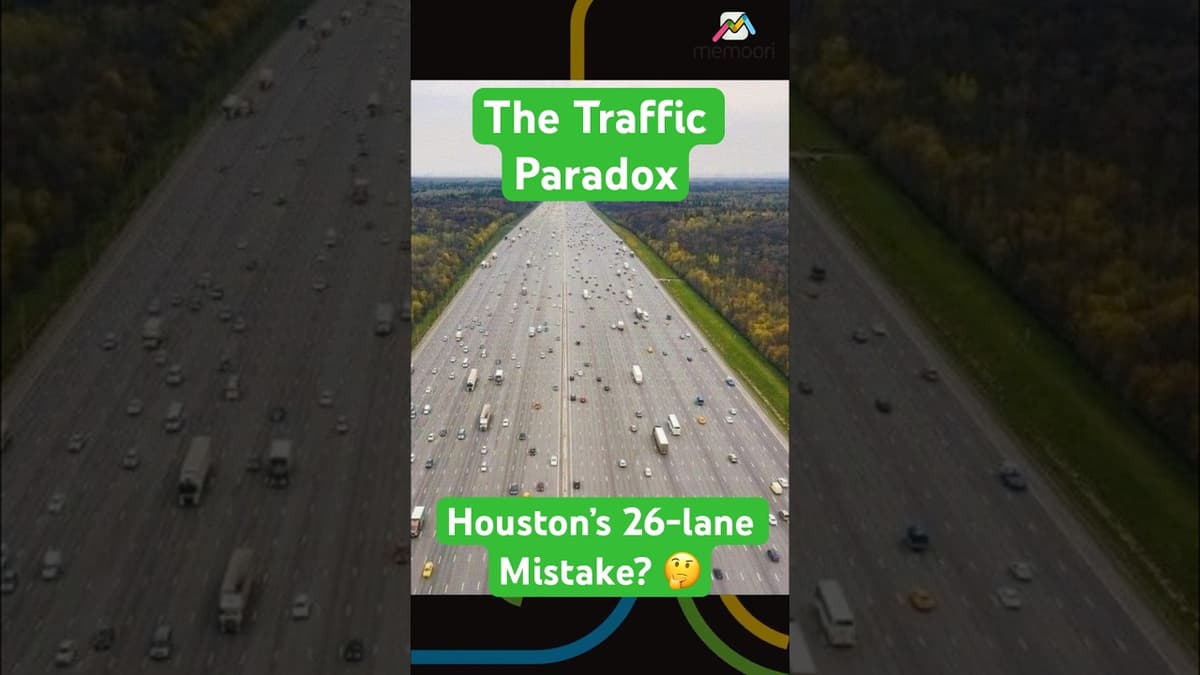
Why Building MORE Roads Makes Traffic WORSE? #traffic #houston #texas #lanes
The video examines the paradox of the Katy Freeway expansion in Houston, Texas, where a $2.8 billion project added lanes to create a 26‑lane thoroughfare, yet traffic congestion worsened. Data show that within three years morning commutes grew 30 % and afternoon...

What if the Solution to Traffic... Is Actually Causing It?!
The video argues that widening highways, exemplified by Houston’s 26‑lane Katy Freeway, often exacerbates rather than eases congestion. After a $2.8 billion expansion completed in 2011, morning commutes grew 30 % and afternoons 55 %, turning the freeway into the state’s most clogged...

Give Your AI a Smart Building Analyst Brain
Memoori unveiled a new suite that links AI assistants such as Claude, ChatGPT and Cursor directly to its 15‑plus years of independent smart‑building research. Through the MCP Server, REST API and AIM chatbot, users can query market sizing, vendor rankings...

#45 Inside the Mind of an Asset Manager
The episode features former asset manager Lachlan Macquarrie discussing why commercial‑real‑estate technology projects often stall. He highlights misaligned incentives among asset managers, property managers and vendors, and how perceived risk outweighs actual risk. The conversation reveals that owners lack not solutions...