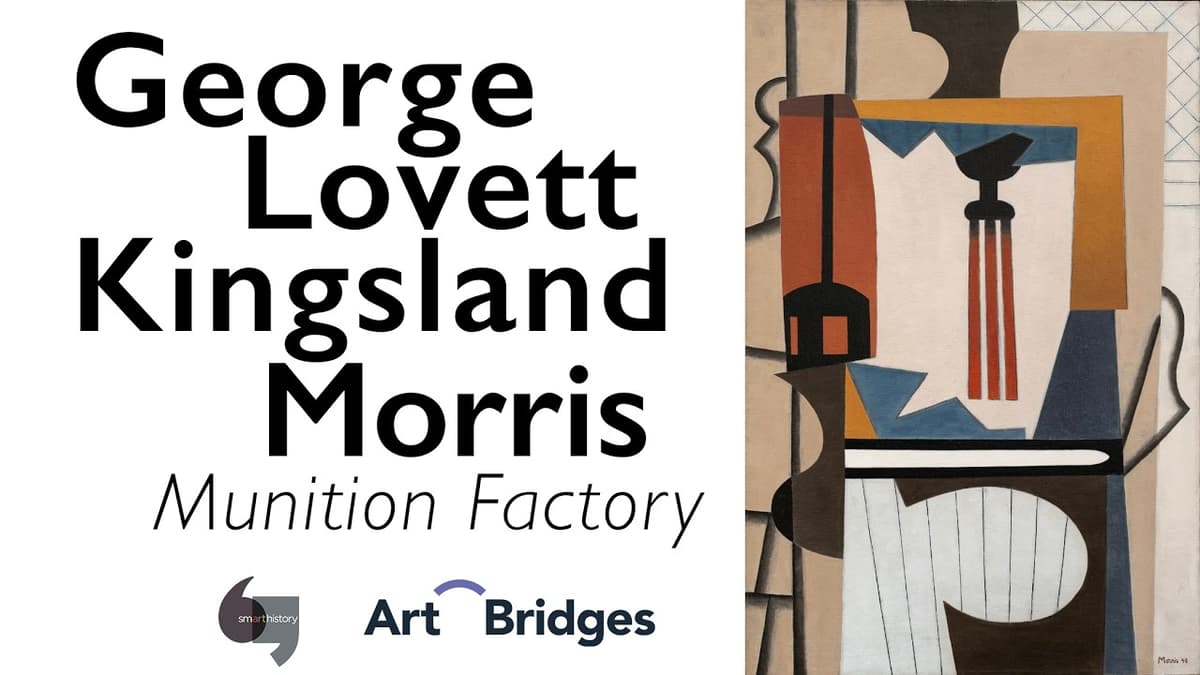
George Lovett Kingsland Morris, Munition Factory
The video examines George Lovett Kingsland Morris’s 1943 painting “Munition Factory,” created amid World War II. Though a relatively small canvas, it epitomizes Morris’s decades‑long commitment to synthetic cubism, drawing on the visual vocabularies of Braque, Picasso, Léger, Delaunay, Arp, and even Le Corbusier’s architectural purity. The analysis highlights the painting’s flat, rectilinear forms—interlocking squares, rectangles, and transparent layers—that stack to suggest volume while preserving a deliberate flatness. A black silhouette hints at a human head, while criss‑crossed lines evoke windows, fences, or floorboards, creating a visual tension between figurative suggestion and abstract industrial geometry. Narrator notes that the title “Munition Factory” reframes the abstract composition as a distillation of wartime machinery—chimney stacks, gun‑barrel striations, molten rods—yet these elements remain purely pictorial. Morris’s background as a Partisan Review editor and art theorist informs this synthesis, reflecting his deep engagement with cubist theory and his personal connections to European avant‑garde masters. The painting illustrates how abstract art can comment on contemporary realities, merging aesthetic experimentation with the era’s industrial urgency. Morris’s multifaceted career—as painter, patron, critic, and historian—underscores the cross‑disciplinary influence that shaped mid‑century American modernism.
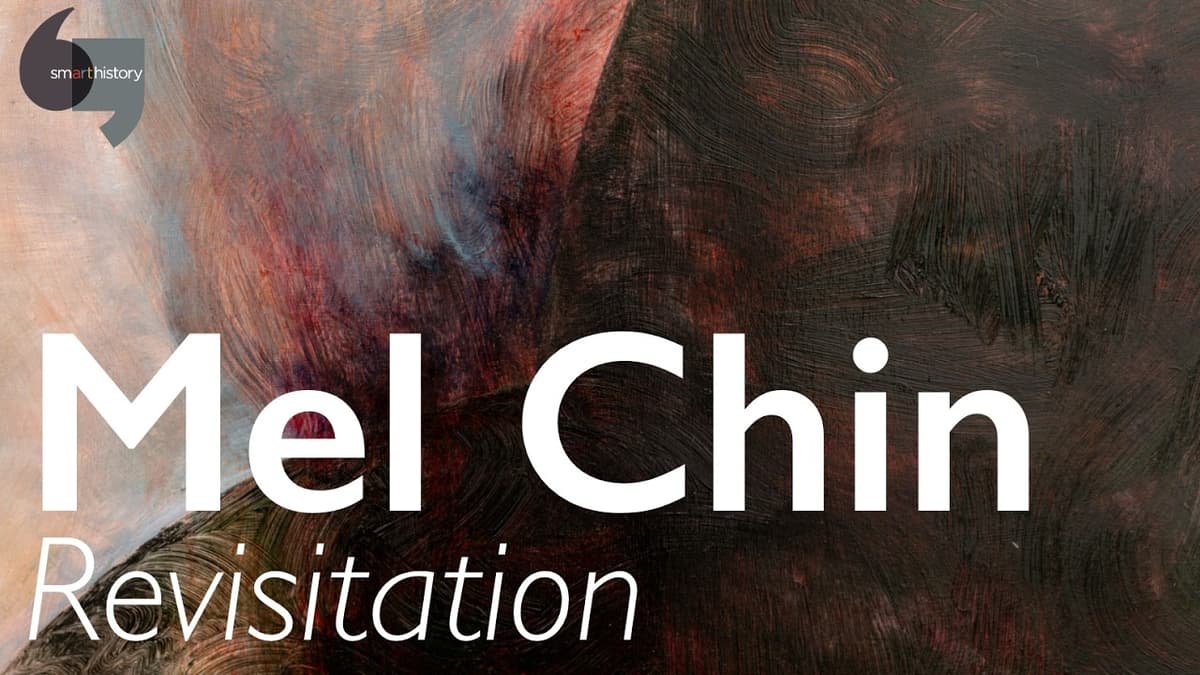
Mel Chin, Revisitation
The video examines Mel Chin’s four‑panel installation Revisitation, a monumental work that reunites a 1980s Gulf Coast memory with the aftermath of the 2010 Deepwater Horizon oil spill. Displayed in the Art Bridges Foundation, the canvases are arranged across three...
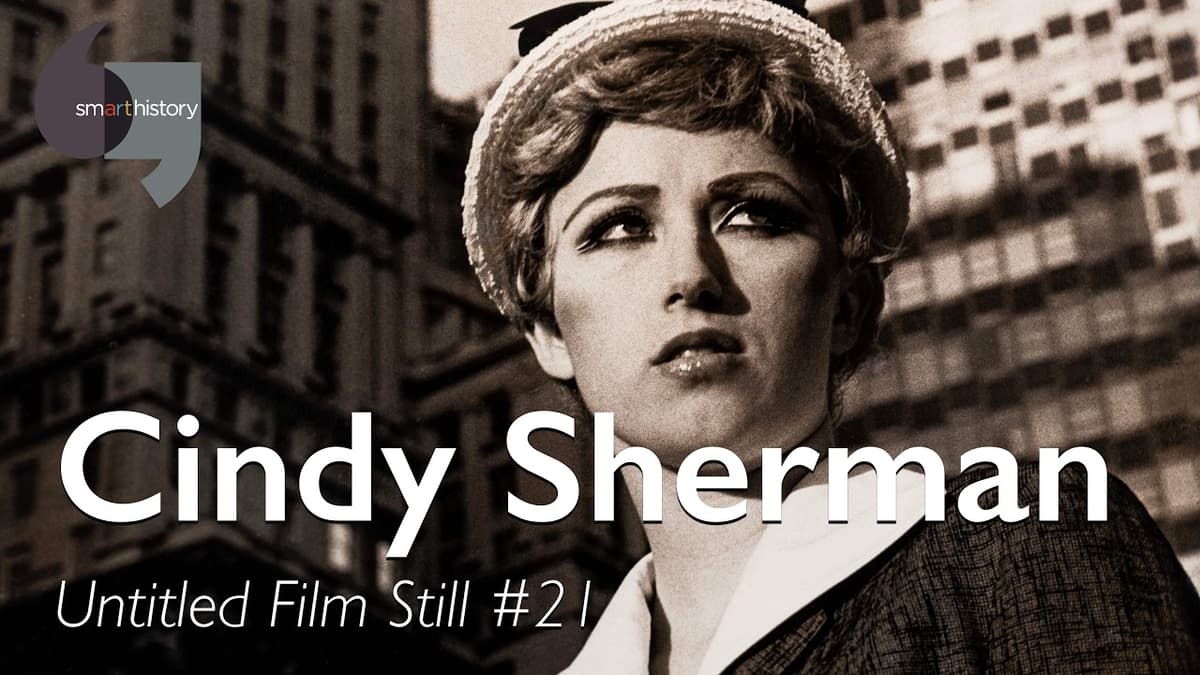
Cindy Sherman, Untitled Film Still #21
Cindy Sherman’s “Untitled Film Still #21” is part of her seminal 1977‑78 series that recreates mid‑century movie publicity stills. By dressing herself in period wigs, makeup and costumes, Sherman stages a self‑portrait that looks like a discarded film frame, inviting...
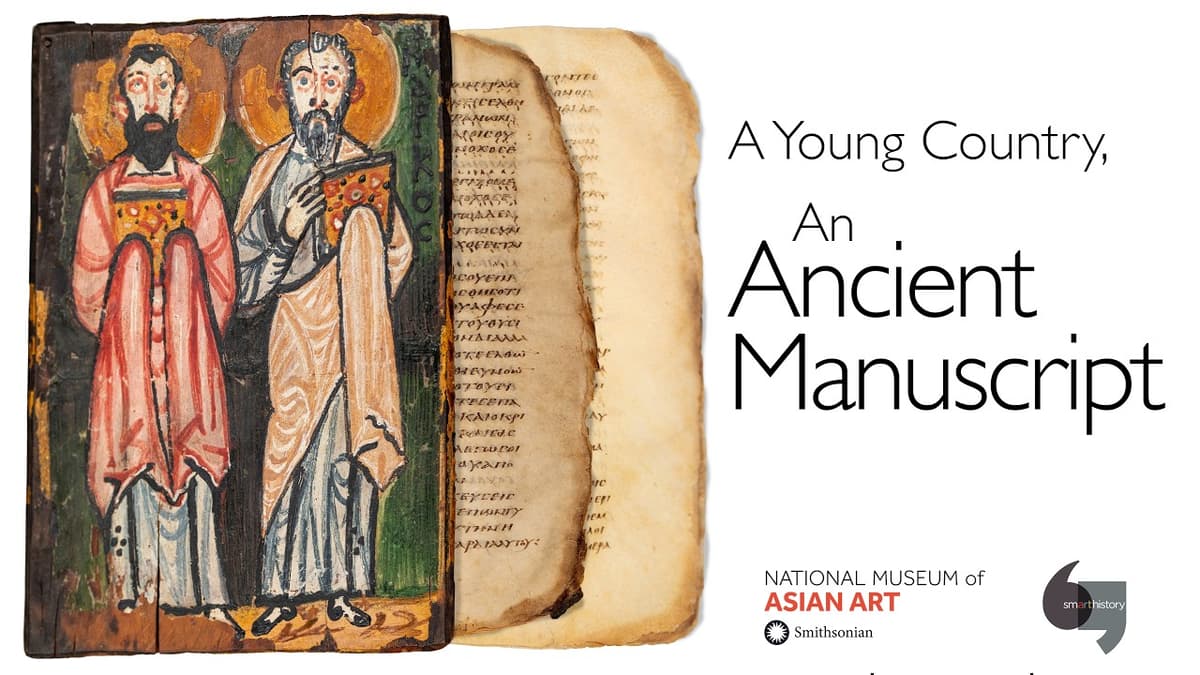
A Young Country, an Ancient Manuscript
The video recounts how Charles Lang Freer, on his first trip to Egypt in December 1906, acquired the third‑oldest known copy of the Gospels—a papyrus codex later identified as the Freer Gospels. Initially attracted by its ornate covers, Freer bought the...
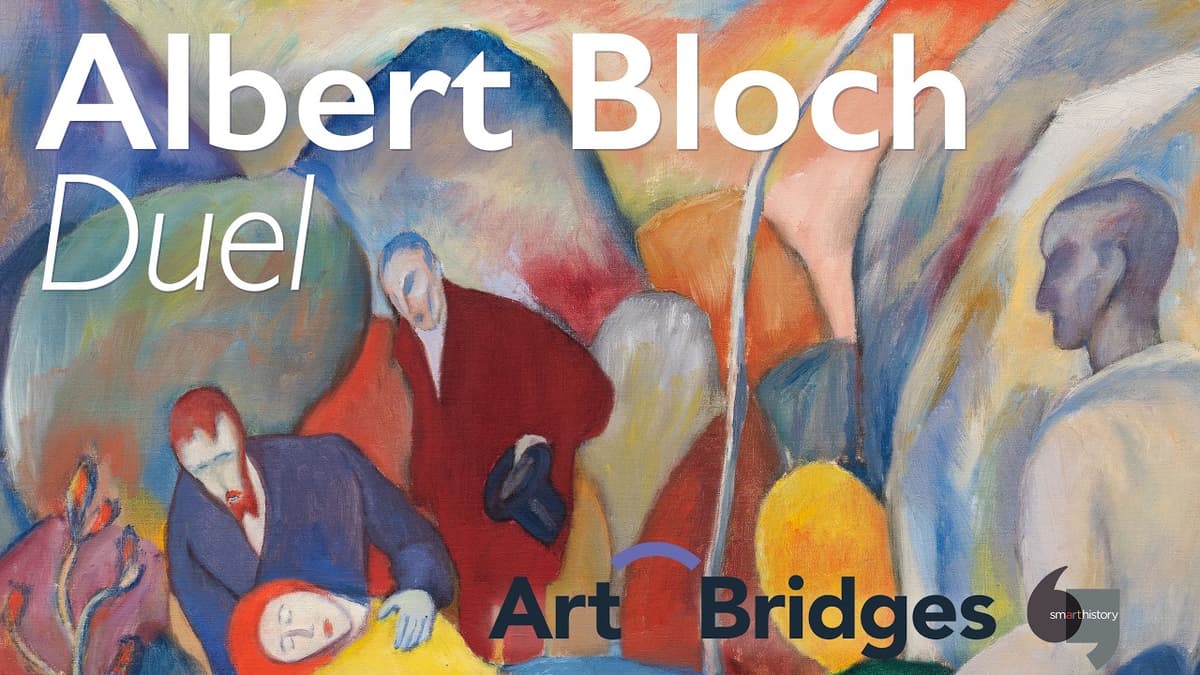
Albert Bloch, Duell (Duel)
Albert Bloch’s 1912 canvas “The Duel” is examined in Artbridges storage, highlighting its significance as a bridge between German Expressionism and early abstraction, and positioning Munich as a parallel modernist hub to Paris. The painting draws on a lineage of duel...
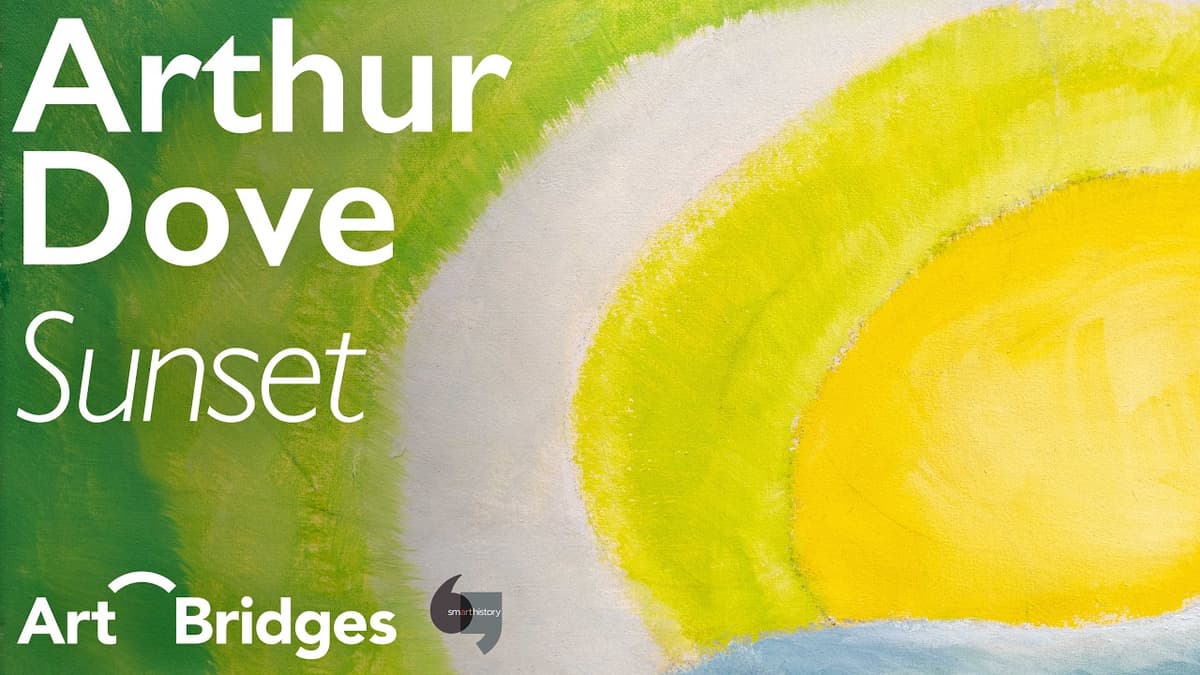
Arthur Dove, Sunset
The video examines Arthur Dove’s 1933 painting “Sunset,” a key work in the Art Bridges Foundation collection, contextualizing it within the artist’s move from a 42‑foot sailing vessel to his family’s rural estate. Dove eschews literal representation, distilling natural elements into...
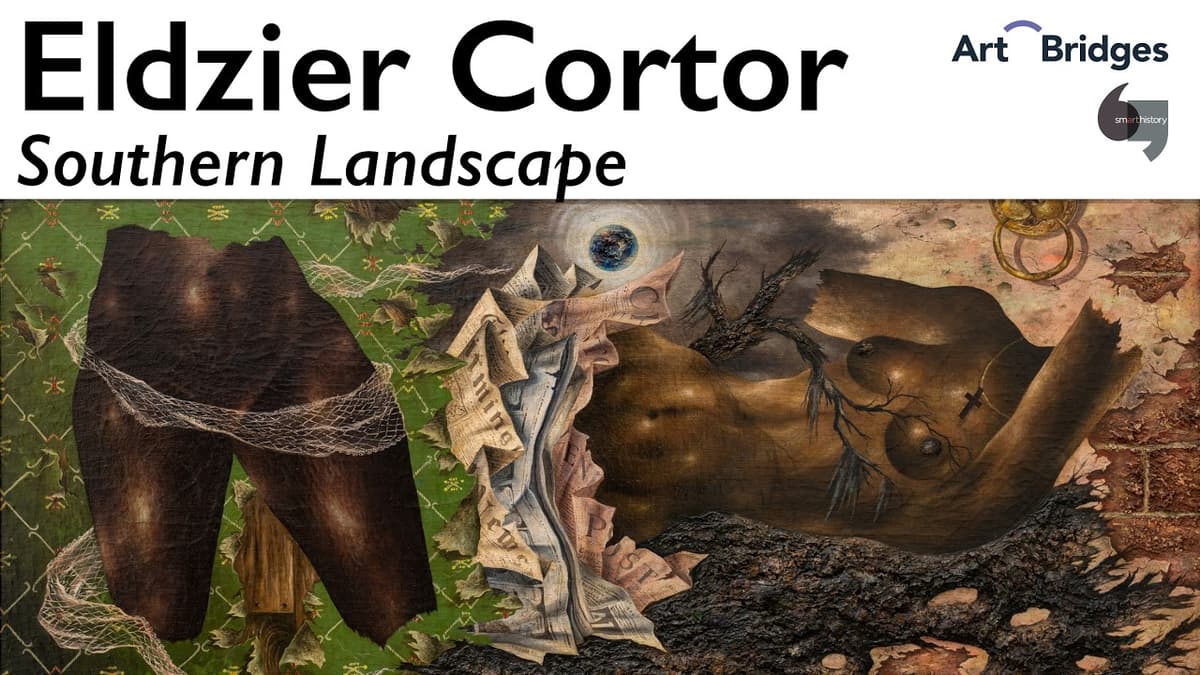
Eldzier Cortor, Southern Souvenir No. II
Eldzier Cortor’s 1948 painting Southern Souvenir No. II, now in the Art Bridges collection, is examined as a layered meditation on Black female identity and Southern trauma. The canvas splits into two visual registers: a left side of peeling wallpaper and newspaper...
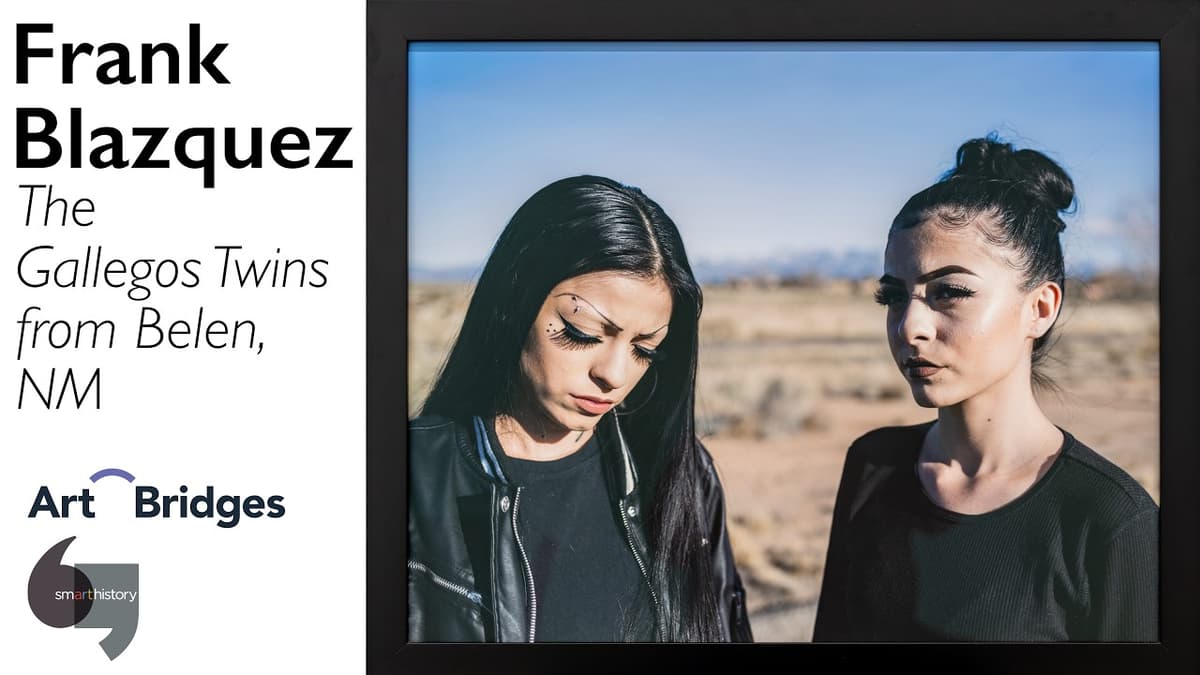
Frank Blazquez, The Gallegos Twins From Belen, NM
The video examines Frank Blazquez’s 2019 photograph of Kitty and Bunny Gallegos, twin sisters from Belen, New Mexico. The portrait, part of the "Barrios Denueo, Mexico, Southwest Stories of Vindication" series, foregrounds chola aesthetics—hoop earrings, winged eyeliner, and distinct hair...
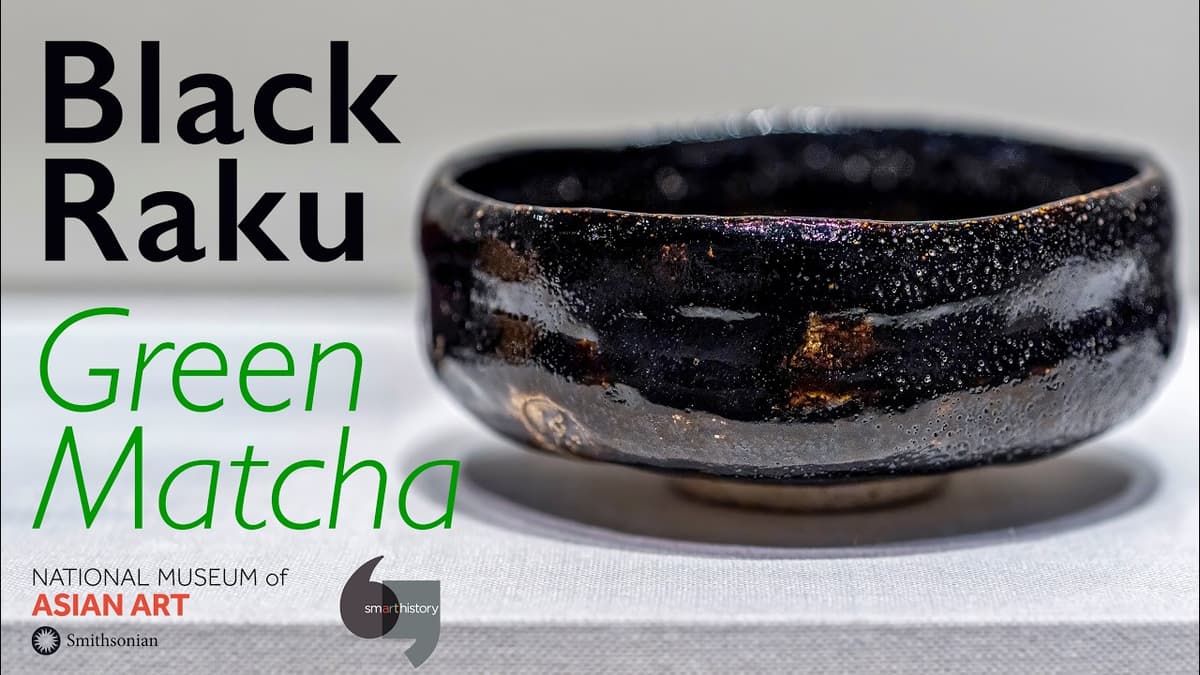
Black Raku, Green Matcha
The video takes viewers inside Washington, D.C.’s National Museum of Asian Art to examine a centuries‑old Raku tea bowl crafted by the 19th‑century potter Tannyū. Raku ware, the first Japanese ceramic created expressly for preparing and drinking matcha, combines...
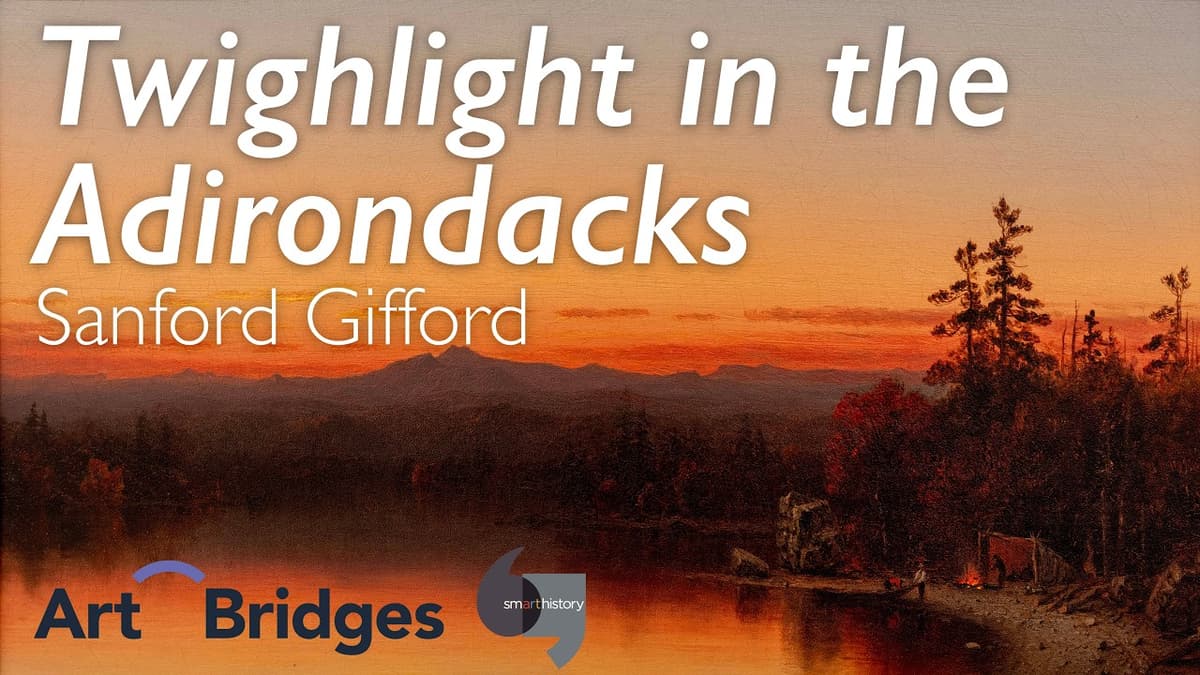
Sanford Robinson Gifford, Twilight in the Adirondacks
The video examines Sanford Gifford’s 1862 oil “Twilight in the Adirondacks,” a modest‑sized landscape held by the Art Bridges Foundation. Dr. Beth Harris and Dr. Javier Rivero Ramos guide viewers through the work’s visual and historical dimensions. The scholars note the...
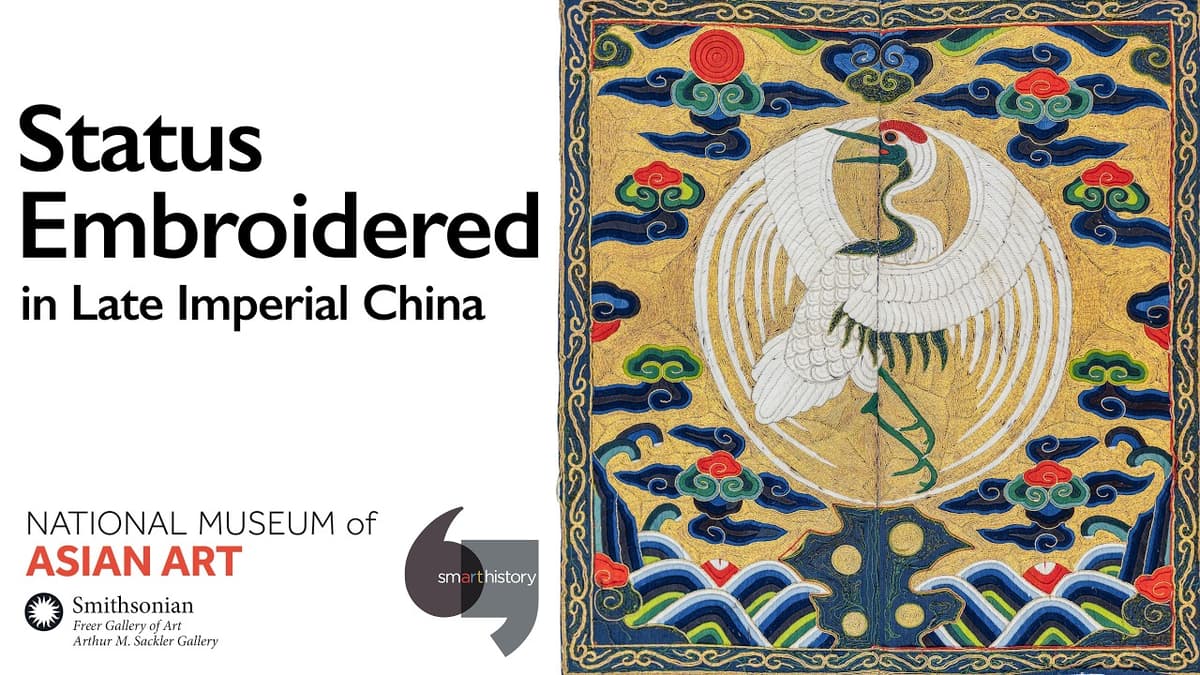
Status Embroidered in Late Imperial China
The video explores Qing‑dynasty rank badges—elaborate embroidered insignia that signaled an official’s civil or military standing. Curated in the National Museum of Asian Art, the three examples illustrate how each of the nine ranks was identified by a specific bird...
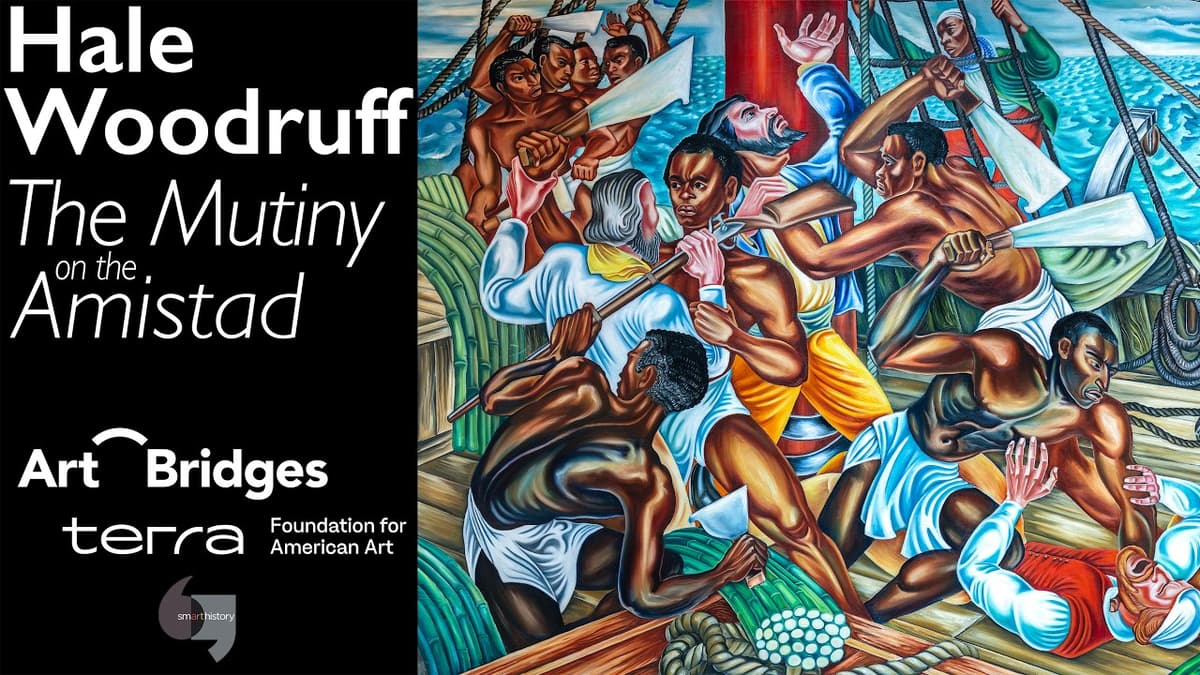
Hale Woodruff, The Mutiny on the Amistad
The video tours Hale Woodruff’s multi‑part mural series on the 1839 Amistad mutiny, now displayed in the Savory Library at Talladega College. Commissioned by President Bule Gallagher and board chair George Crawford, the canvases were intended to commemorate freedom and...
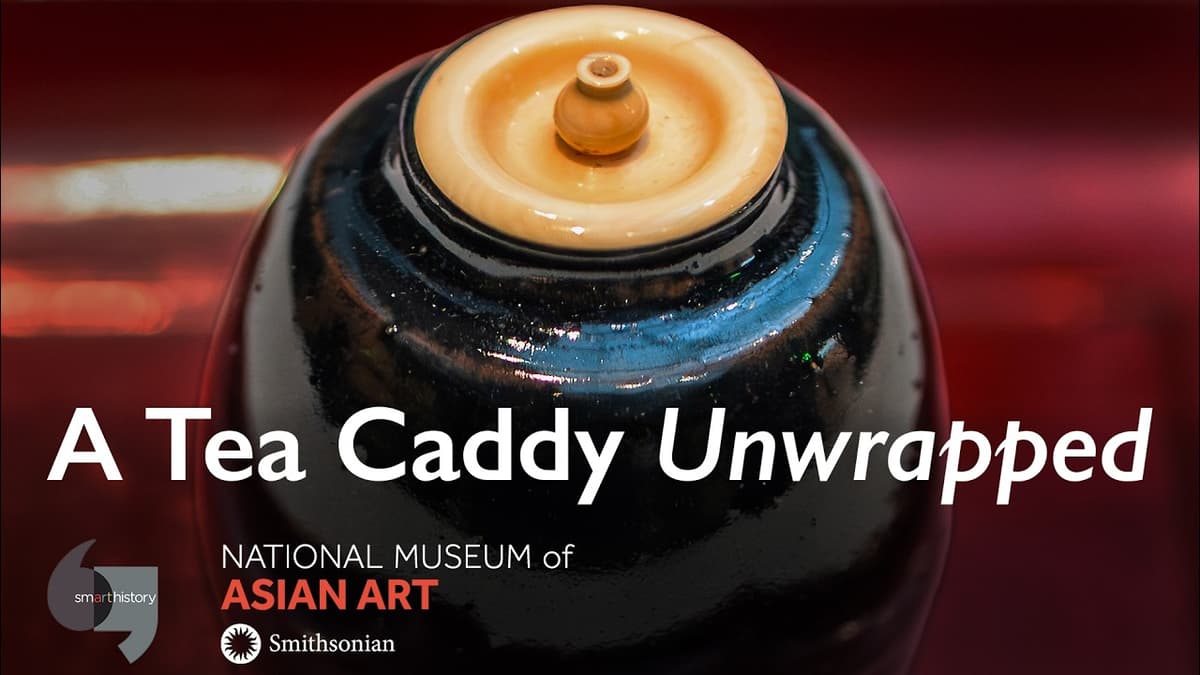
A Tea Caddy Unwrapped
At the National Museum of Asian Art, the exhibition “Reasons to Gather: Japanese Tea Practice Unwrapped” spotlights a modest yet historically rich tea caddy— a Yuan‑dynasty Chinese ceramic topped with ivory. The piece illustrates how a utilitarian container became central...
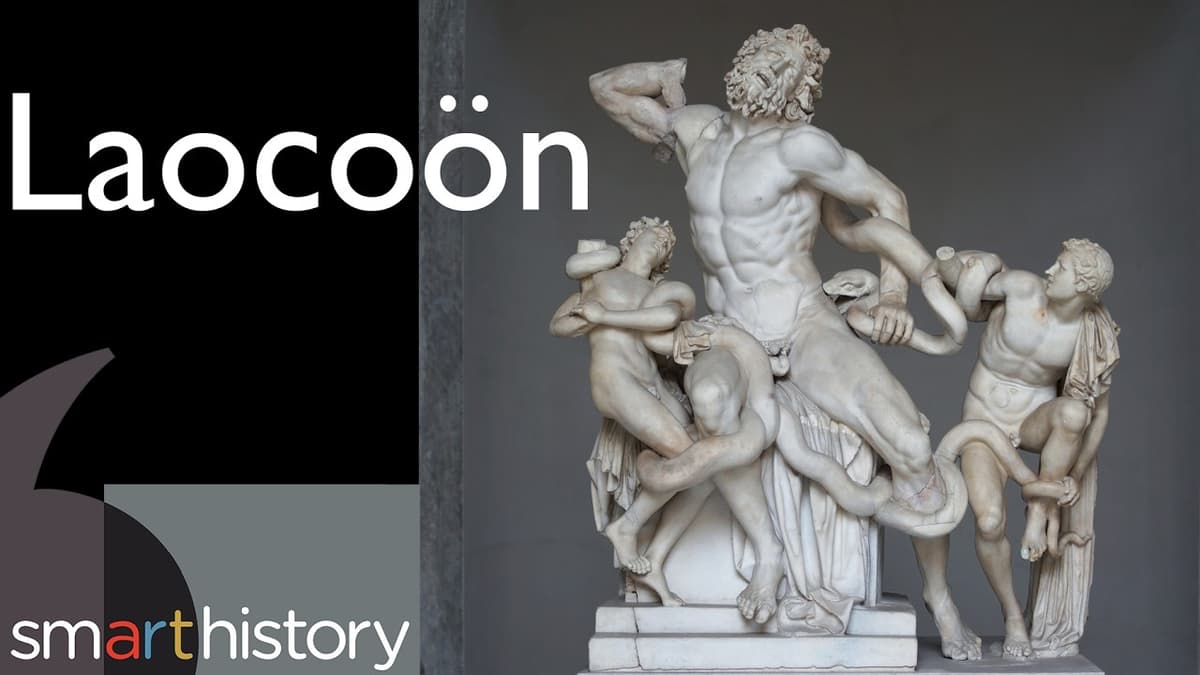
Laocoön and His Sons
The Vatican’s Belvedere courtyard houses the famed Laocoön and his Sons, a marble group discovered in 1506 and quickly added to Pope Julius II’s collection. The work, long associated with the description by Pliny the Elder, illustrates the priest Laocoön and...
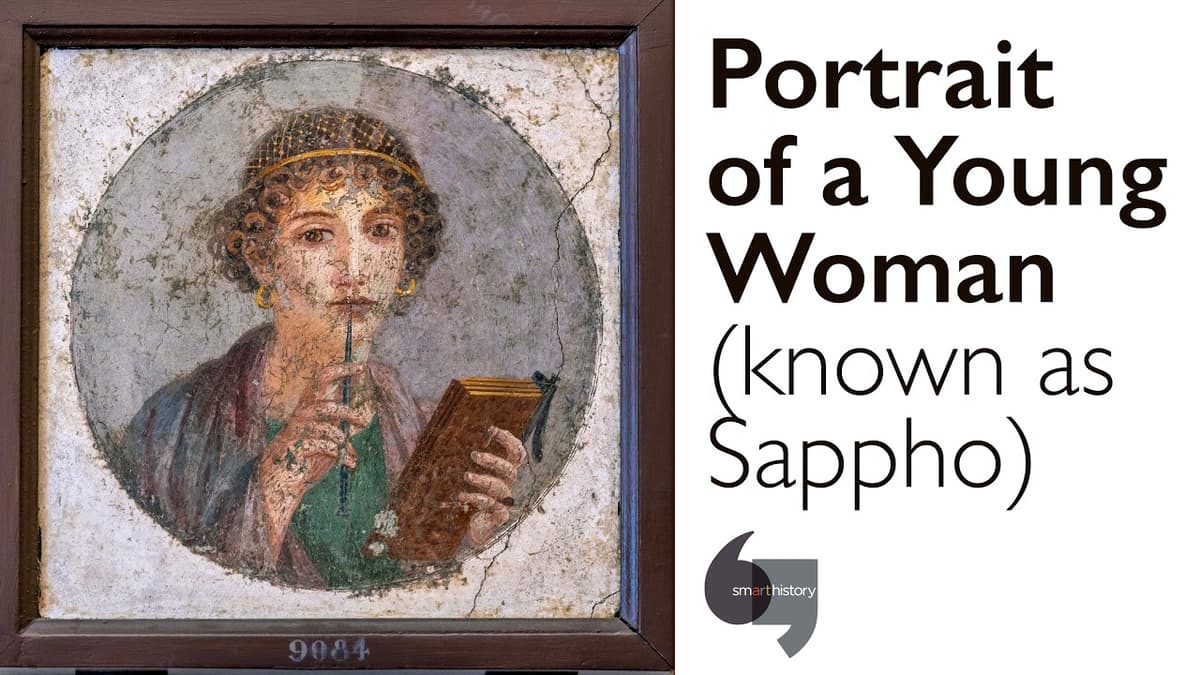
Portrait of a Young Woman (Known as Sappho) From Pompeii
The National Archaeological Museum in Naples houses a small square fresco removed from a wall in Pompeii, showing a young woman in a roundel. Scholars believe the painting was created in the decades leading up to the catastrophic 79 CE eruption...