
Video•Mar 5, 2026
Behind the Science with Ecologist Rodolfo Dirzo
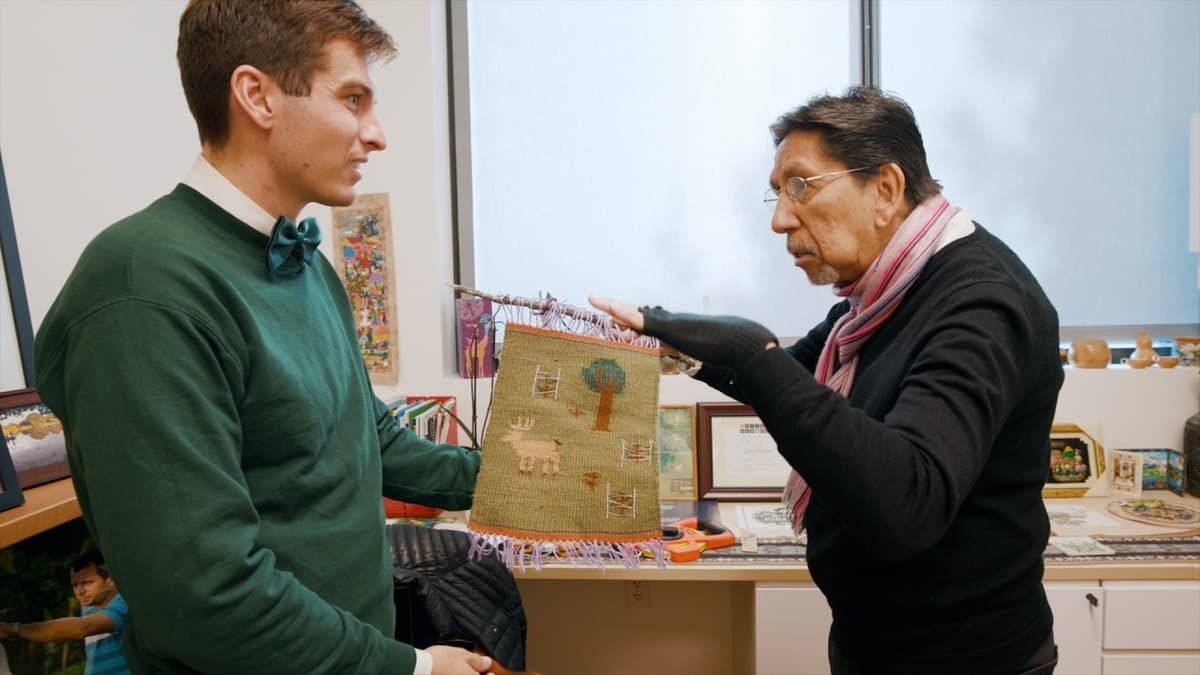
The video is a brief interview with ecologist Rodolfo Dirzo, conducted in his Bass Biology building office, where he explains the focus of his research on how accelerating human pressures are reshaping natural ecosystems and the downstream consequences for human health. Dirzo emphasizes that habitat destruction, land‑use change, pollution and biodiversity loss do not act in isolation; they interact synergistically to erode ecosystem services. He demonstrates his field toolkit—camera traps that snap photos when a laser beam is broken, and small‑mammal tunnels baited with peanut butter and honey—to monitor birds, mammals and other wildlife without harming them. He recounts growing up near a fragment of forest in southern Mexico, a childhood experience that sparked his curiosity. When asked about his favorite bird, he cites the bar‑tailed godwit, illustrating his personal connection to the species he studies. He also notes that many people mistakenly attribute environmental decline solely to climate change, overlooking the combined impact of land‑use and pollution. The interview underscores the urgency of integrating ecological monitoring with public‑health frameworks. By quantifying how biodiversity loss translates into human wellbeing risks, Dirzo’s work provides evidence for policymakers to prioritize habitat protection, pollution mitigation, and sustainable land management as essential components of health security.
By Stanford
Video•Mar 2, 2026
Students Showcase Climate and Energy Solutions at Global Sustainability Challenge
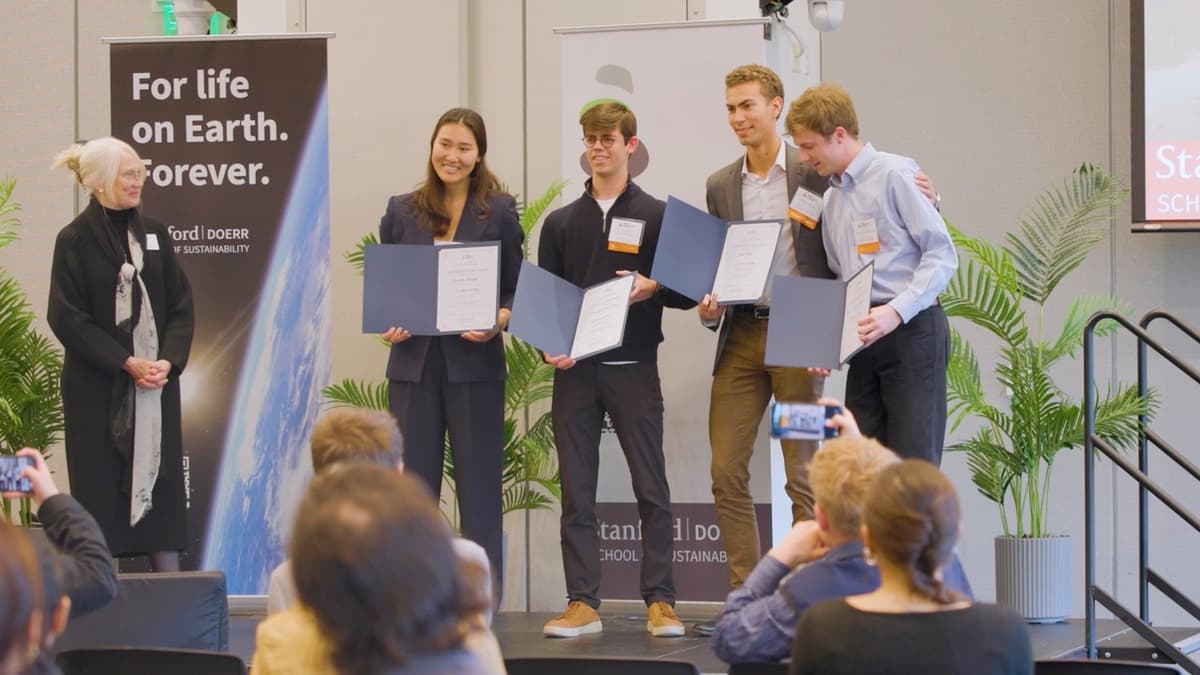
The first Global Sustainability Challenge culminated in a Stanford‑hosted final, where student teams from North and South America displayed innovative climate and energy solutions aimed at local community problems. Highlights included an oyster‑based water‑filtration system that uses an alkaline force field...
By Stanford