

Sever's Disease: What Is It and How Is It Treated?
Dr. Arvin Balaji, a pediatric sports‑medicine specialist at Sanford Medicine Children’s Health, explains that Sever’s disease—a common cause of heel pain in children aged 8 to 14, especially boys—is caused by the Achilles tendon and calf muscles pulling on the heel’s growth plate. The condition arises during rapid growth phases when the bone‑tendon unit outpaces the developing calcaneal apophysis. Balaji outlines three core treatments: complete rest until limping subsides, consistent calf‑and‑Achilles stretching, and the use of heel inserts or supports in athletic shoes. Rest removes repetitive stress, while stretching gradually relieves tension on the growth plate, offering short‑, medium‑ and long‑term relief. Heel cushions absorb impact, reducing the pounding forces that exacerbate pain. “The number one thing we can do is rest,” Balaji emphasizes, noting that athletes often resist it. He adds that “stretching the calf muscles… is probably the most effective treatment” and that “heel inserts provide cushioning so the heel doesn’t pound.” These practical steps are easy for parents and coaches to implement. Early recognition and simple interventions can keep young athletes active, limit time away from sport, and prevent chronic heel issues. For pediatric sports programs, incorporating stretching routines and appropriate footwear becomes a cost‑effective strategy to manage and reduce Sever’s disease incidence.

Stanford Medicine Match Day 2026 - Pediatrics Edition
The video captures Stanford Medicine’s 2026 Match Day focused on pediatrics, showcasing students who have secured residency slots at Stanford’s triple‑board program and at neighboring UCSF. It celebrates the community spirit and the diverse pathways that lead medical graduates to...

Innovating to Improve Heart Disease Care and Outcomes - Stanford Medicine Children's Health
The video spotlights Stanford Medicine Children’s Health’s Betty Irene Moore Children’s Heart Center, which has pioneered a method to generate personalized digital replicas of patients’ hearts and blood vessels. These 3‑D models allow surgeons to rehearse procedures virtually before stepping...
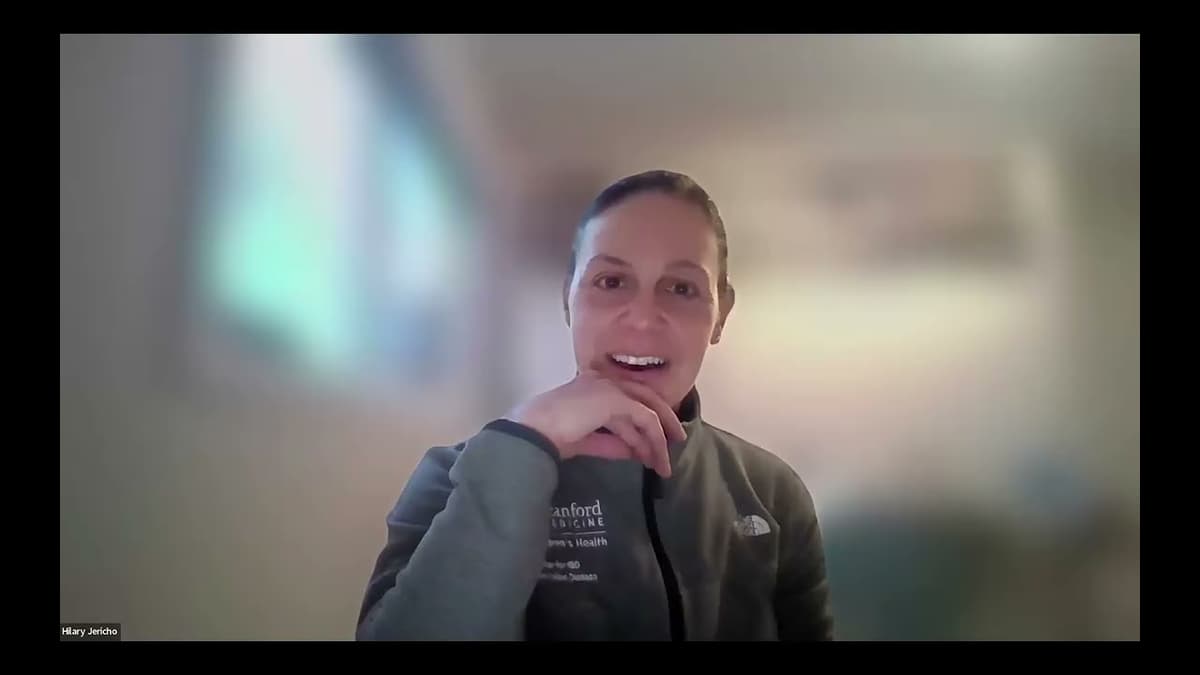
Stanford Children’s Health Celiac Disease Program Webinar: Safely Dining Out Gluten-Free
The Stanford Children’s Health Celiac Disease Program hosted a webinar focused on practical strategies for dining out safely while adhering to a strict gluten‑free diet. Led by medical director Dr. Hillary Jericho, registered dietitian Far Mardini, and student advocate Yuvraj,...