
AI for Organizations Grand Challenge
The AI for Organizations Grand Challenge convenes leading AI labs and academic institutions to explore how artificial intelligence can reshape corporate structures and work processes. DeepMind, in partnership with Stanford’s Institute for Human‑Centered AI, offers its data and computational resources as a living laboratory for the initiative. The competition attracted more than 150 university proposals worldwide, narrowing to 13 interdisciplinary teams that blend computer science, management theory, and organizational sociology. Researchers will test novel algorithms on DeepMind’s internal datasets, probing questions that bridge decades‑old social theory with modern machine‑learning techniques. Participants praised the opportunity, with one researcher noting, “When I heard DeepMind would sponsor and share data, I realized this is exactly what our field needs.” The organizers highlighted the “tremendous energy” from global scholars and the chance to interrogate AI’s foundations in real‑world organizational settings. By demonstrating AI’s capacity to coordinate effort and boost productivity, the Grand Challenge aims to set a template for future industry‑academic collaborations, accelerating the deployment of responsible AI tools that enhance organizational performance and competitive advantage.
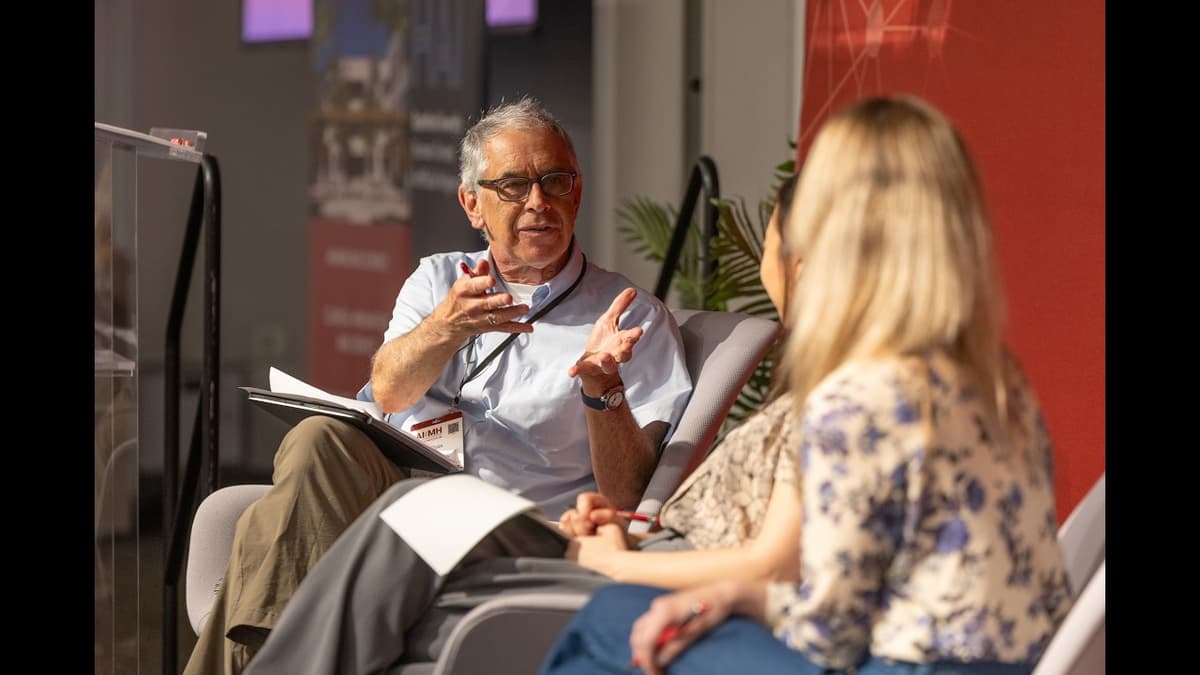
2026 AI for Mental Health (AI4MH) Symposium: Industry & Translation —What It Takes to Deploy
The AI4MH symposium’s industry and translation session examined how artificial‑intelligence mental‑health solutions move from research labs to real‑world clinics. Speakers highlighted the urgency of scaling tools responsibly, addressing safety, evaluation, and regulatory challenges while treating AI as a public‑health...
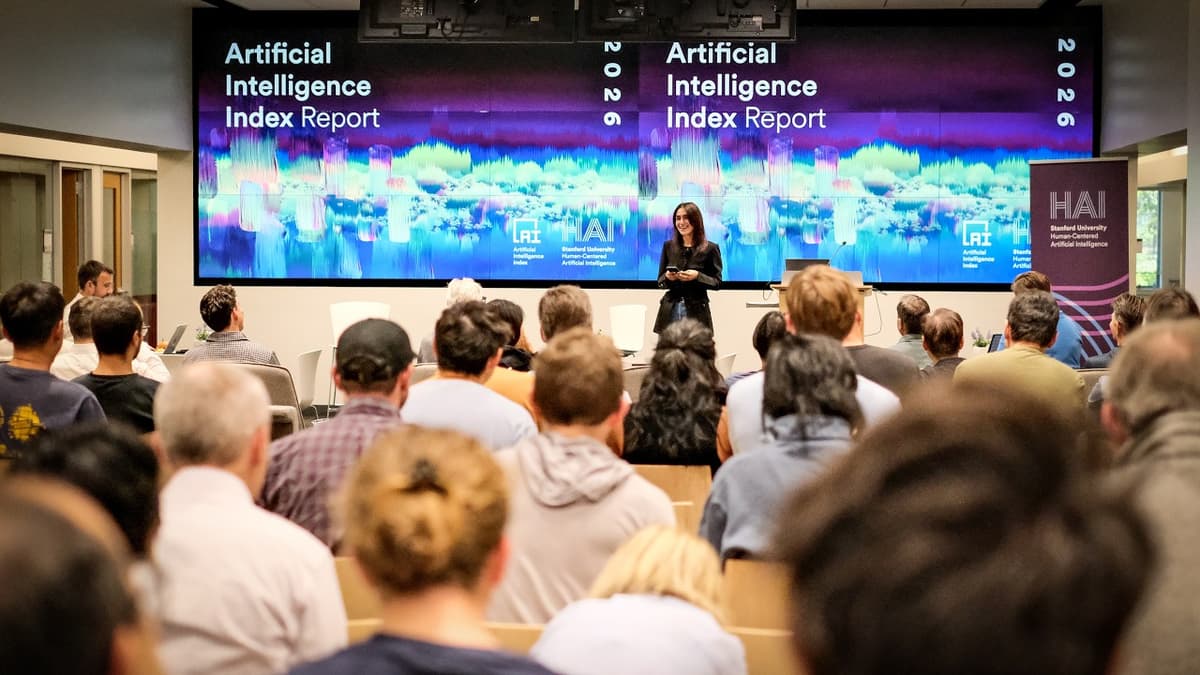
Inside the 2026 AI Index Report
The video walks through the ninth edition of the AI Index, highlighting its purpose to provide a data‑driven snapshot of AI’s trajectory across nine dimensions, from technical progress to economic and societal impact. The report shows AI spreading at unprecedented speed—88 %...
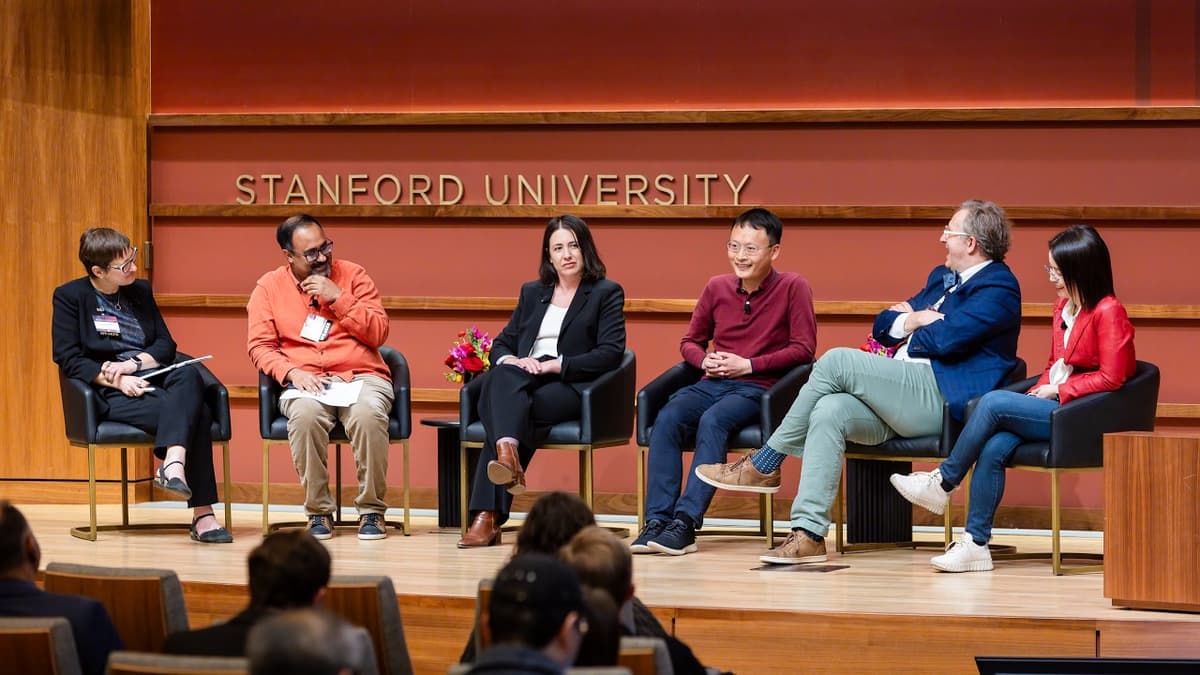
AI+Science: Role of Human Understanding in the Future of Scientific Discovery
The final panel of the conference examined how human understanding will coexist with AI‑driven scientific discovery. Speakers from automated labs, quantum machine learning, institutional studies, and knowledge‑generation research debated whether generative AI and large language models (LLMs) are tools, subjects,...
AI for Organizations Grand Challenge
The AI for Organizations Grand Challenge convened leading AI labs and academic institutions, led by DeepMind and Stanford HAI, to fund research on how AI can reshape organizational design and performance. Organizers solicited proposals globally—drawing more than 150 university submissions...
AI and Organizations Lab
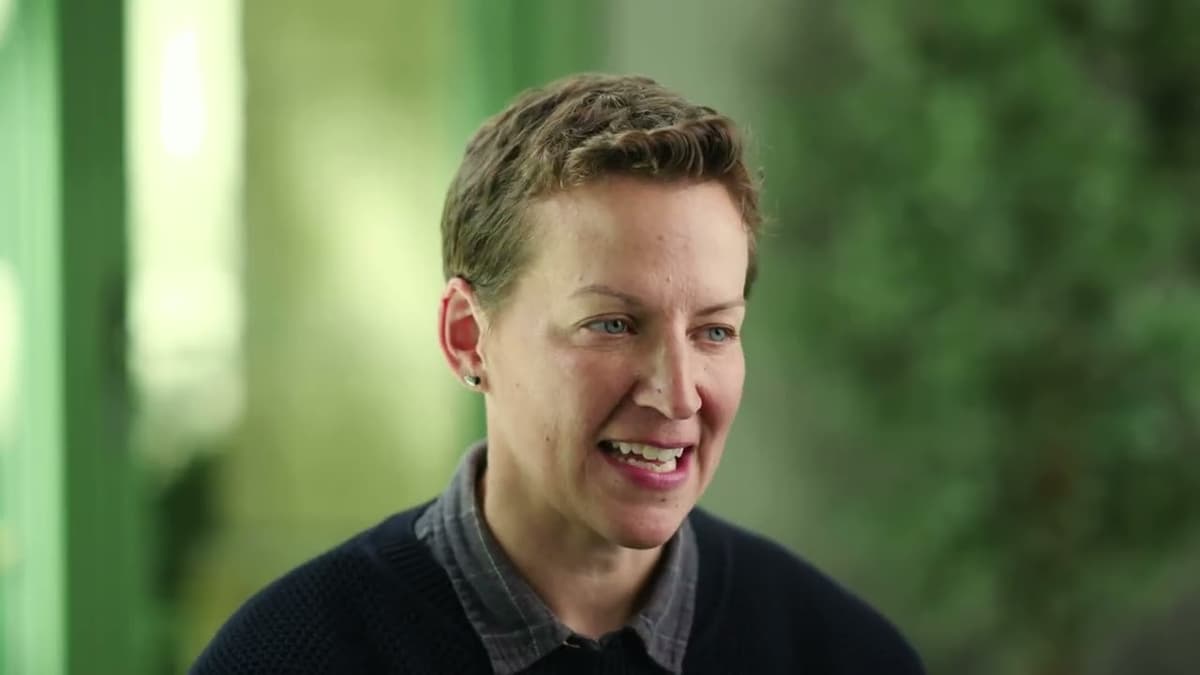
The AI and Organizations Lab aims to produce grounded research and practical playbooks to guide how organizations adapt to AI over the next five years, training scholars to help industry implement change. Leaders envision studying how AI reshapes work, knowledge,...
AI+Science: Accelerating Discovery
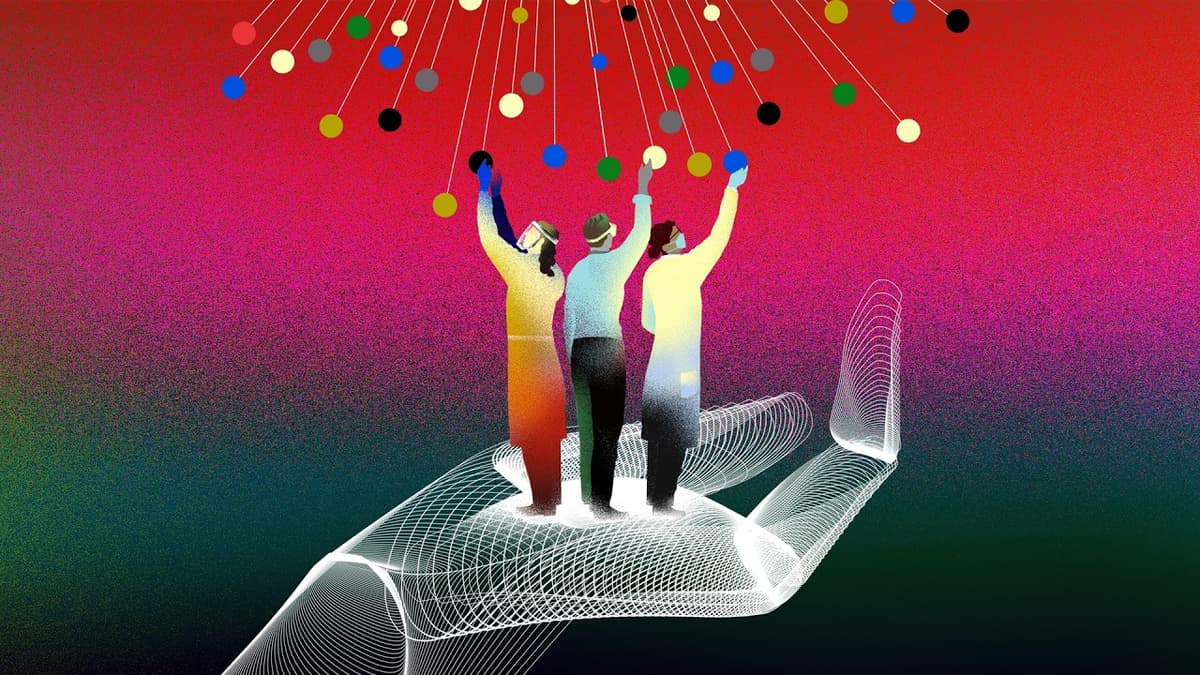
The AI+Science conference opened with Stanford President Jonathan Levin highlighting how artificial intelligence, once absent from national science agendas, has become a catalyst for accelerating discovery. The day’s centerpiece was the announcement that Stanford’s Human‑Centered AI Institute and Stanford Data Science...

HAI Seminar: Learning by Creating – A Human-Centered Vision for AI in Education
The seminar, led by Stanford assistant professor Hari Subbanam, presented a human‑centered vision for artificial intelligence in education, arguing that generative AI should be used to deepen learning rather than merely increase efficiency. Subbanam contrasted two historic paradigms: knowledge‑building, where learners...
HAI Seminar: Wikipedia in the Age of AI and Bots
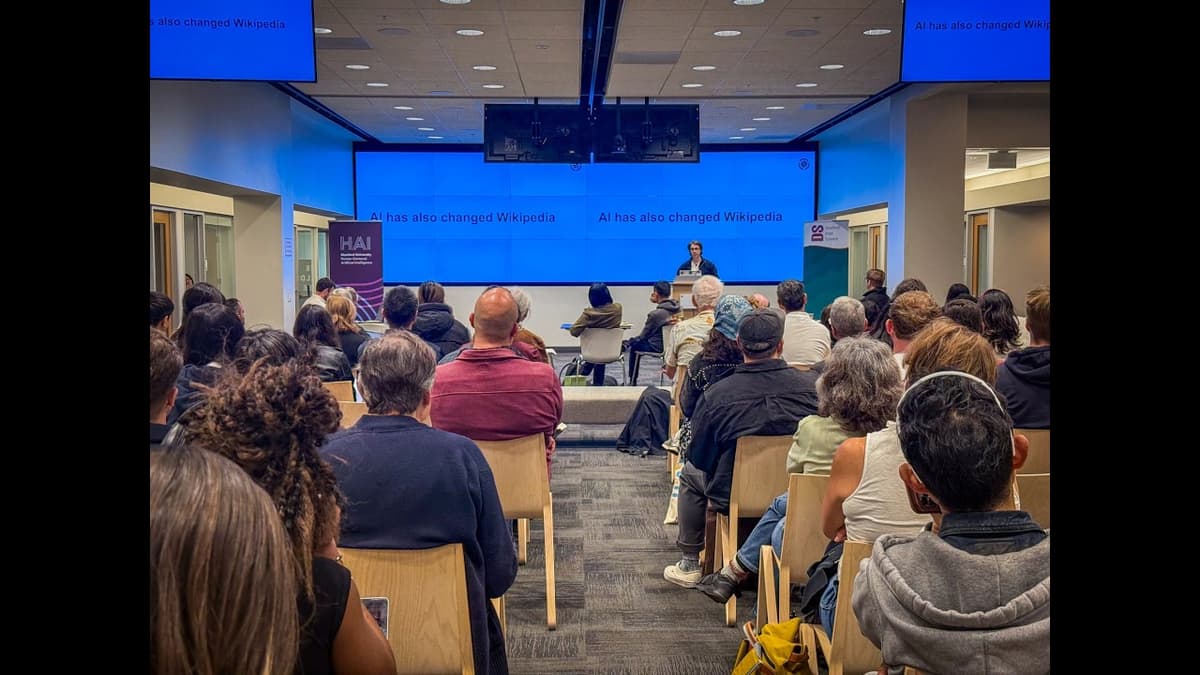
The HAI seminar examined how Wikipedia is adapting to the rapid rise of large language models and automated bots. Speakers highlighted that bot‑generated traffic now accounts for a sizable share of page views, overwhelming image‑serving infrastructure and driving up...