Recent Posts
Video•Feb 26, 2026
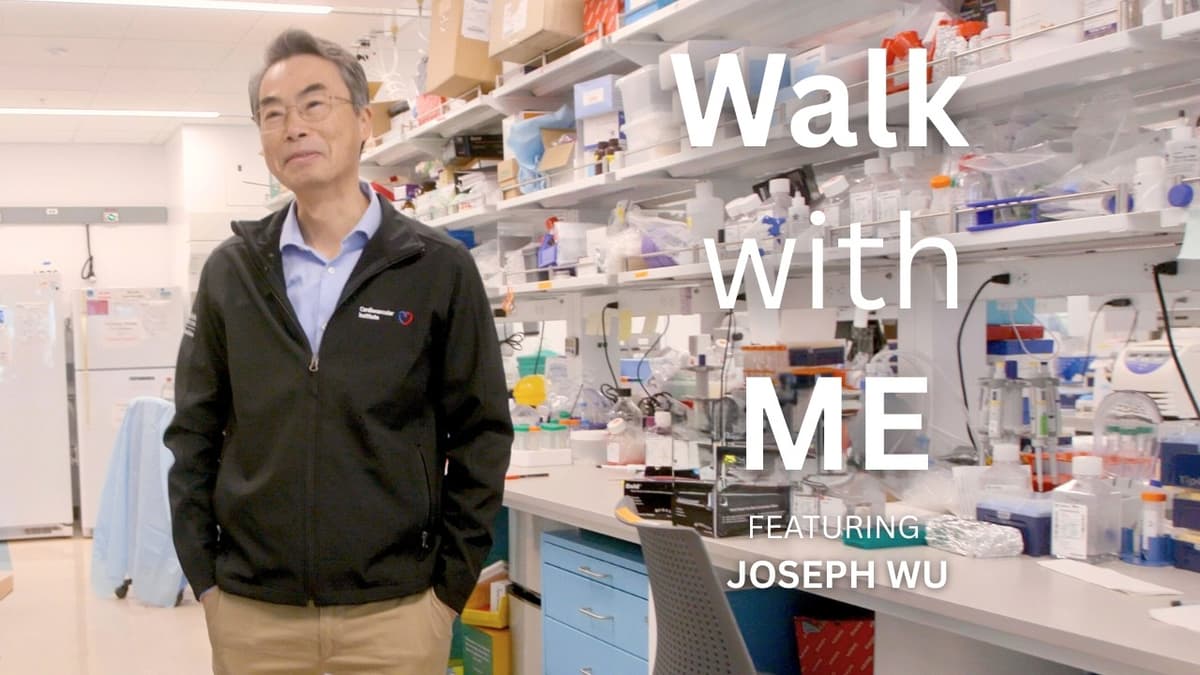
Walk With Me: Joseph Wu, Cardiologist Studying Stem Cells and Heart Disease
Joseph Wu, a Stanford professor of medicine and radiology, leads the Stanford Cardiovascular Institute in developing patient‑specific cardiac cells derived from a person’s own blood. By reprogramming blood cells into pluripotent stem cells and then coaxing them to become beating heart cells, his team creates a living model of each patient’s heart. The approach lets researchers test which medications work best for an individual’s disease mechanism, addressing the long‑standing challenge of matching drugs to patients. Wu notes that heart disease remains the leading cause of death in the United States, outpacing many cancers, especially among women, underscoring the urgency of more precise therapies. Wu recalls an “aha” moment two decades ago when a specific cocktail of growth factors caused the stem cells to twitch, confirming they were forming functional cardiomyocytes. He also stresses perseverance, saying, “Life is a journey; focus on the long run,” a mantra that guides his translational work. If successful, this personalized platform could streamline drug development, reduce trial‑and‑error prescribing, and ultimately lower cardiovascular mortality. It exemplifies a shift toward precision cardiology, where treatments are tailored to the molecular profile of each patient’s heart.
By Stanford Medicine
Video•Feb 10, 2026
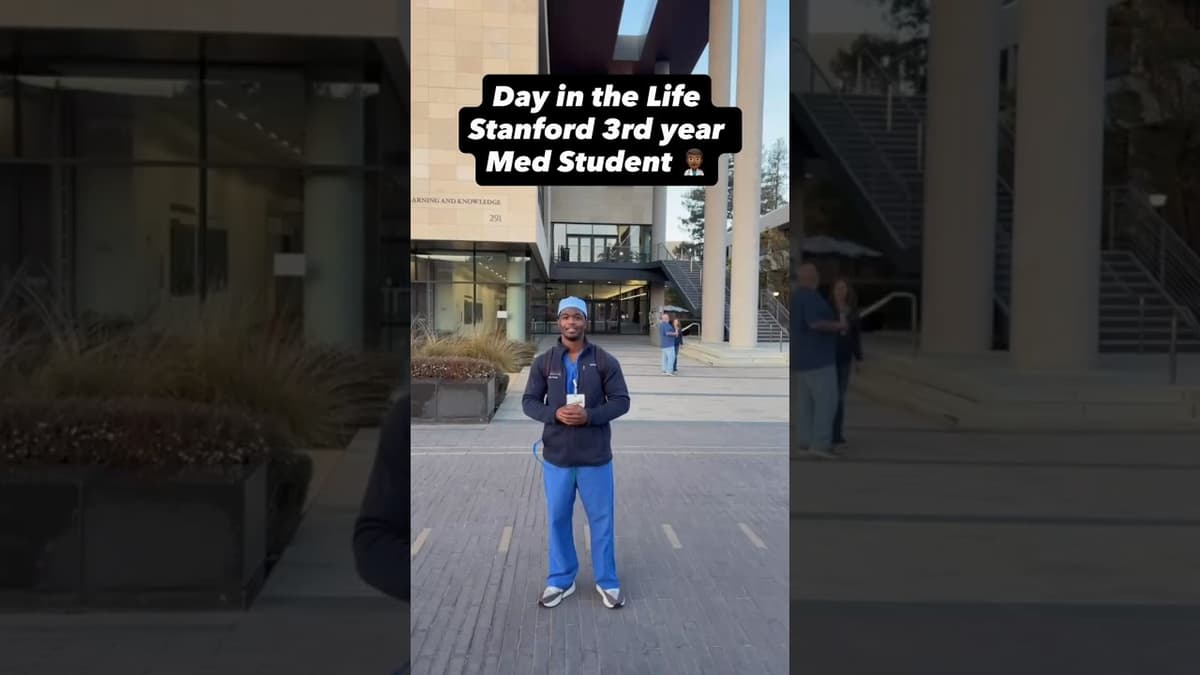
Day in the Life: Stanford Med | Johnny Powell
Johnny Powell, a third‑year Stanford medical student, walks viewers through a typical day on his surgery rotation, beginning at 4:30 a.m. with hospital rounds and patient note reviews. He highlights the campus’s appeal and the rigorous schedule that defines Stanford Medicine. During...
By Stanford Medicine