
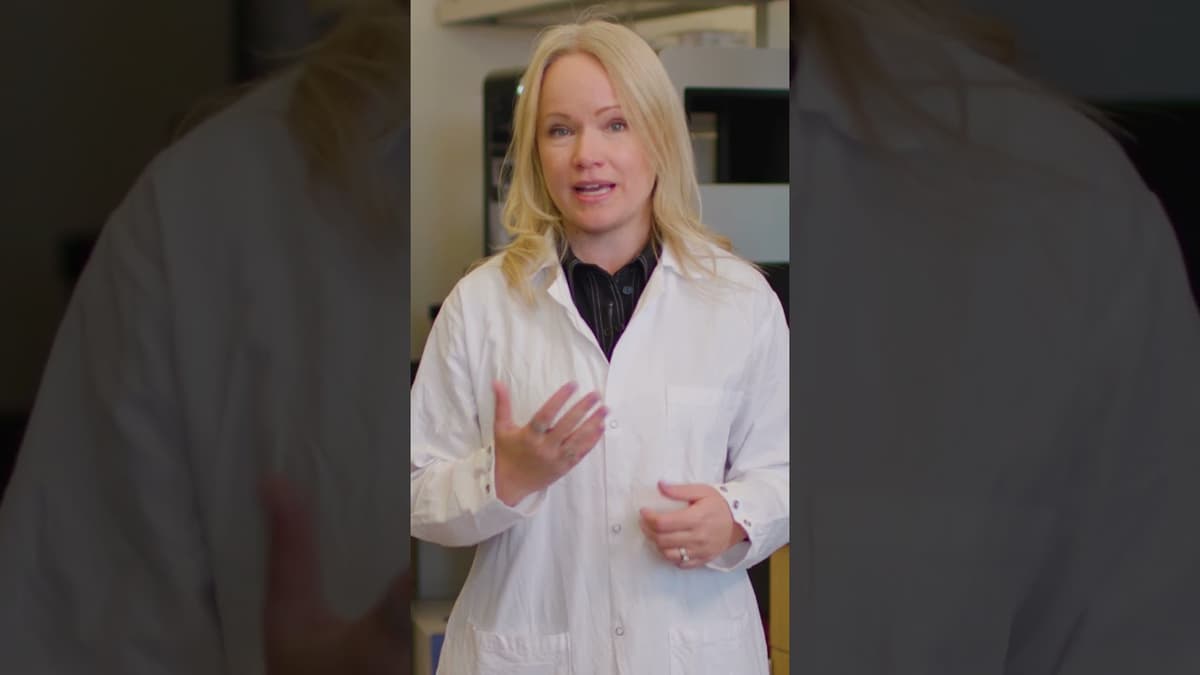
‘AI Is Changing the Way We Do Biology’
Emma Lundberg, a cell biologist, explains how mapping protein localization across space and time is reshaping our understanding of cellular function. She notes that a protein’s subcellular address—mitochondria, nucleus, or elsewhere—provides strong hints about its role, and that mis‑localization underlies cancers, immune disorders, and neurodegeneration. Her lab has amassed millions of high‑resolution microscope images to catalog these positions. Lundberg emphasizes, “If I see a protein in the mitochondria, I might assume it’s involved in energy metabolism,” illustrating how visual cues translate into functional hypotheses. The sheer volume of data, however, makes manual annotation impractical. Recent advances in artificial intelligence now allow rapid, automated interpretation of the image trove, enabling predictive models that could rewire cells, optimize performance, and point to novel therapeutic targets.

How Do You Catch the Winds of Luck?
In a brief talk, Tina Celig, executive director of Night Hennessy Scholars, reframes luck as a skill rather than pure chance, distinguishing it from fortune—the events that simply happen to us. Celig argues that luck is omnipresent, likening it to wind...

Humanoids Are the Next Frontier in AI and Robotics
Stanford professor Karen Liu argues that humanoid robots constitute the next frontier in artificial intelligence and robotics, offering a physical embodiment designed for human environments. At the university’s Movement Lab, researchers fuse computer graphics, robotics, and biomechanics to uncover principles of...
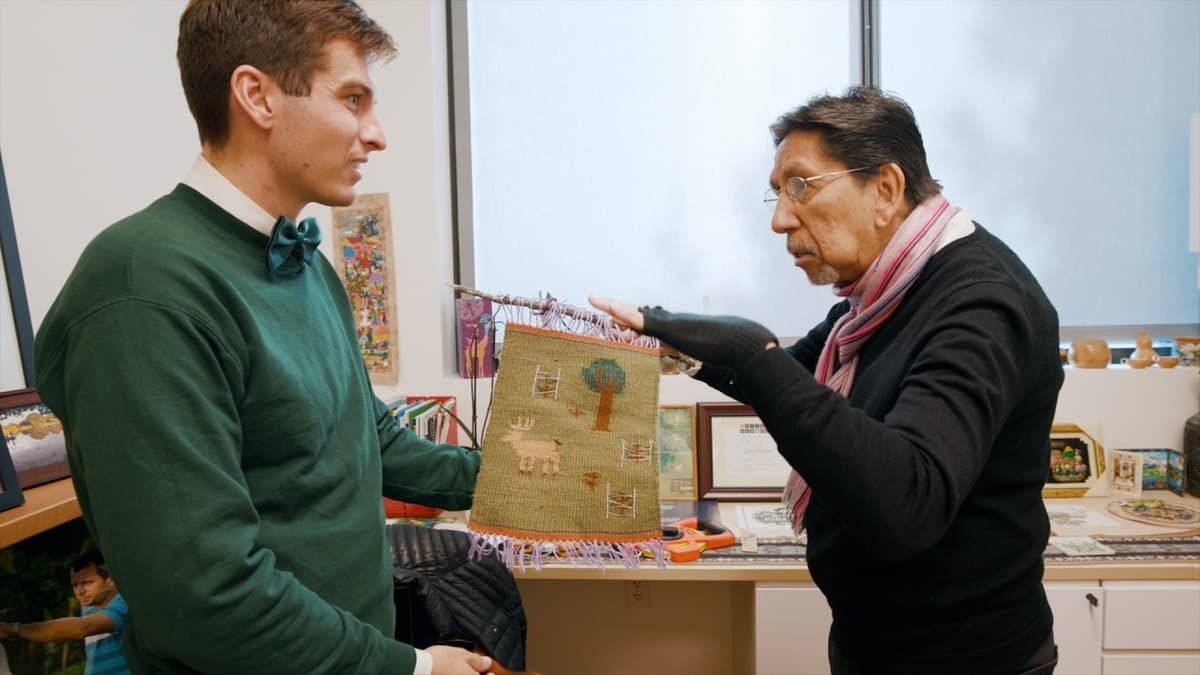
Behind the Science with Ecologist Rodolfo Dirzo
The video is a brief interview with ecologist Rodolfo Dirzo, conducted in his Bass Biology building office, where he explains the focus of his research on how accelerating human pressures are reshaping natural ecosystems and the downstream consequences for human health. Dirzo...
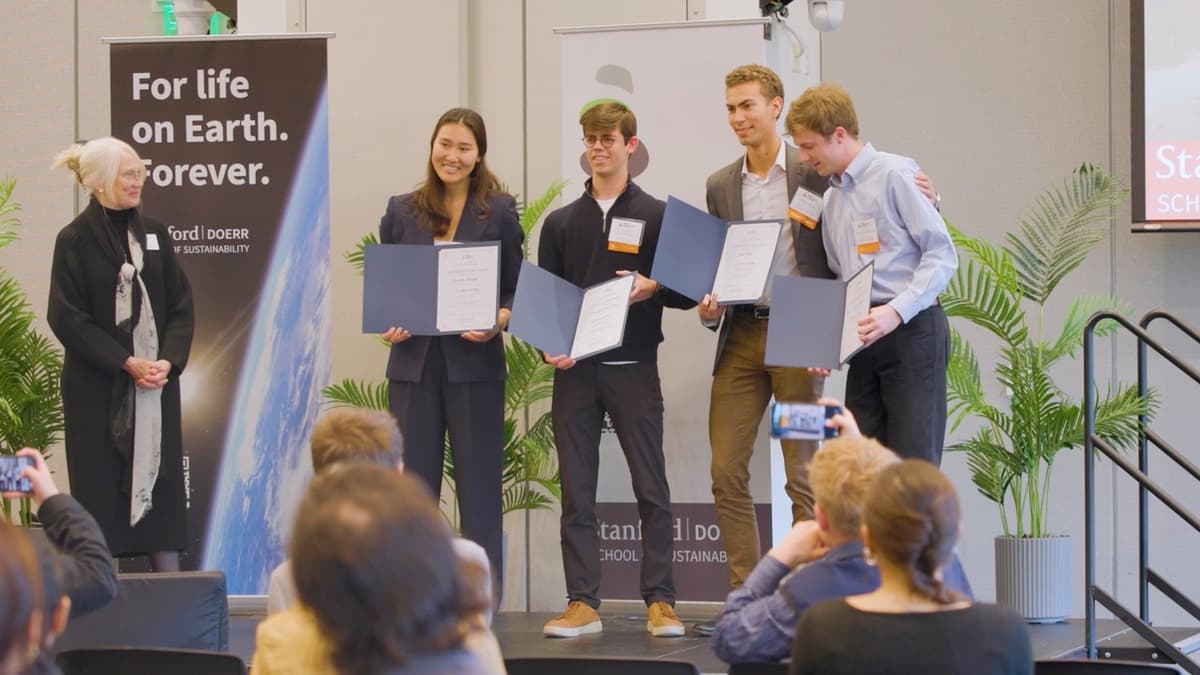
Students Showcase Climate and Energy Solutions at Global Sustainability Challenge
The first Global Sustainability Challenge culminated in a Stanford‑hosted final, where student teams from North and South America displayed innovative climate and energy solutions aimed at local community problems. Highlights included an oyster‑based water‑filtration system that uses an alkaline force field...