Video•Feb 12, 2026
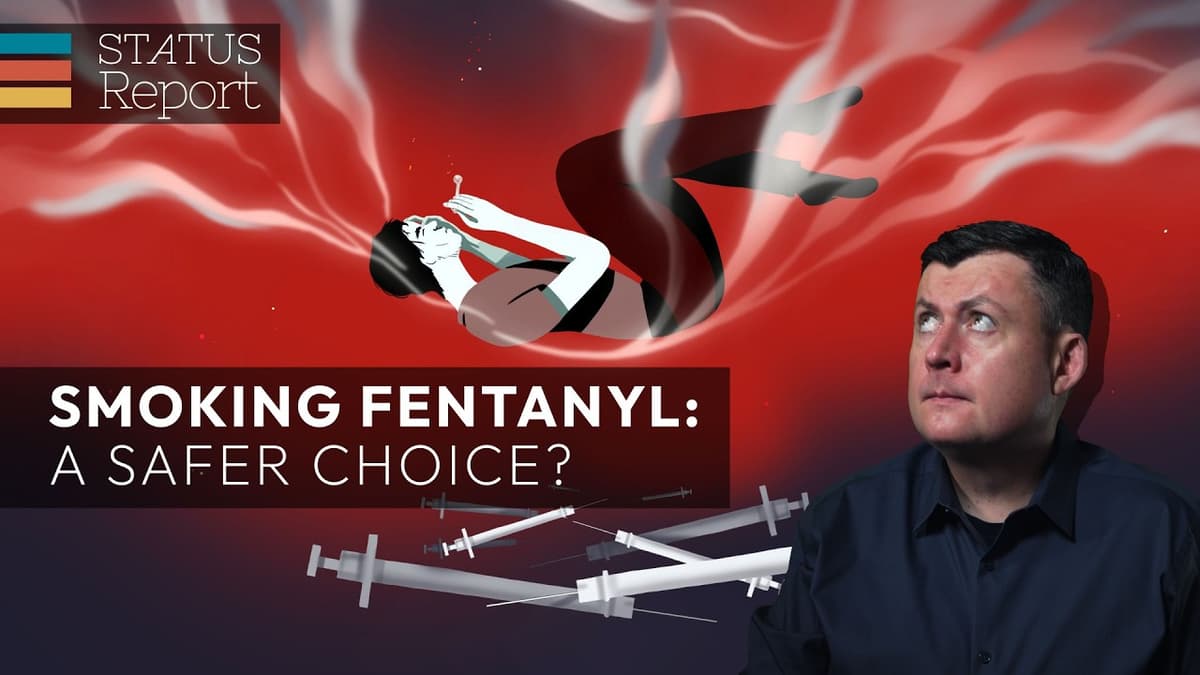
Americans Are Smoking Fentanyl More. Good News?
The video examines the growing trend of Americans smoking fentanyl instead of injecting it, and how harm‑reduction organizations are deliberately supplying glass pipes to facilitate that shift. Reporters Lev Facher and a STAT addiction reporter tour a distribution warehouse and accompany outreach worker Megan Merrill into New Hampshire’s homeless encampments, documenting the logistics of pipe kits and the rationale behind encouraging inhalation.
Key insights reveal that smoking fentanyl cuts exposure to bacterial infections, vein damage, and blood‑borne diseases while allowing users to titrate doses more precisely. Pipe kits—often called “boof” or “sniff” kits—are low‑cost, portable, and turn a 15‑minute risky public injection into a quick, discreet hit. Users also describe smoking as a more social activity, creating a peer safety net that can intervene during an overdose.
Jim Duffy of Smoke Works emphasizes that providing quality glass is not about forcing behavior but meeting demand; many users now return syringes for pipes. Megan Merrill reports a noticeable transition among unhoused populations, noting fewer abscesses and infections. Hospital medical director Sarah Wakeakeman cautions that while inhalation reduces injection‑related harms, fentanyl’s potency still makes overdose a serious risk, underscoring the need for universal precautions.
The shift has policy implications: expanding access to safer‑consumption supplies could lower healthcare costs tied to infections and overdoses, but public health messaging must balance harm‑reduction benefits with clear warnings about fentanyl’s lethality. As more jurisdictions adopt pipe distribution, the balance between reducing injection‑related morbidity and preventing inhalation overdoses will shape future drug‑policy strategies.