
Recent Posts

Video•Feb 17, 2026
House Flipping at an All Time Low, a Good or Bad Thing?
House flipping in Vancouver has plunged to under 2% of home sales, down sharply from a roughly 15% peak in 2007. The decline has been underway for several years and accelerated as house prices stopped rising and started to fall. British Columbia introduced a flipping tax in 2024 despite flipping already being minimal, highlighting a mismatch between policy timing and market conditions. Analysts say flipping is a symptom of rapid price growth and excess liquidity—when those drivers disappear, speculative rehab-and-resell activity collapses.
By Steve Saretsky
Video•Feb 14, 2026
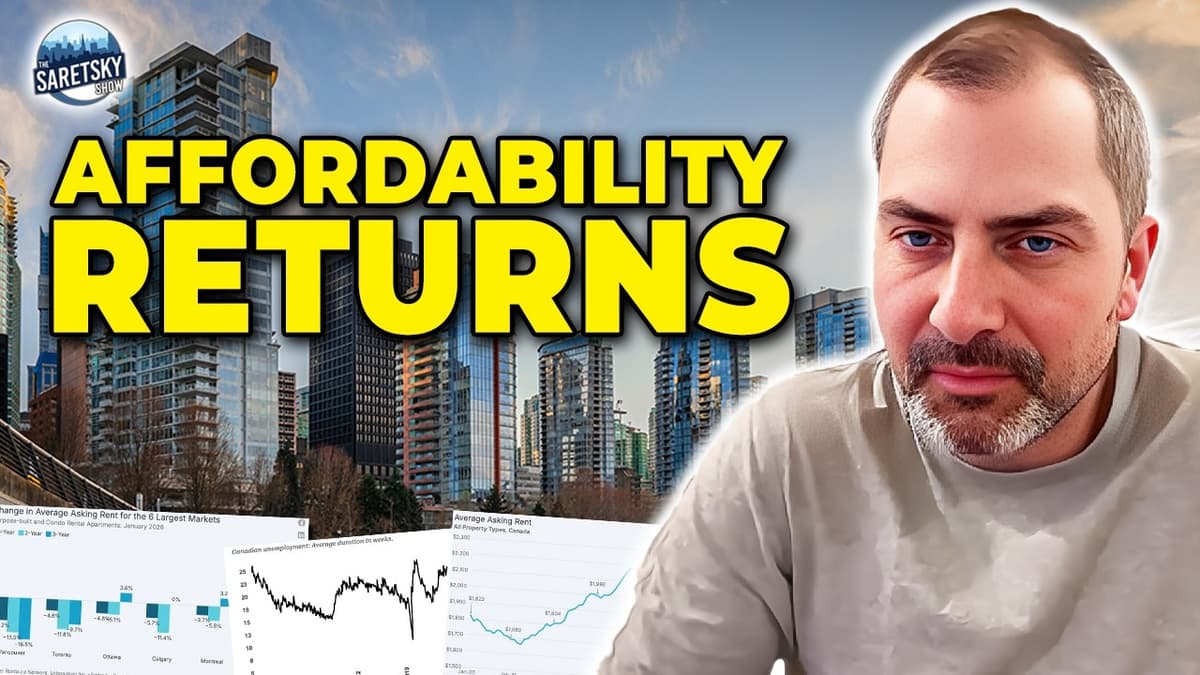
Vancouver Rents Have Fallen 16% Over Three Years
Vancouver’s rental market has softened dramatically, with average rents dropping 16% over the past three years. The city’s vacancy rate has surged to a three‑decade high, reflecting a broader 16‑month rent‑decline trend across Canada. Analysts link the slowdown to heightened...
By Steve Saretsky

Video•Feb 9, 2026
Vancouver & Toronto Real Estate Market Update February 2026
Vancouver and Toronto housing markets entered 2026 with a sharp slowdown, as home sales fell more than 20% year‑over‑year. Rising inventory and cautious buyers are pushing prices lower across multiple segments. The market’s direction now hinges on interest‑rate expectations, with...
By Steve Saretsky