
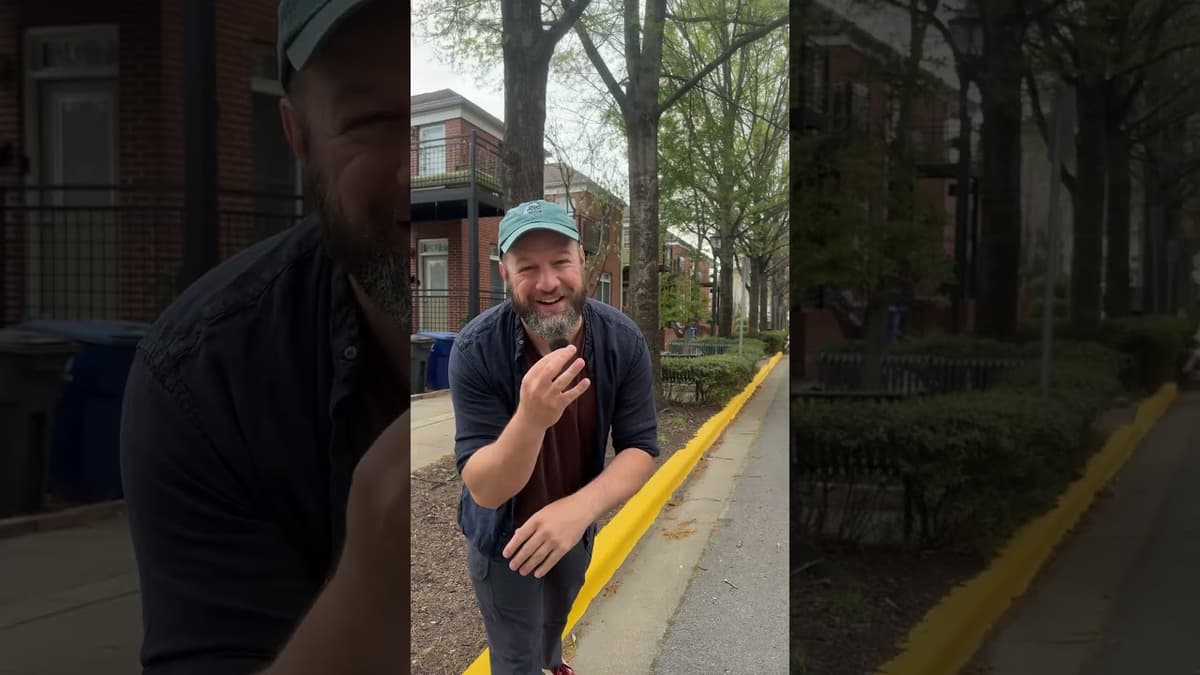
Every Street Needs This
The video spotlights a grassroots effort to boost urban tree canopy, using a local Rotary Club member, landscape architect Kurt, as a case study. By securing a modest $2,000 grant—later expanded to $5,000—Kurt partnered with a nursery, volunteer arborists, and a public‑library tool‑loan program to plant trees in private yards and public right‑of‑ways. Kurt’s model demonstrates how trees cut ambient and surface temperatures, act as visual traffic‑calmers, and absorb storm‑water, delivering measurable environmental benefits. To date, his volunteers have installed over 100 trees and aim for 70 more this year, backed by a larger loan to sustain the initiative. The process is deliberately low‑barrier: a simple online form, on‑site training from arborists, and a 15‑minute YouTube tutorial empower any resident to identify a planting spot, consult a nursery for native species, and coordinate with utilities. This hands‑on approach not only greening streets but also creates spontaneous neighbor interactions during planting and maintenance. For cities, replicating this template can accelerate canopy restoration without heavy municipal spending, while fostering community cohesion and climate resilience. Residents gain a tangible, repeatable action that improves livability and builds social capital.
$300 Million for MORE Lanes?? But BILLIONS Needed for Crumbling Roads??
The video examines the stark disparity between the $300 million allocated to the I‑75/I‑24 interchange in Chattanooga and the billions required to repair the state’s deteriorating road network, questioning current funding priorities. It explains that most federal transportation dollars are earmarked for...
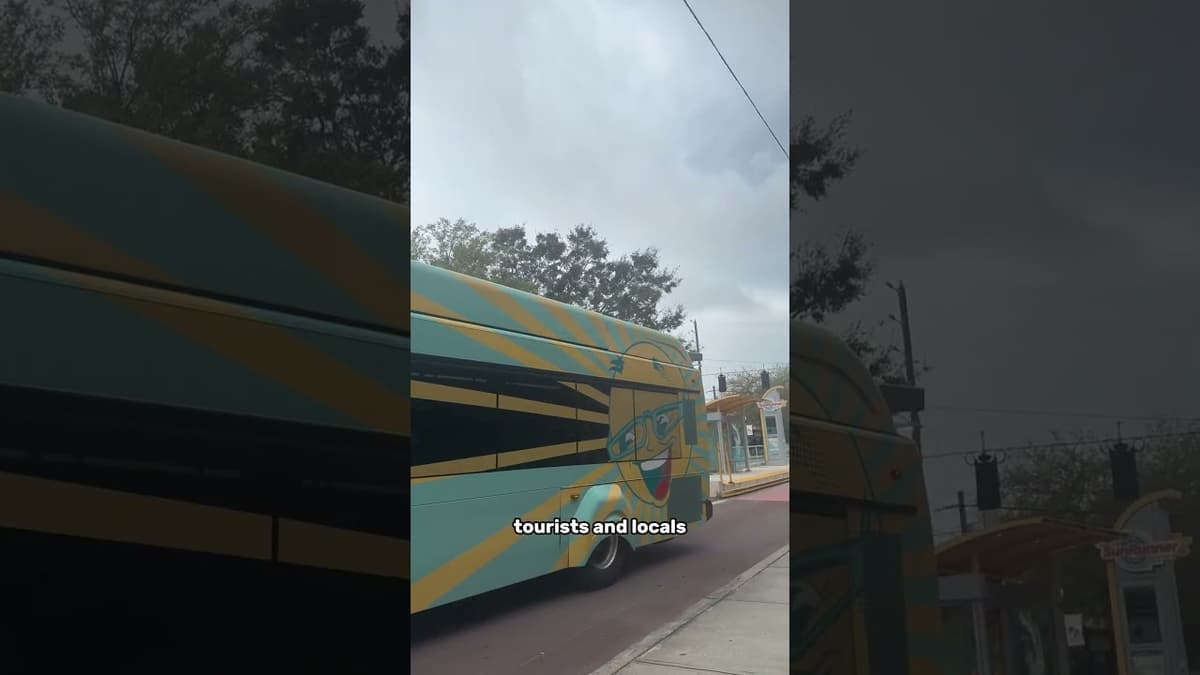
I Walked 100K Steps in One City
The video documents a 100,000‑step, 18‑hour walk through St. Petersburg, Florida, using the trek as a street‑level audit of the city’s urban fabric. The narrator notes continuous sidewalks along Central Avenue, a corridor lined with diverse small‑business storefronts that encourage foot...
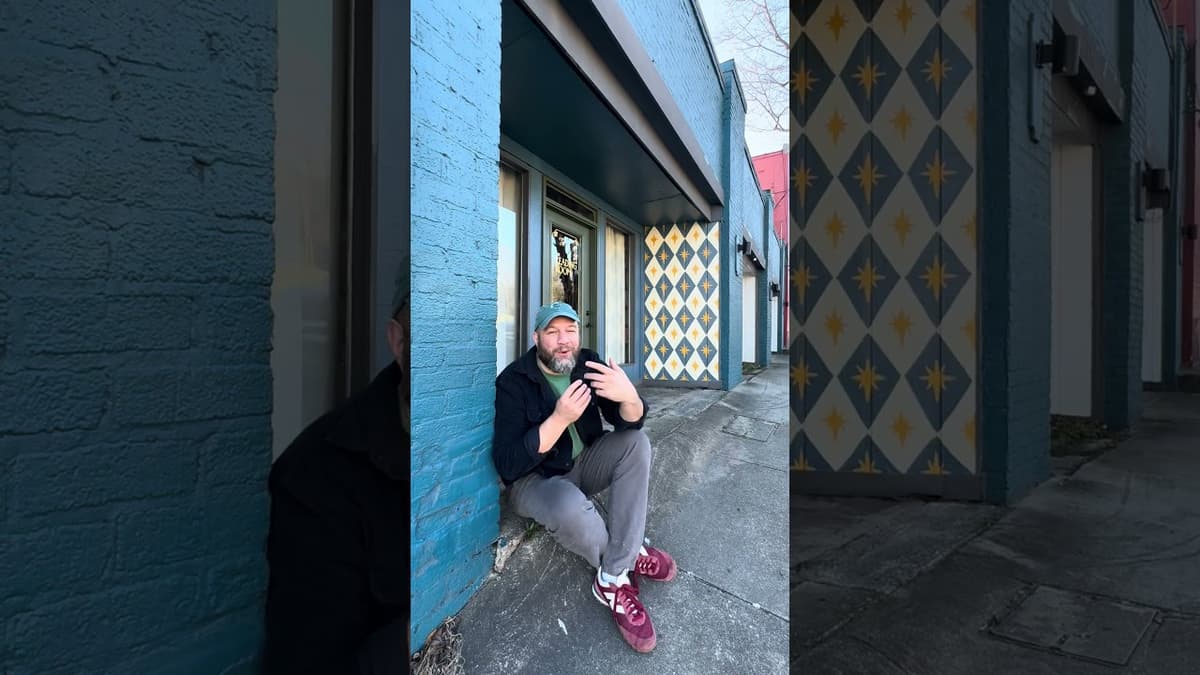
Small Shops Over Big Buildings (Here’s Why)
The video argues that small retail units are far more adaptable and resilient than large, purpose‑built structures when neighborhoods undergo development. It points out that tiny storefronts can be re‑tenanted within months—citing a former Taco Bell turned wing restaurant, a Wendy’s...
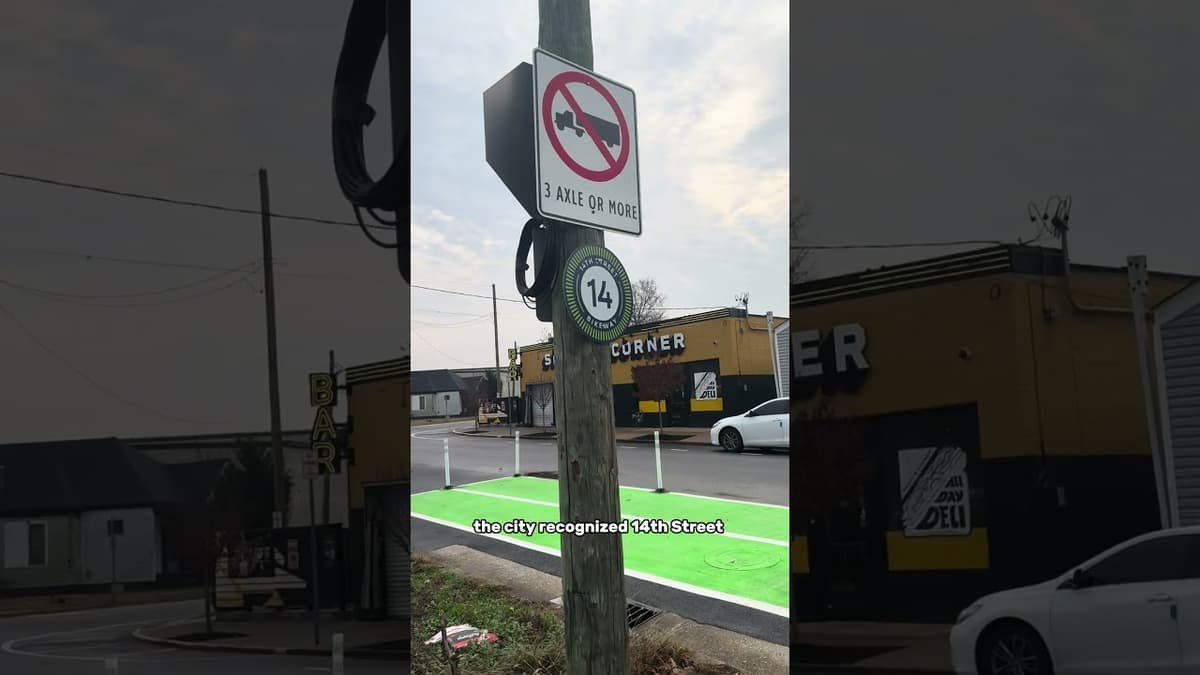
Main Street Is Dangerous
The video highlights Chattanooga’s Main Street, a bustling commercial corridor that lacks dedicated bike lanes and sees vehicles traveling at high speeds, creating a hazardous environment for pedestrians and cyclists, especially children. In contrast, the parallel 14th Street—residential, slower‑moving, and already...
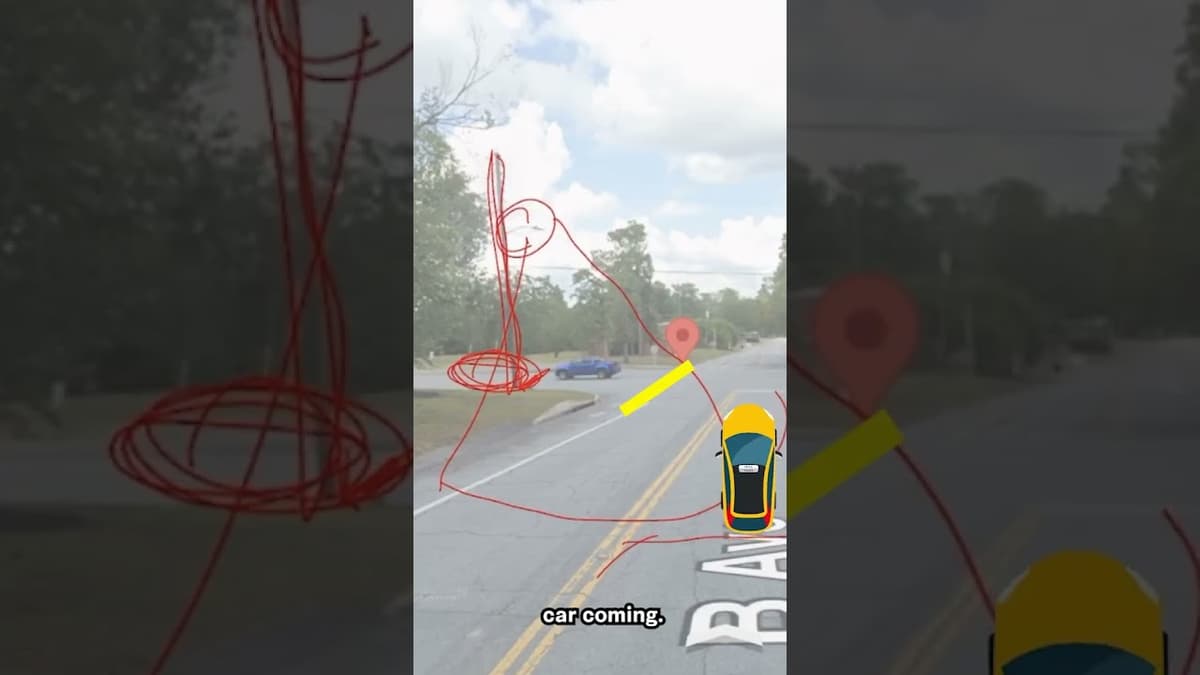
Why This Intersection Is Dangerous
The video examines a problematic intersection on B Avenue, highlighting how visual obstructions, lane geometry, and lighting combine to create safety hazards for motorists and pedestrians. The presenter notes that overgrown trees hide the stop sign, while the intersection’s wider approach...
Highways Are Done. Now What?
The video argues that America’s massive highway construction era has ended and the nation must confront a looming financing crisis. The Highway Trust Fund, funded primarily by the gas tax, is projected to run a deep deficit after 2026, while...
What Comes After the Interstate Era? | New Report
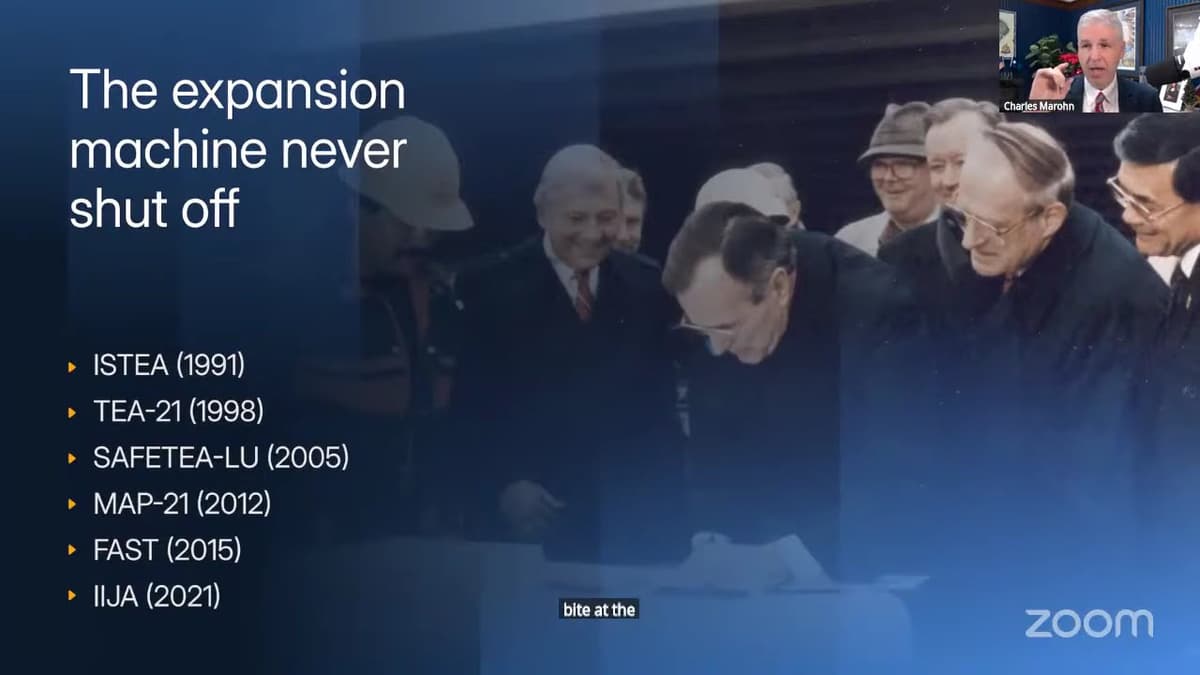
Strong Towns released a “Mission Accomplished” report urging an end to highway expansion now that the interstate building era is complete. Founder Chuck Marone presented the findings, emphasizing that the nation must shift from constructing new auto‑centric corridors to maintaining...