
Recent Posts
Video•Feb 25, 2026
Manifest Vegas | John Kirkman, CBRE, on Real Estate in Supply Chain
John Kirkman of CBRE opened the Manifest Vegas session by emphasizing that a company’s real‑estate portfolio is the structural backbone of modern supply‑chain execution. He framed the discussion around how occupiers and investors must rethink location strategy in light of evolving logistics challenges and the growing importance of data‑rich network studies. Kirkman argued that while network studies are not new, enriching them with granular data—such as power demand forecasts and emerging data‑center footprints—creates a far more robust strategic model. He cautioned that AI and automation tools tend to be backward‑looking, relying on the parameters fed to them; therefore, human oversight remains essential to adjust those parameters as market conditions shift. A memorable quote from the talk was, “AI and automation look backwards; you need a human at the control to say this is my portfolio of risk and this is how I’ll manage the opportunity.” He also highlighted the need to anticipate megawatt requirements for facilities, ensuring that future power availability aligns with growth plans. The session served as a reunion for long‑standing industry contacts, underscoring the value of sustained relationships in tracking client evolution. For supply‑chain leaders, the takeaway is clear: integrate data‑driven network analyses, maintain active human governance over AI tools, and prioritize power infrastructure when selecting sites. Those who do so can mitigate risk, capture cost efficiencies, and position their real‑estate assets as competitive advantages in a volatile logistics landscape.
By SupplyChainDigital
Video•Feb 20, 2026
Mastering Decision Intelligence in Volatile Supply Chains | Andy Kohm, SCIP at Manifest 2026
Andy Kohm, CEO and co‑founder of Skip, opened the session by framing decision intelligence as the missing link in today’s volatile supply chains. He described Skip as a supply‑chain intelligence platform that overlays existing legacy systems—ERP, PLM, S&OP—and aggregates every...
By SupplyChainDigital
Video•Feb 20, 2026
Manifest Vegas | Prabhat Pinnaka on AI in Supply Chain
The video highlights a discussion at the Manifest Vegas conference where Prabhat Pinnaka emphasizes the accelerating impact of artificial intelligence on supply‑chain operations and the role of the Institute for Supply Chain Advancement (ISCA) in up‑skilling the workforce. Pinnaka notes that...
By SupplyChainDigital
Video•Feb 19, 2026
Manifest | Interview with Ryan Kalisky, WareMatch, on 3PL Digital Marketing
The interview spotlights WareMatch, a tech startup founded by Ryan Kalisky and Ben, which aims to modernize how third‑party logistics providers (3PLs) market their services. Kalisky likens the platform to a "Shopify for 3PLs," offering a digital storefront that lets...
By SupplyChainDigital
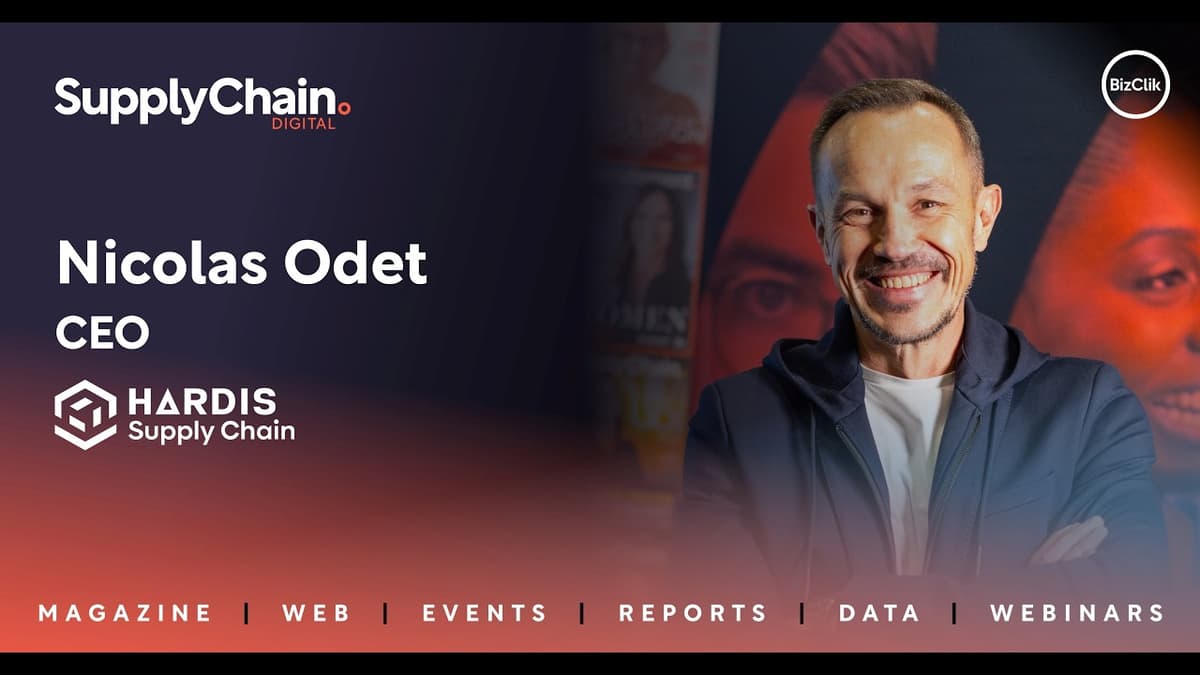
Video•Feb 19, 2026
Manifest | Nicolas Odet, Hardis Group, on AI-Driven Supply Chain Optimisation
Hardis Group President Nicolas Odet warned that AI alone adds little value without a deep grasp of supply‑chain processes. The company’s strategy centers on operational intimacy, configuring AI‑driven software only after thorough collaboration with customers. Hardis’ visibility platform links WMS,...
By SupplyChainDigital
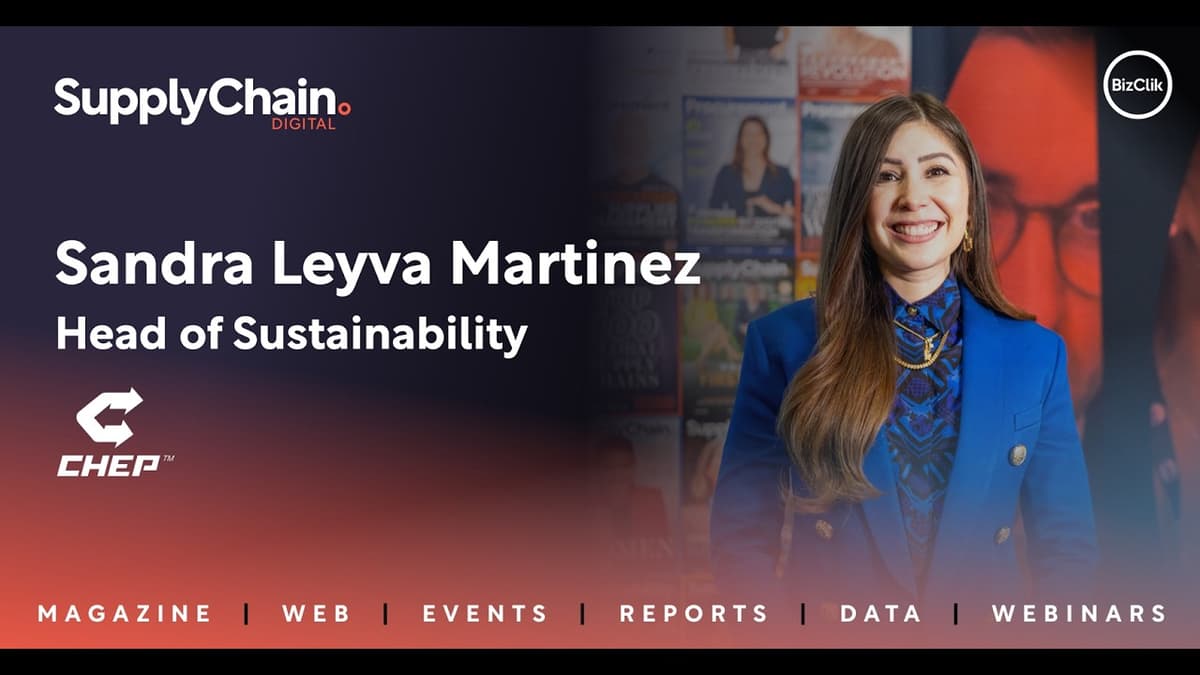
Video•Feb 19, 2026
Manifest Vegas | Sandra Leyva Martinez, CHEP, on the Evolution of Circular Supply Chains
Sandra Leyva Martinez, Head of Sustainability for the Americas at CHEP, outlined how the company is accelerating the shift from linear to circular logistics through deforestation‑free timber sourcing, zero‑product‑waste redesign, and advanced digital traceability. She highlighted CHEP’s 2025 sustainability milestones...
By SupplyChainDigital
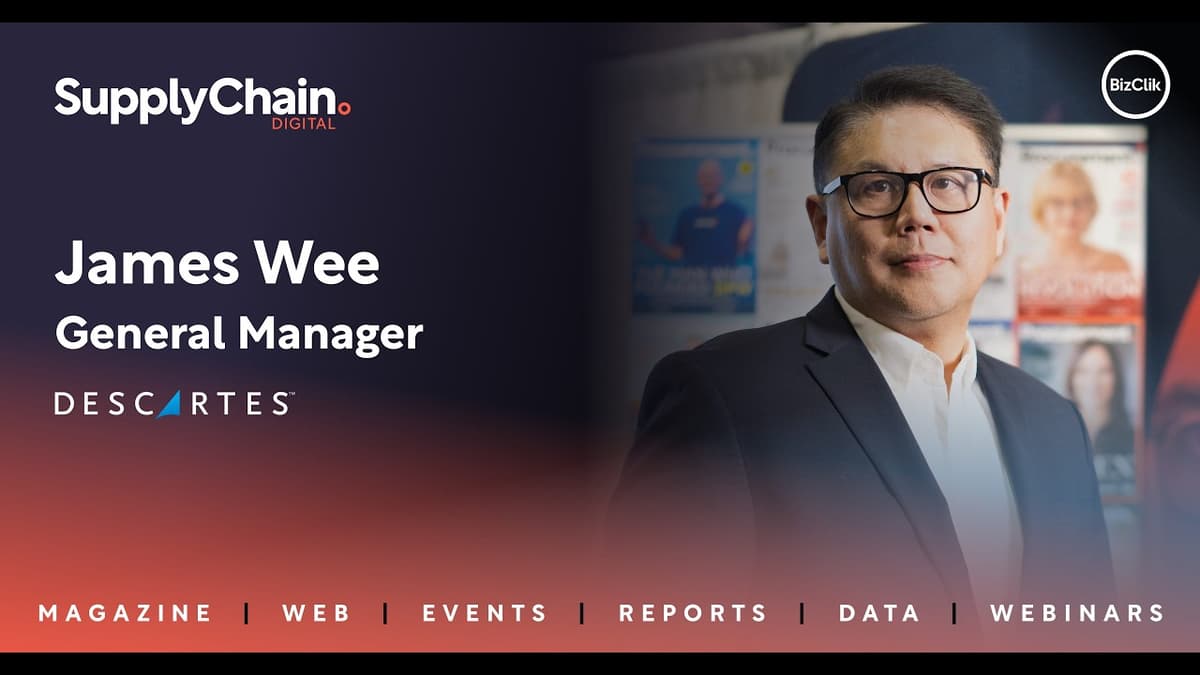
Video•Feb 19, 2026
Manifest Vegas | James Wee, Descartes on Execution-Aware Platforms for Last Mile Logistics
James Wee, General Manager of Descartes Fleet Solutions, emphasized that execution‑aware platforms are becoming the gold standard for last‑mile logistics. He described how real‑time execution data must feed back into planning, creating a continuous feedback loop that eliminates decision latency...
By SupplyChainDigital
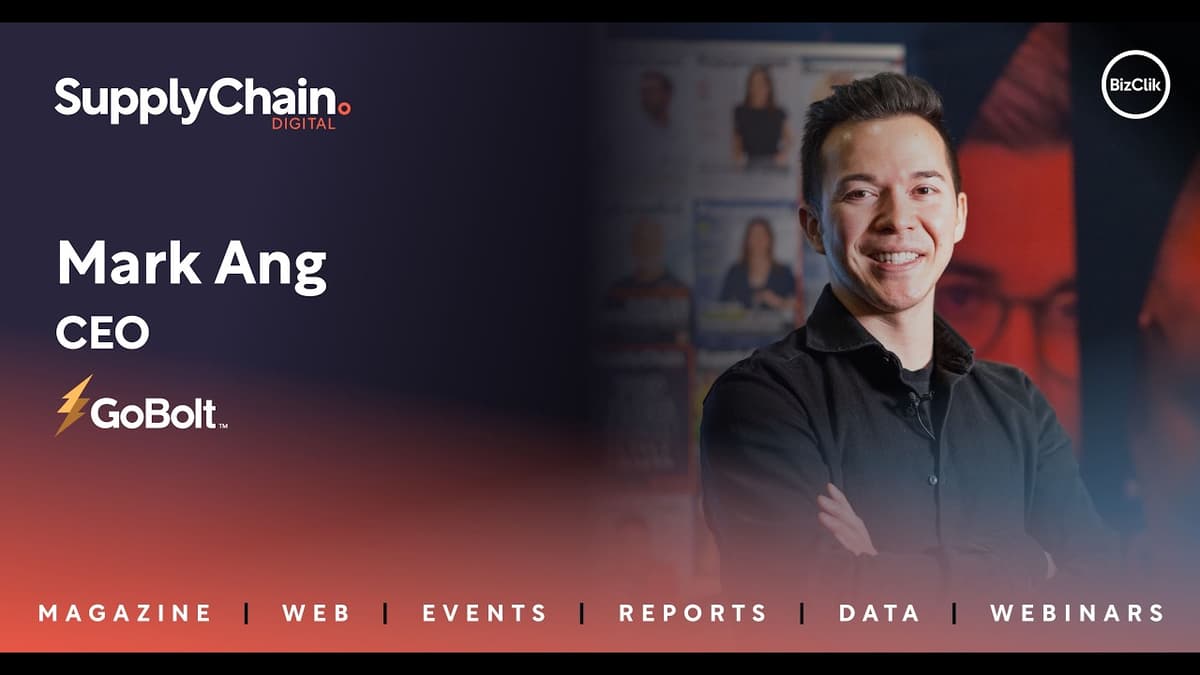
Video•Feb 18, 2026
Manifest| Mark Ang, GoBolt, on Moving From Cost Centre to Customer Experience
Mark Ang, CEO of GoBolt, argues that logistics should be treated as a customer‑experience lever rather than a mere cost centre. By unifying technology, warehouses, and a proprietary AI routing engine, GoBolt delivers real‑time visibility and carbon‑efficient deliveries for brands...
By SupplyChainDigital
Video•Feb 18, 2026
Manifest Vegas | Karolina Smith, RateRunners, on Supply Chain Invoice Reconciliation
Karolina Smith of RateRunners explains why quoted shipping rates often diverge from final invoices, citing carrier dimensions, weight, and variable fees. She highlights a case where a client uncovered $200,000 in unexpected residential surcharges within a single week. RateRunners’ platform...
By SupplyChainDigital
Video•Feb 18, 2026
Manifest Vegas | Dan Keto, Easy Metrics, on Warehouse Performance Management
At Manifest Vegas, Easy Metrics co‑founder Dan Keto explained how distribution centers are moving from simple labor tracking to a holistic, engineering‑driven Warehouse Performance Management model. He emphasized that the proliferation of robotics and siloed software creates a fragmented data...
By SupplyChainDigital
Video•Feb 17, 2026
Manifest Vegas | Cam Myers, CreateMe Technologies on Onshore Automation and AI-Powered Robotics
CreateMe Technologies, led by Cam Myers, is deploying AI‑driven robotics to automate soft‑material handling, a long‑standing barrier in apparel manufacturing. By pairing machine‑learning perception with a custom robotic stack, the firm replaces traditional stitching with high‑speed adhesive bonding. This enables...
By SupplyChainDigital
Video•Feb 17, 2026
Manifest Vegas | Chris Cutshaw, C.H. Robinson on Supply Chain Strategy with AI-Powered Solutions
C.H. Robinson’s commercial product leader Chris Cutshaw highlighted how the company’s AI‑driven, data‑rich platform is shifting logistics from a purely tactical function to a strategic advantage. By leveraging a network of 450,000 carriers and millions of data points, the firm...
By SupplyChainDigital
Video•Feb 16, 2026
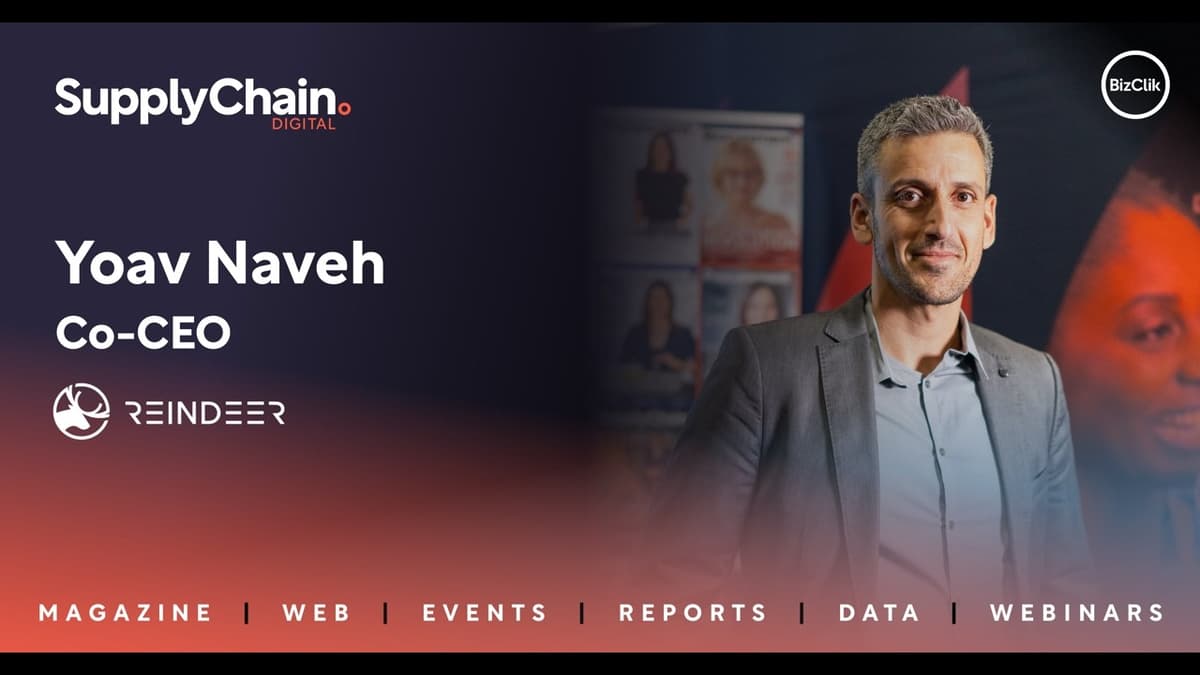
Interview with Yoav Naveh, Reindeer, on AI in the Supply Chain
Yoav Naveh, senior executive at Reindeer, warns that the next 18 months are decisive for freight forwarders and broader supply‑chain firms to embed AI or risk losing market leadership. He describes AI as a company‑wide imperative, moving beyond pilot projects...
By SupplyChainDigital
Video•Feb 16, 2026
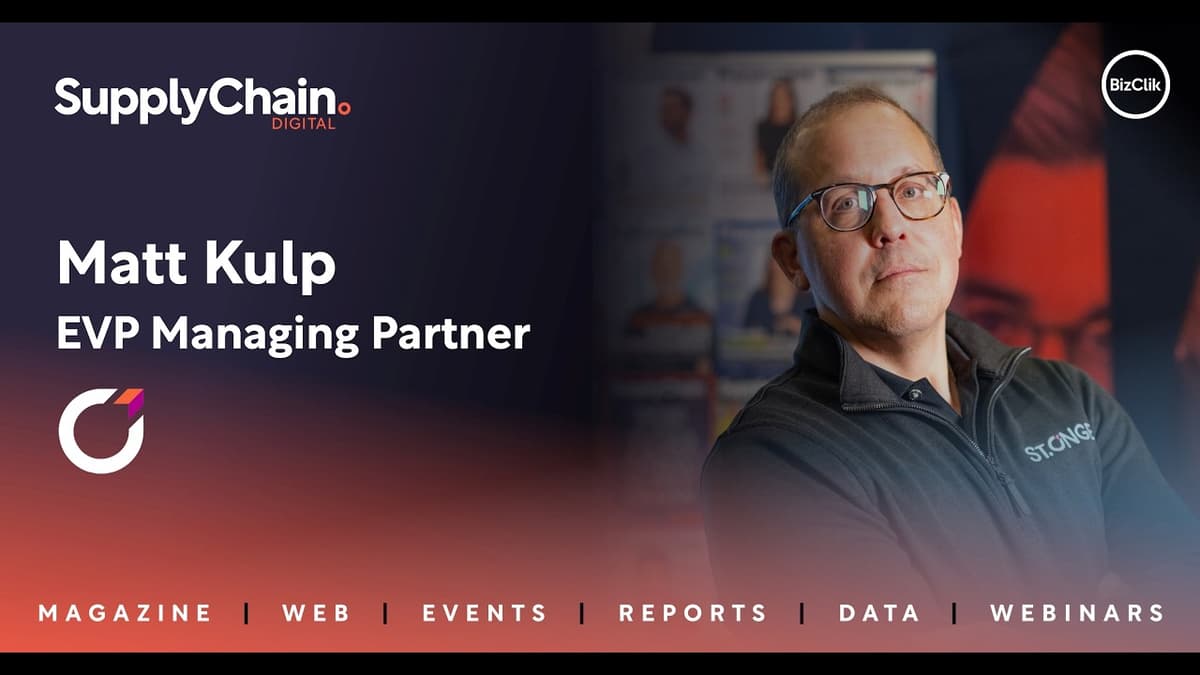
Manifest | Matt Kulp, St Onge on AI-Ready Supply Chains & Vendor-Agnostic Strategy
St. Onge Company warned that supply‑chain AI projects fail without clean data and disciplined processes, emphasizing that AI readiness precedes tool deployment. The firm, a vendor‑agnostic consulting practice, stresses independent, strategic advice over software sales. A real‑world case study showed...
By SupplyChainDigital