
Do Renters Pay Property Taxes
The video tackles the common belief that renters don’t pay property taxes, clarifying that while they never write a check to the municipality, the cost is embedded in rent. Landlords are legally responsible for the tax bill, but empirical evidence shows a substantial portion of that expense is passed to tenants. When property tax assessments rise, rent growth typically follows, albeit with a short lag, and over time the increase is largely absorbed by renters. The presenter cites examples where states classify rental units as commercial property, subjecting them to higher effective tax rates. He also notes policy proposals that offer tax relief exclusively to homeowners, leaving renters to shoulder the full burden. This dynamic means that tax‑relief measures that ignore renters may exacerbate housing affordability challenges, and policymakers must consider the indirect tax load on tenants when designing equitable fiscal reforms.
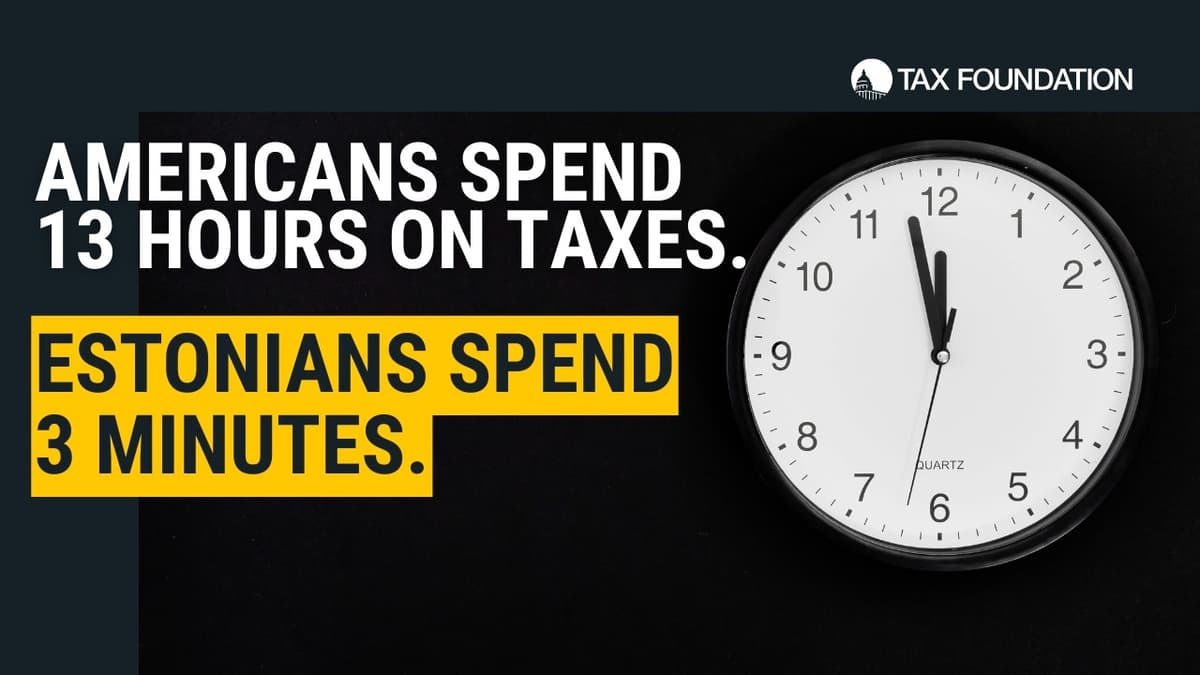
Why Filing Taxes Feels Easy in Estonia (and Impossible in America)
The video contrasts Estonia’s ultra‑streamlined tax filing system with the United States’ notoriously cumbersome process. In Estonia, a flat 22% rate, fully digital government‑linked databases, and pre‑filled returns allow 99% of the 1.3 million citizens to file online in about three...
Remote Work and State Taxes: What You Need to Know | The Deduction
The Tax Foundation podcast examines how the surge in remote work has exposed outdated state income‑tax rules. Workers who live in one state but perform duties for an employer headquartered elsewhere can trigger non‑resident filing obligations, creating a maze of...

Should We Abolish Property Taxes? Let’s Do the Math
The video examines proposals to eliminate property taxes, arguing that substitutes such as higher sales or income taxes would impose heavier burdens on residents. It cites Florida’s plan to double the sales tax to nearly 15%, Nebraska’s consumption‑tax estimate rising from...

Should We Tax Artificial Intelligence? | The Deduction
Taxing AI is increasingly part of policy debate, but Tax Foundation analysts argue many proposed levies are premature and potentially redundant because profits from AI are already generally captured by existing corporate taxes. The discussion frames AI’s impact through economic...
Everyone Hates Property Taxes but Getting Rid of Them Could Make Things Worse
Property taxes, though unpopular, are the backbone of local government finance—accounting for about 70% of local tax revenue nationwide and up to 95% in some states. Eliminating them would create a large fiscal hole that must be filled; for example,...
Supreme Court Strikes Down President Trump’s Tariffs
The Supreme Court issued a 6‑3 decision striking down President Trump’s use of the AIPA law to impose tariffs, effectively nullifying the broad tariff regime introduced earlier this year. The ruling reveals that importers have paid an estimated $160 billion in...
Why Tariff Rebates Don’t Work
The video critiques a recent proposal to issue tariff rebates, arguing that the approach fails to address the core problem of consumer and business costs imposed by existing tariffs. The speaker notes that while officials portray tariffs as payments made by...
2026 State Tax Policy Boot Camp | Part 2: Corporate Income Taxes
The Tax Foundation’s State Tax Policy Boot Camp video explains that corporate income taxes, while historically modest, now generate about five percent of state revenues and roughly two percent of overall general funds. Rates differ dramatically across the nation, ranging...
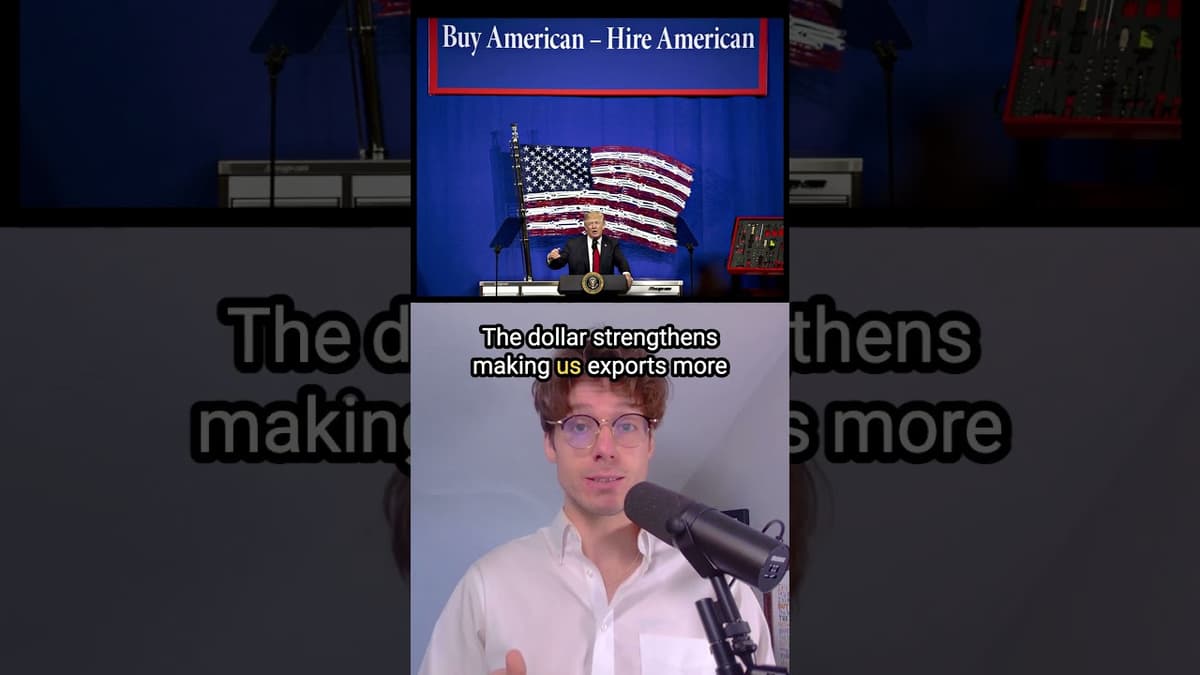
Trump Says Tariffs “Pay Off Later.” History Says Otherwise.
Donald Trump argues that tariffs inflict short‑term pain but will ultimately benefit the United States, a claim he repeats while defending “Buy American” policies. However, a 50‑year study covering 151 countries finds higher tariffs consistently depress wages, eliminate jobs and...