Video•Mar 11, 2026
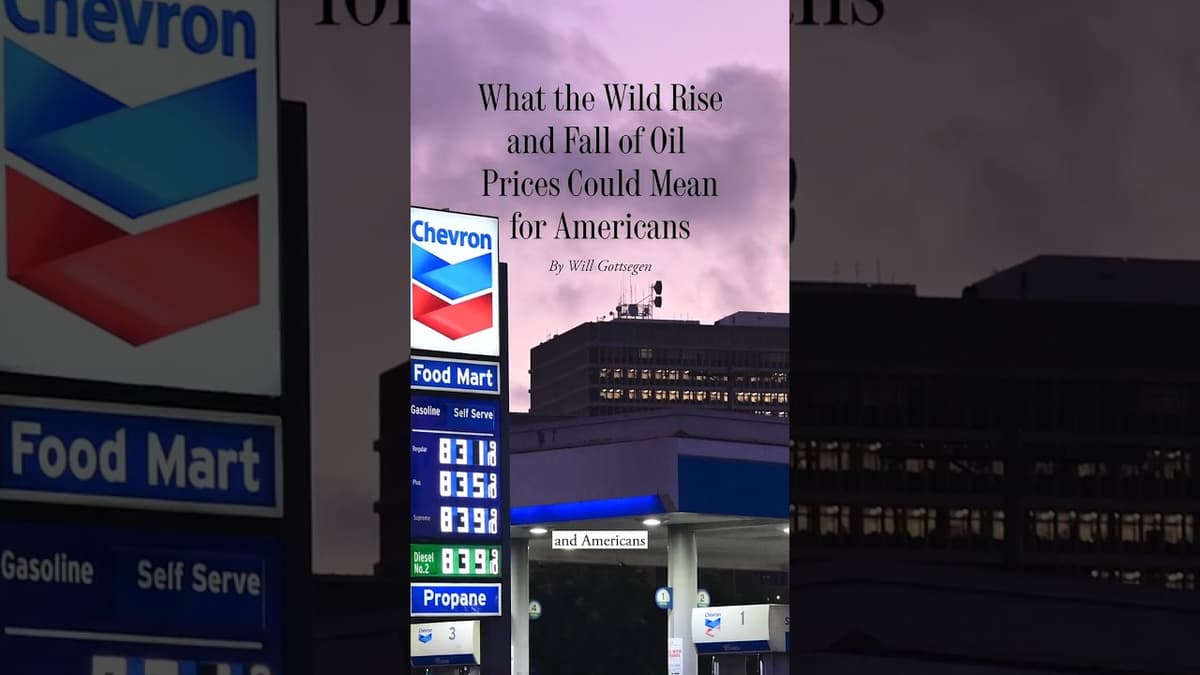
What the Wild Rise and Fall of Oil Prices Could Mean for Americans
The Atlantic’s Will Goten examines the recent turbulence in oil markets sparked by Iran’s threat to close the Strait of Hormuz and the ensuing geopolitical scramble, highlighting how the volatility could quickly translate into higher costs for U.S. consumers.
Over a weekend, Brent crude surged to nearly $120 a barrel before retreating to the mid‑$80s after President Trump suggested the conflict might end sooner. Meanwhile, daily traffic through Hormuz collapsed from an average of 138 vessels to just a handful, leaving millions of barrels idle and amplifying supply‑side uncertainty.
Goten notes that gasoline prices jumped roughly 17 % in the first ten days of the hostilities, a rise that threatens to push travel, grocery and utility bills upward. He also points out that Trump’s campaign pledge to cut foreign interventions now appears at odds with a war that could deepen the cost‑of‑living crisis he vowed to alleviate.
If the tensions persist, American households may face sustained fuel price pressure, prompting broader inflationary effects and potentially reshaping energy policy debates ahead of the 2024 election cycle.