
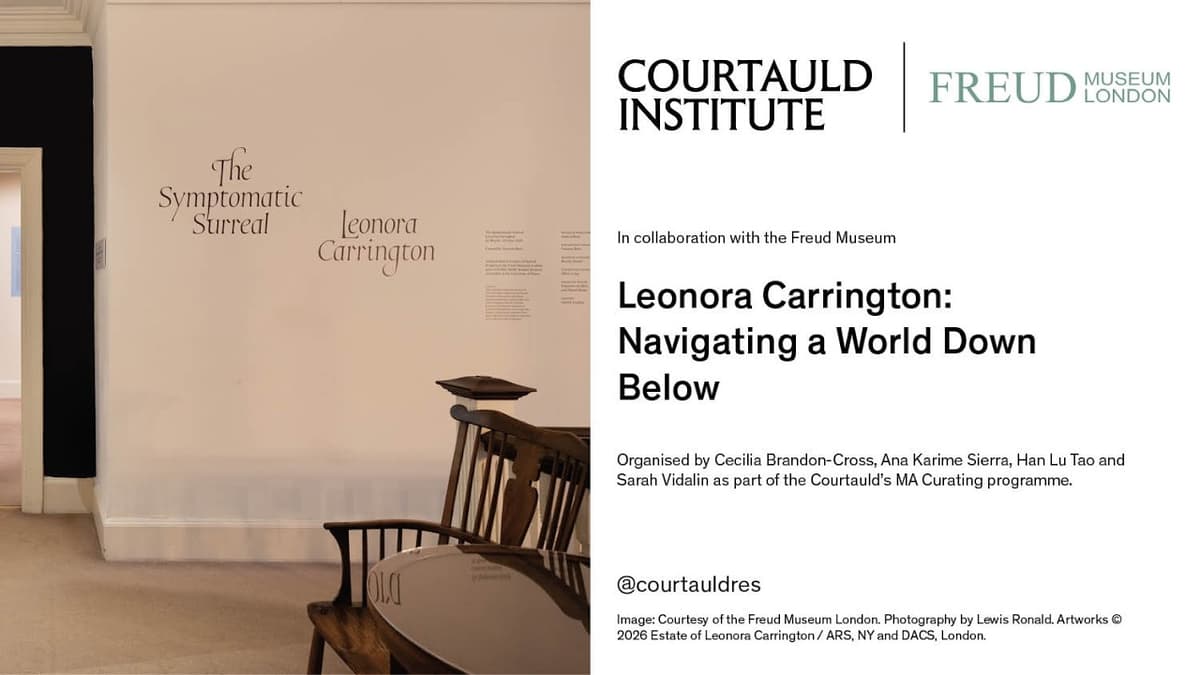
Leonora Carrington: Navigating a World Down Below
The second day of the "Leonora Carrington: Navigating a World Down Below" symposium was organized by four MA curating students from the Portto program in partnership with the Freud (Ford) Museum. Under the mentorship of faculty and museum curators Vanessa Bowie and Tom D. Rose, the students coordinated a full‑day program that blends academic panels, keynote lectures, and performance art, showcasing the institution’s commitment to hands‑on curatorial training. The agenda foregrounds Carrington’s surrealist legacy through an eco‑feminist lens. Highlights include a keynote by Cambridge professor Alice Mon, who will dissect Carrington’s 1961 manifesto and its relevance to contemporary ecological activism, and a series of papers exploring love, trauma, madness, and agency in Carrington’s oeuvre. The symposium also features a commissioned performance by Rose English, "My Mathematics," linking historic surrealist themes to present‑day artistic practice. Speakers cited Carrington’s early eco‑feminist writings, quoting her call for women to control population and reject war as a planetary salvation strategy. The event also referenced a newly uncovered Carrington painting reported in the Guardian and drew parallels between the artist’s apocalyptic visions and current climate anxieties, underscoring the enduring resonance of her work. For emerging curators, the symposium offers a model of interdisciplinary collaboration, public engagement, and real‑world project management. By situating Carrington’s surrealism within urgent ecological debates, the program amplifies both the artist’s relevance and the museum’s role in fostering socially conscious scholarship.
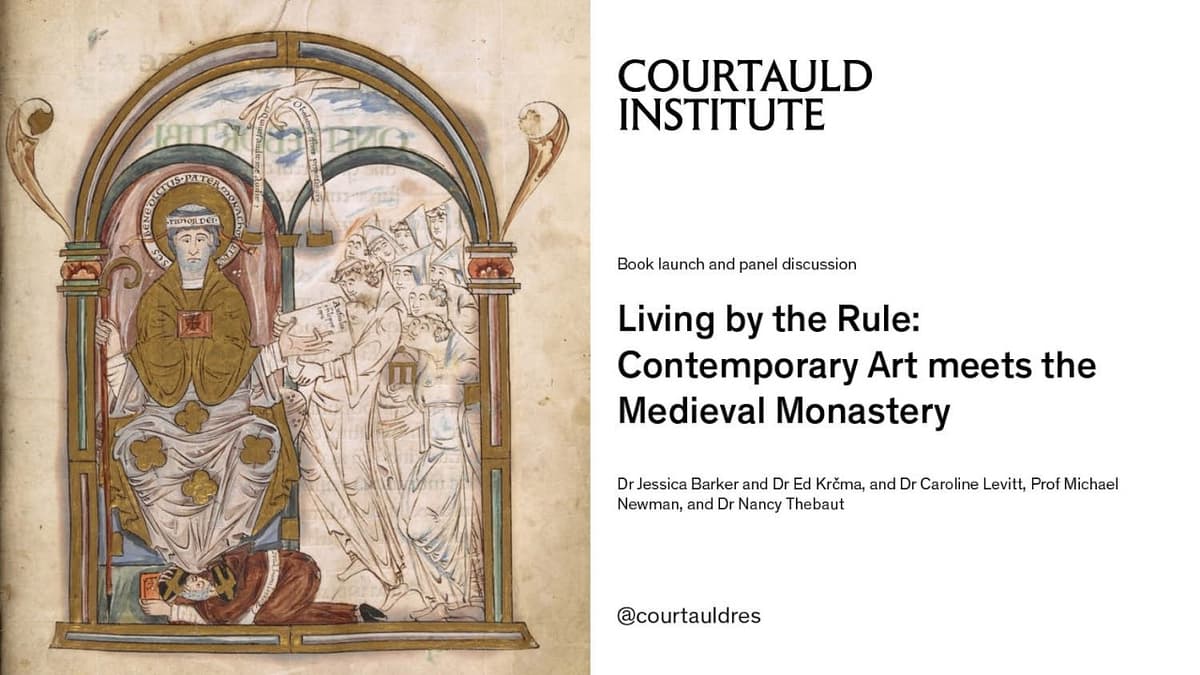
Living by the Rule: Contemporary Art Meets the Medieval Monastery
The event "Living by the Rule" brings together scholars and artists to examine how contemporary life‑optimization movements intersect with the medieval Rule of St. Benedict. Curators Jessica Barker and Ed Kchma present a book and exhibition that juxtapose modern wellness...

Leonora Carrington: Navigating a World Down Below
The second day of the "Leonora Carrington: Navigating a World Down Below" symposium was organized by four MA curating students from the Courtauld, in partnership with the Freud (Ford) Museum. The event built on the museum’s current exhibition, "The...
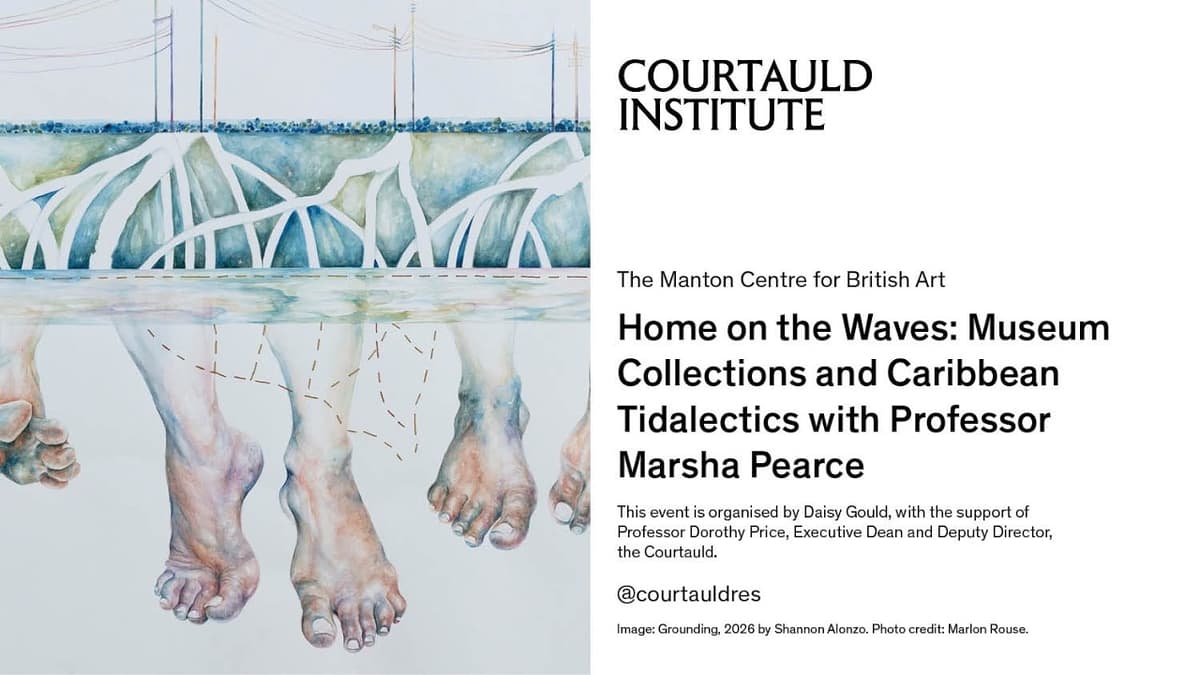
Home on the Waves: Museum Collections and Caribbean Tidalectics with Professor Marsha Pearce
Professor Marsha Pearce’s lecture, “Home on the Waves: Museum Collections and Caribbean Tidectics,” reframes the museum as a living, fluid home for Global Majority artists. Drawing on Caribbean‑rooted philosophies, she introduces the concept of “tidelctic” thinking—a mode that embraces paradox,...
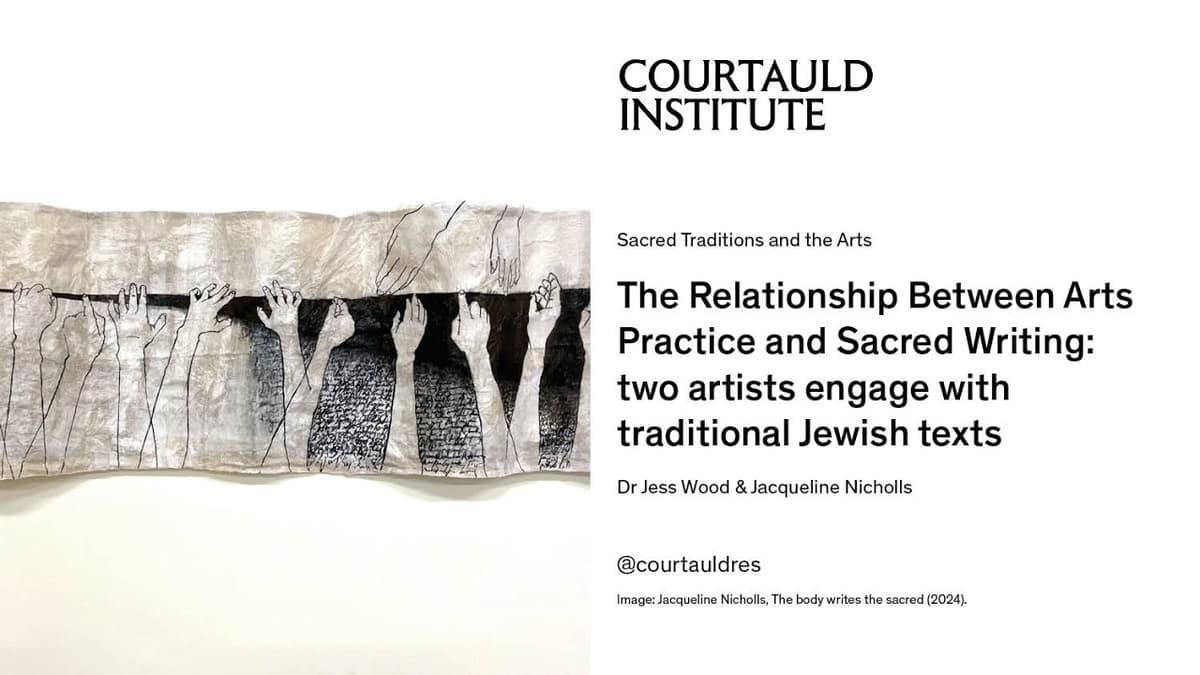
The Relationship Between Arts Practice and Sacred Writing
The closing session of King’s Sacred Commissions in the Arts seminar featured Jess, a visual artist‑scholar, who examined how ceramics and miniature painting can serve as a form of visual exegesis for Hebrew Bible verses. Her talk framed the...
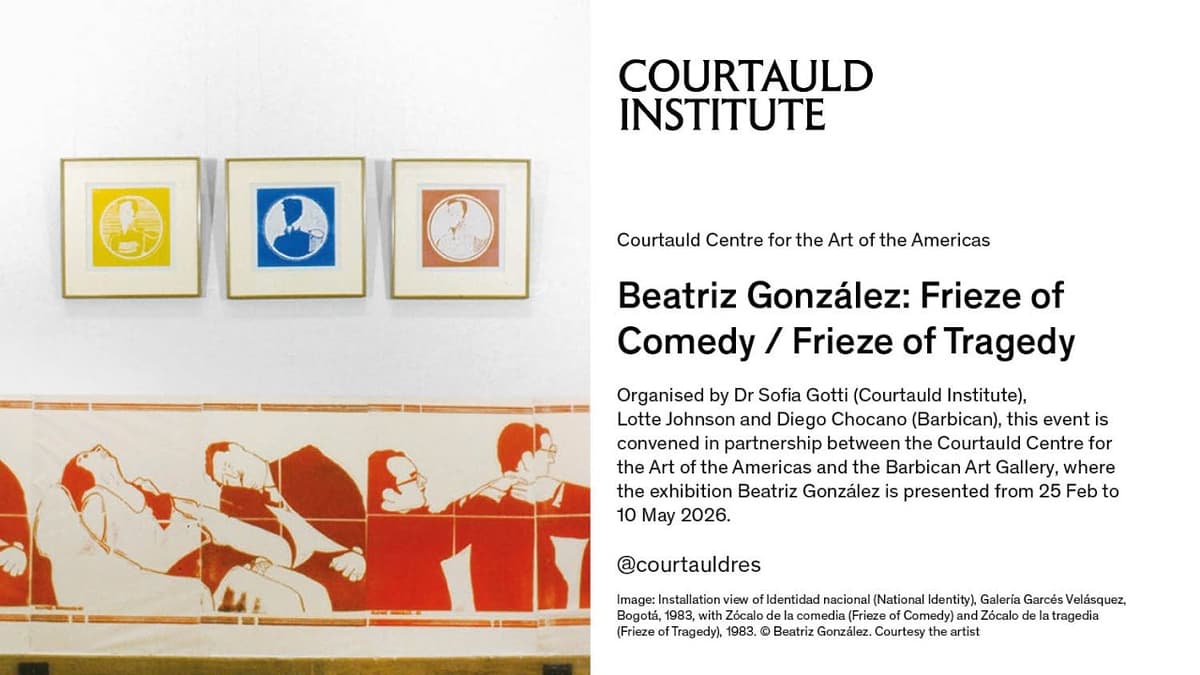
Beatriz González: Frieze of Comedy / Frieze of Tragedy
The Center for the Americas hosted a tribute to Colombian artist Beatriz González, whose retrospective runs through May 10. The program, organized with Barban Art Gallery, marked González’s passing at 93 and centered on her seminal “Frieze of Comedy / Frieze...
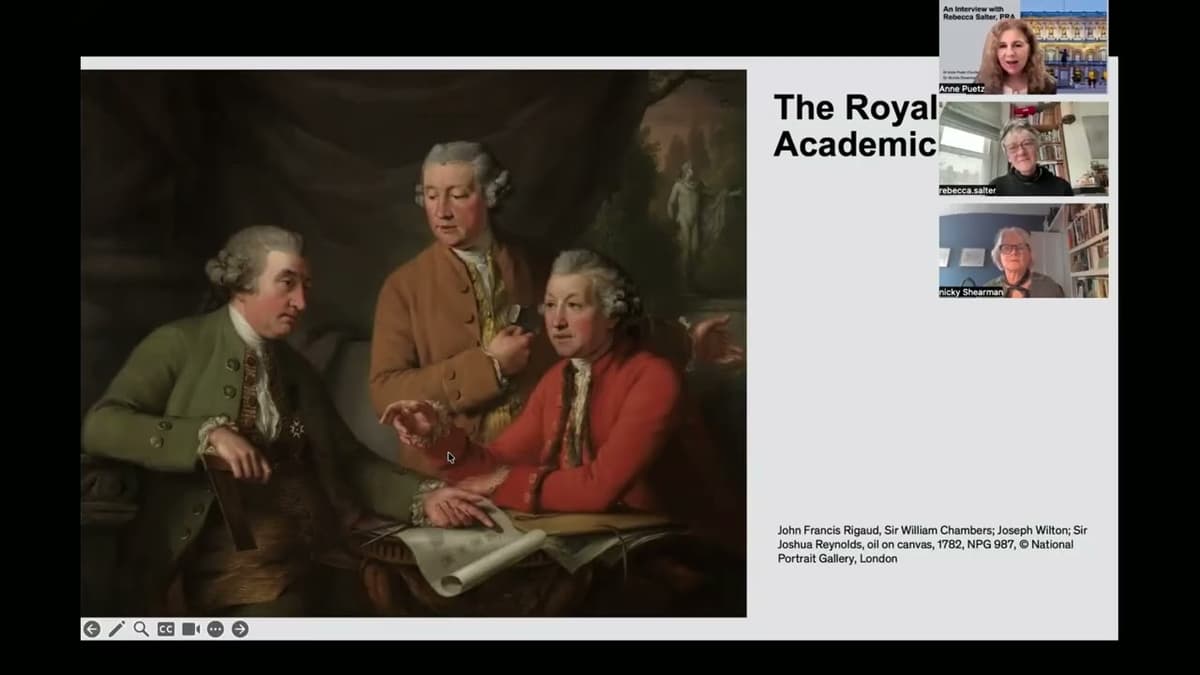
An Interview with Rebecca Salter, PRA
The interview centers on Rebecca Salter, the Royal Academy’s first female president, and her perspective on the institution’s evolution. Elected by her fellow academicians in 2019, Salter balances a governance‑heavy role—chairing council and general assembly—with relentless fundraising and crisis management,...
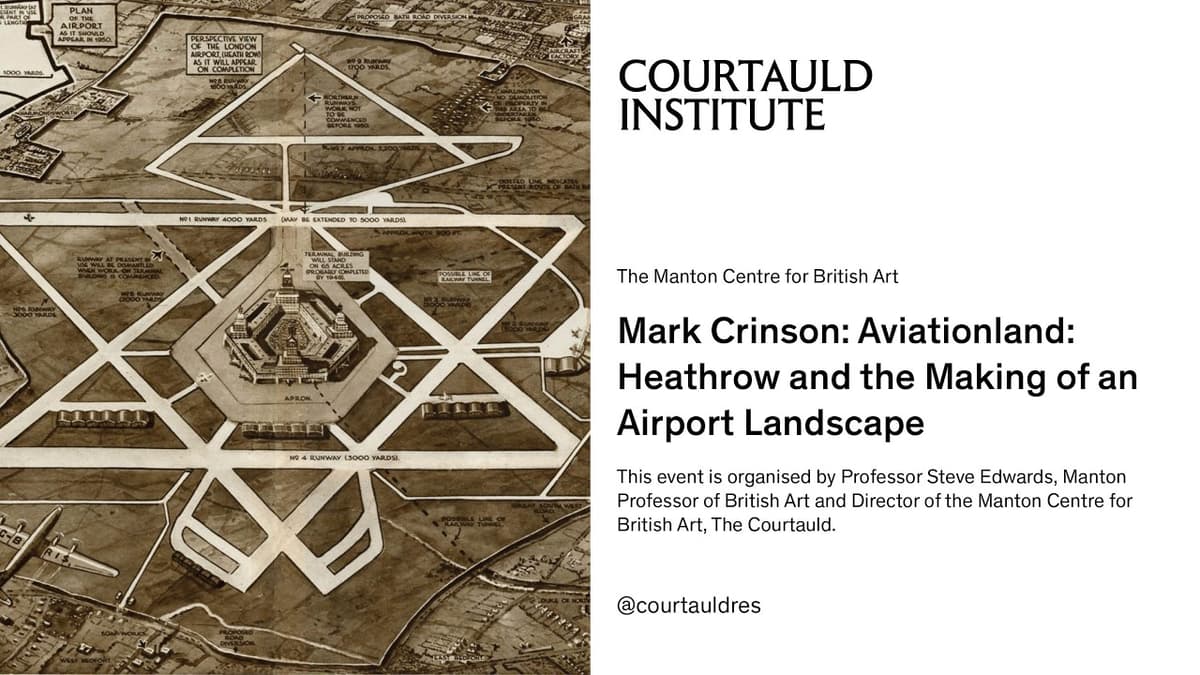
Mark Crinson: Aviationland: Heathrow and the Making of an Airport Landscape
Professor Mark Crinson, emeritus architectural historian, previewed his forthcoming book “Aviationland: Heathrow and the Making of an Airport Landscape” at the Courtauld’s Manton Centre. The work moves beyond a conventional institutional chronicle of Heathrow, positioning the airport within a broader...
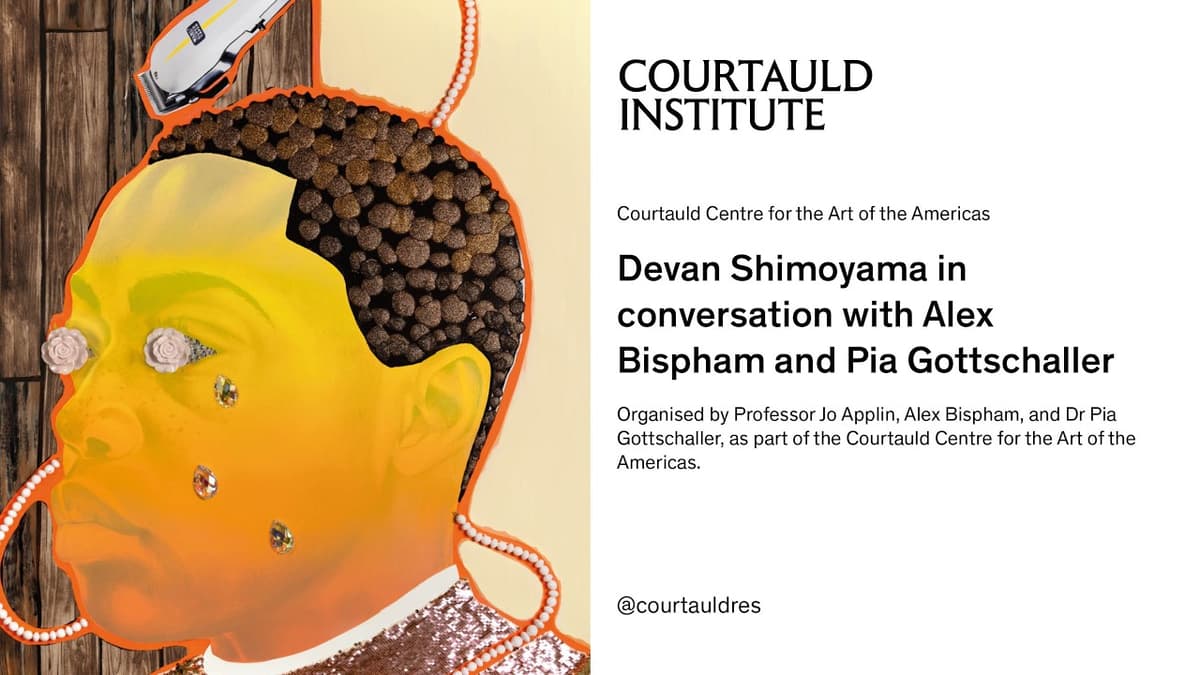
Devan Shimoyama in Conversation with Alex Bispham and Pia Gottschaller
The event, hosted by the CLD Center for the Art of the Americas, featured Devon Shimoyama, a Philadelphia‑born artist now based in Pittsburgh, discussing his practice during a conversation with Alex Bispham and Pia Gottschaller. Shimoyama’s work merges painting, collage, and...
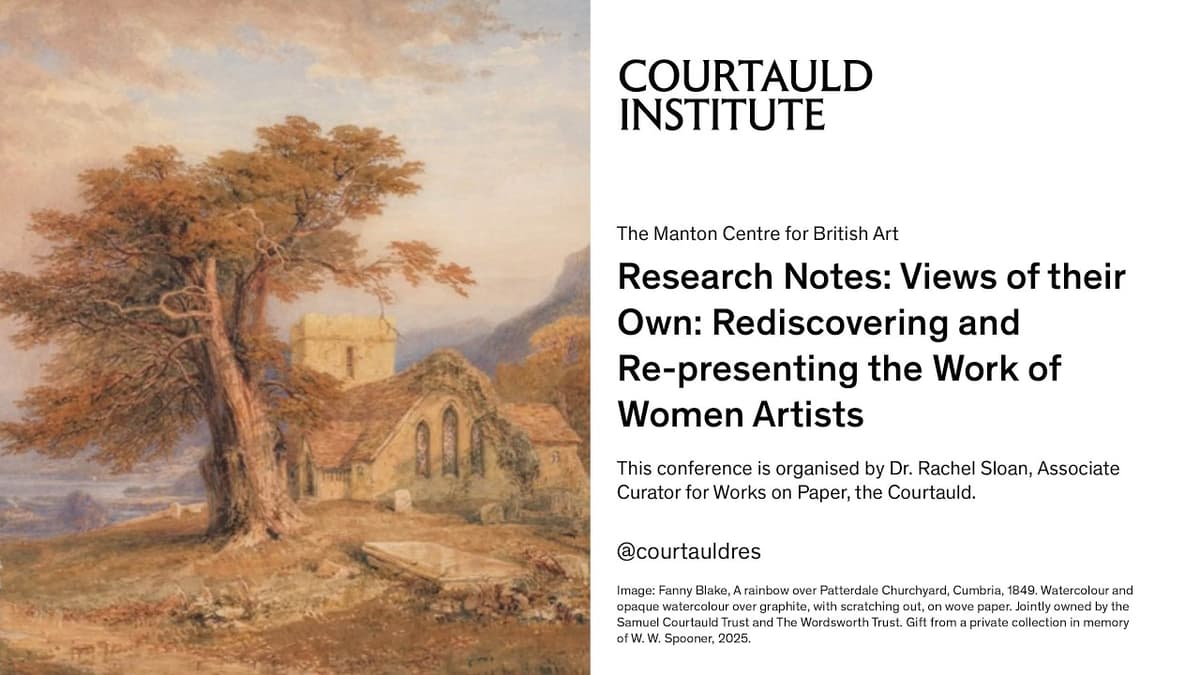
Research Notes: Views of Their Own: Rediscovering and Re-Presenting the Work of Women Artists
The video announces a conference “Views of Their Own” linked to the exhibition “A View of One’s Own” at the Portal Gallery, Somerset House, which brings together scholars, curators and artists to reassess British women landscape painters from 1760‑1860 and...
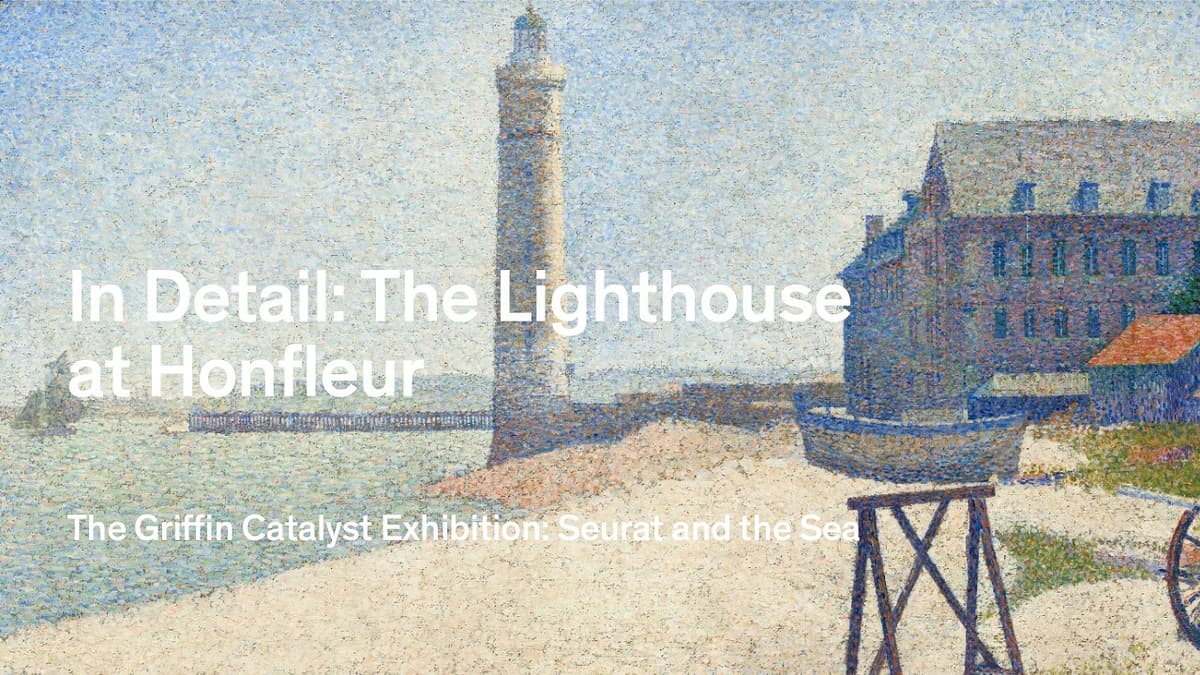
Seurat's The Lighthouse at Honfleur | The Griffin Catalyst Exhibition: Seurat and the Sea
The Griffin Catalyst exhibition spotlights Georges Seurat’s 1884 canvas “The Lighthouse at Honfleur,” a coastal view that had become a postcard staple. By placing the lighthouse and its surrounding elements at the extreme edge of the frame, Seurat reinterprets a...
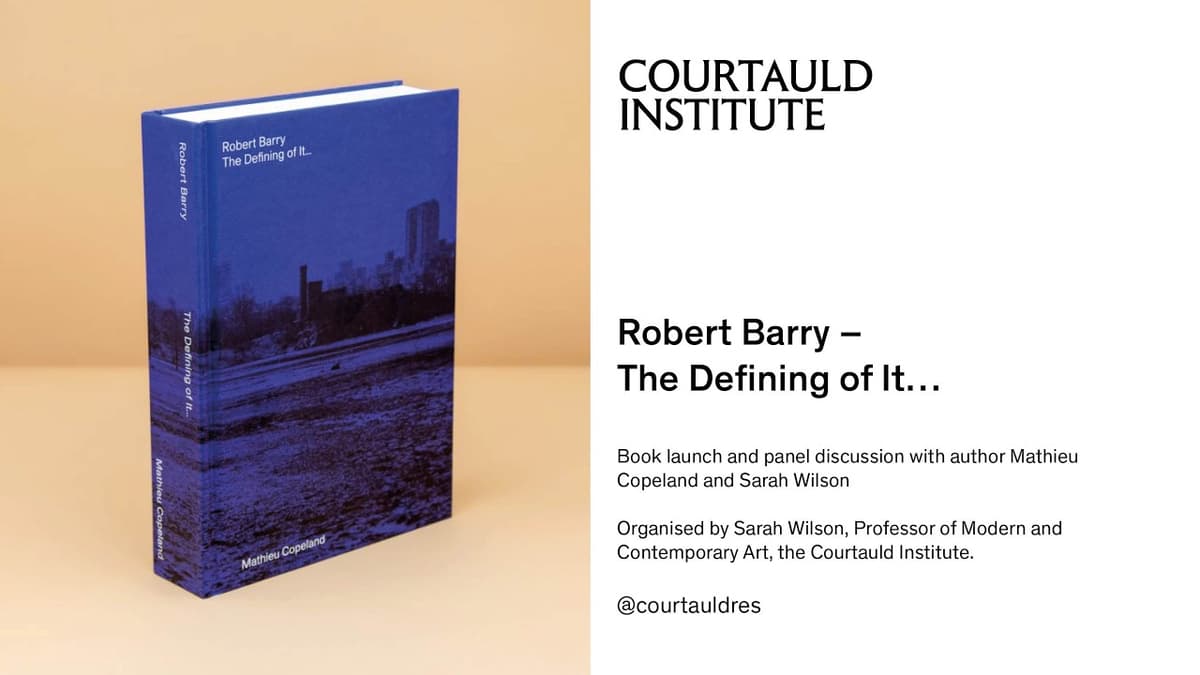
Robert Barry – The Defining of It…
The evening marked the launch of a richly illustrated volume on Robert Barry, the 90‑year‑old pioneer whose work bridges minimalism and conceptual art. Hosted by the research forum, the event featured introductions from leading scholars—including Terry Smith, Slade Professor at Cambridge—and artists...

Picturing Landscape in an Age of Extraction
The evening celebrated Stephanie O. Rock’s new monograph, *Picturing Landscape in an Age of Extraction* (University of Chicago Press), which situates European art history within the environmental and colonial economies of 1780‑1850. Rock argues that late‑eighteenth‑ and early‑nineteenth‑century landscape painting...
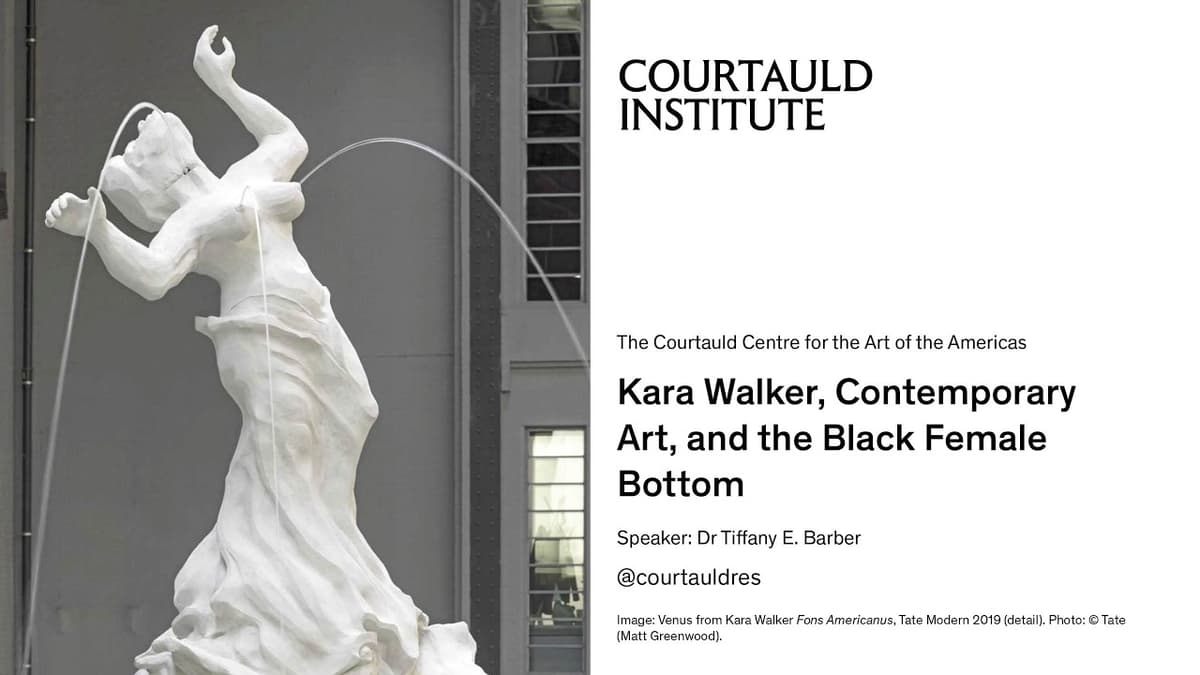
Kara Walker, Contemporary Art, and the Black Female Bottom
In a Courtauld Research Forum talk, UCLA assistant professor Tiffany Barber examined Kara Walker’s recent public sculptures, arguing that they foreground the "Black female bottom" as a site of both abjection and generative power. Drawing on her forthcoming book Undesirability...

Whole in the Part: Medieval Experiments in Transcendence
The seminar introduced Dr. Anna Bergen’s investigation into how late‑medieval artists and mystics compressed the entire created order into tiny, handheld objects. By examining the 1260s Westminster retable’s globe, Julian of Norwich’s hazelnut vision, and intricately carved prayer nuts, Bergen...