The Hated One
Privacy and security commentary exploring surveillance, censorship, and the darker side of technology – offers thought‑provoking video essays that challenge mainstream narratives about cybersecurity and society ([www.linkedin.com](https://www.linkedin.com/pulse/top-20-youtube-channels-cybersecurity-pawan-panwar-hhmsc#:~:text=15)).

What Is the Most Private Messenger? I Ranked Every Messaging App!
The video applies the LINDDUN privacy‑threat framework—Linkability, Identifiability, Non‑Repudiation, Detectability, Data Disclosure, Unawareness, Non‑Compliance—to evaluate every major messaging platform. By breaking each threat into account, usage, and service vectors, the author assigns +/-3 points per vector, producing a composite privacy score for each app. Results show Briar and Cwtch at the pinnacle, earning full points for anonymous accounts, Tor routing, and zero data retention. Signal, while offering strong encryption, loses points for tying accounts to phone numbers and exposing its existence. SimpleXChat and Session score well on anonymity but still leak usage metadata on the public internet. Conventional services—WhatsApp, iMessage, Telegram, SMS—rank at the bottom due to advertising models, mandatory identifiers, and lack of default end‑to‑end encryption. The analysis highlights concrete examples: Signal’s discoverability feature lets anyone probe a phone number for an account; Telegram’s optional E2EE leaves most chats unprotected; Briar’s peer‑to‑peer design means no server‑side logs exist. The author also notes that even “secure” apps can fail non‑repudiation tests when governments demand user data, underscoring the difference between encryption and true deniability. For users and enterprises, the ranking clarifies which messengers truly minimize surveillance risk. Choosing a top‑scoring app like Briar or Cwtch can mitigate metadata collection and comply with stricter privacy regulations, while reliance on mainstream platforms continues to expose communications to advertisers and state actors.

Delete GrapheneOS? We Need to Talk...
The video attacks Wired’s recent piece on GrapheneOS, arguing it distorts the project’s origins and the motives of its founders. It claims the story centers on co‑founder James Donaldson while omitting third founder Dan McCrady, and paints Daniel McKay as...
This Is the Most Anonymous VPN in the World! Interview with NYM VPN Alexis Roussel
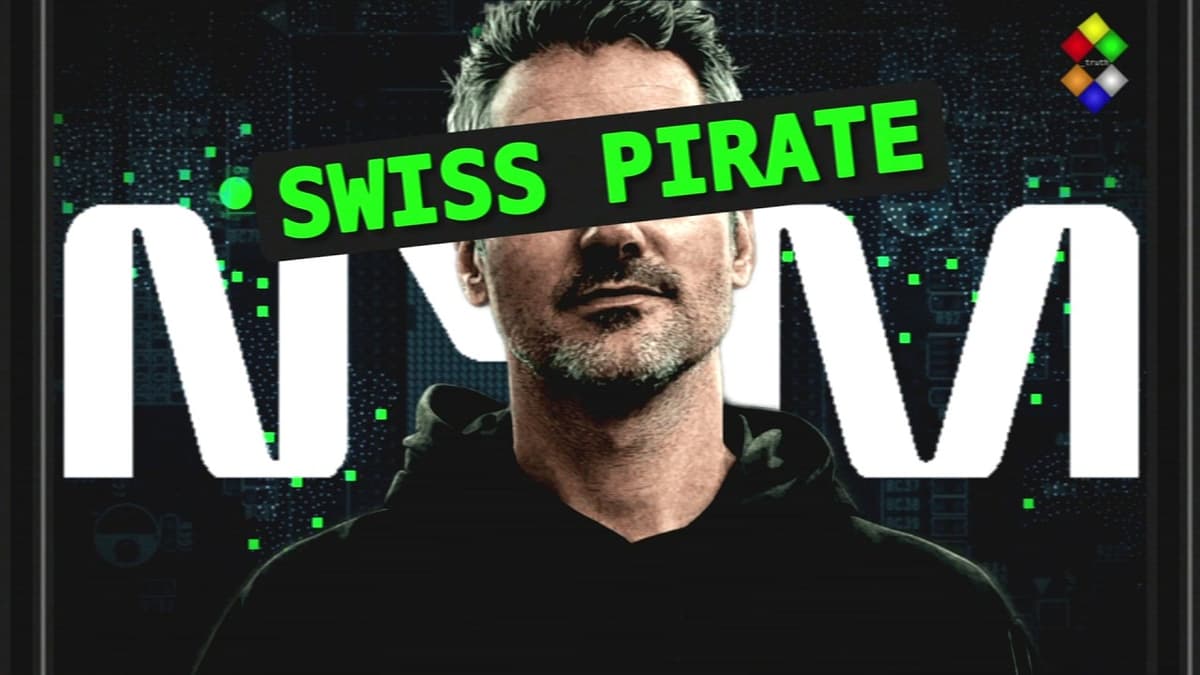
In a candid interview, Alexis Roussel, COO of NIM Technologies, outlines the project’s ambition to create the world’s most anonymous VPN by leveraging a decentralized mixnet and zero‑knowledge proof technology. The discussion frames NIM as more than a conventional VPN;...
How AI Weapons Are Trained on Your Private Data
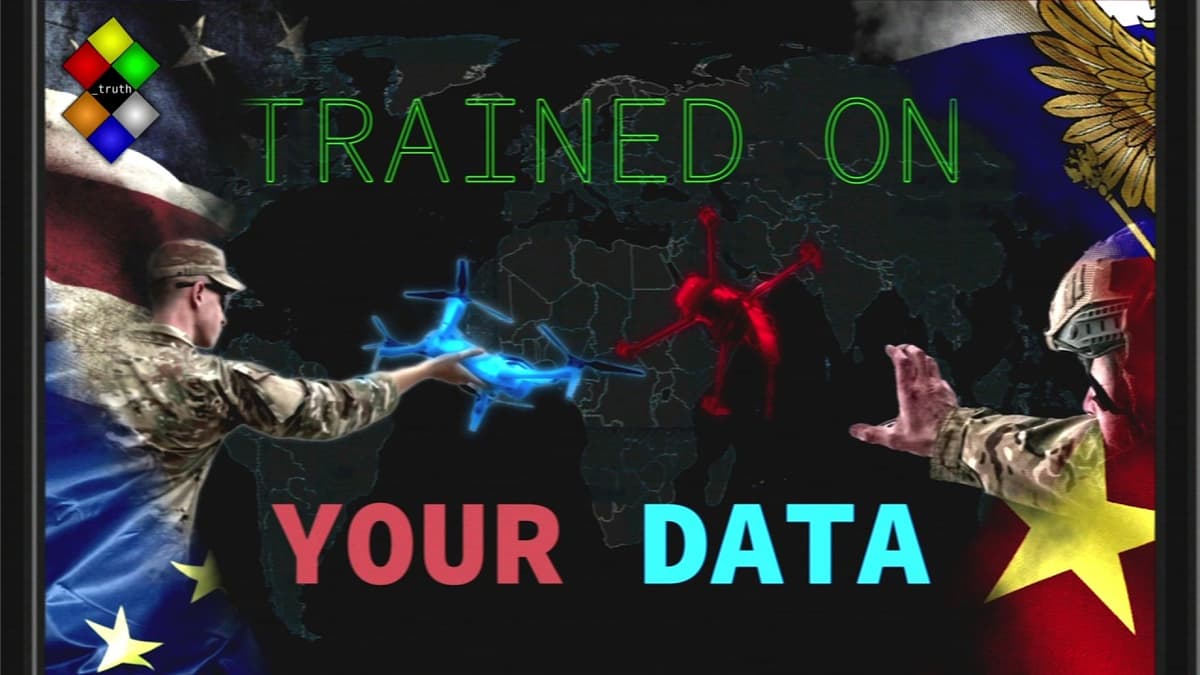
The video warns that the next generation of warfare will be powered not by nuclear arsenals but by autonomous weapons trained on the digital footprints of billions. It argues that private data harvested from social media, browsing habits and photos...