
Video•Mar 9, 2026
Steve Jobs Understood What Engineers Still Get Wrong | Rory Sutherland
Rory Sutherland argues that Steve Jobs excelled where engineers typically fall short: understanding the broader market context and the emotional pull of design. While engineers obsess over speed, compatibility, and technical specifications, Jobs recognized that products must also serve as visual and experiential statements within consumers' homes. Sutherland highlights several concrete examples. The original iMac’s colorful, translucent shell turned a functional computer into an adornment, differentiating it from the beige, utilitarian PCs of the era. Likewise, the subtle bounce at the end of an iPhone scroll—a seemingly trivial UI tweak—creates a tactile delight that millions experience billions of times daily. These details, often dismissed by “nerds,” become amplified across a massive user base. Jobs’ relentless focus on seemingly minor design elements—bezel thickness, chamfer angles, material finish—was not vanity but a strategic lever. By multiplying refined aesthetics across a billion devices, Apple turned engineering excellence into a cultural phenomenon, reinforcing brand loyalty and premium pricing. The takeaway for businesses is clear: engineering brilliance alone rarely secures market dominance. Integrating marketing insight and design thinking early in the product lifecycle aligns technical performance with consumer desire, driving adoption and long‑term profitability.
By The Knowledge Project Podcast
Video•Mar 6, 2026
Robinhood CEO Calls Out the Banking Industry's "Stupid Tax"
Robinhood’s chief executive used a recent interview to label the traditional banking practice of penalizing frequent savings withdrawals and extracting high spreads on checking accounts as a "stupid tax." He argued that these legacy fees protect banks’ profit margins rather...
By The Knowledge Project Podcast
Video•Mar 5, 2026
"They Called Us a Broken IPO" | Robinhood CEO
Robinhood’s chief executive used a recent town‑hall to explain why 2022, not the GameStop frenzy, proved the firm’s toughest year. He described a rapid reversal of pandemic‑era tailwinds as interest rates surged to three‑decade highs, prompting investors to hoard cash...
By The Knowledge Project Podcast
Video•Mar 2, 2026
Warren Buffett's #1 Rule Gets Rewritten
The video revisits Warren Buffett’s famed “don’t lose money” maxim, arguing it should be reframed as a rule against “embarrassing loss.” The speaker contends that while every investment carries risk, investors must distinguish tolerable downside from catastrophic failure. He stresses that...
By The Knowledge Project Podcast

Video•Feb 25, 2026
Leaders Who Fail Make This Mistake | Nicolai Tangen (CEO, $2T Fund)
The video features Nicolai Tangen, CEO of a $2 trillion fund, warning that leaders who fail often try to implement too many initiatives too quickly. He argues that rapid, uncoordinated change triggers an organizational "immune system" that pushes back, jeopardizing transformation...
By The Knowledge Project Podcast
Video•Feb 23, 2026
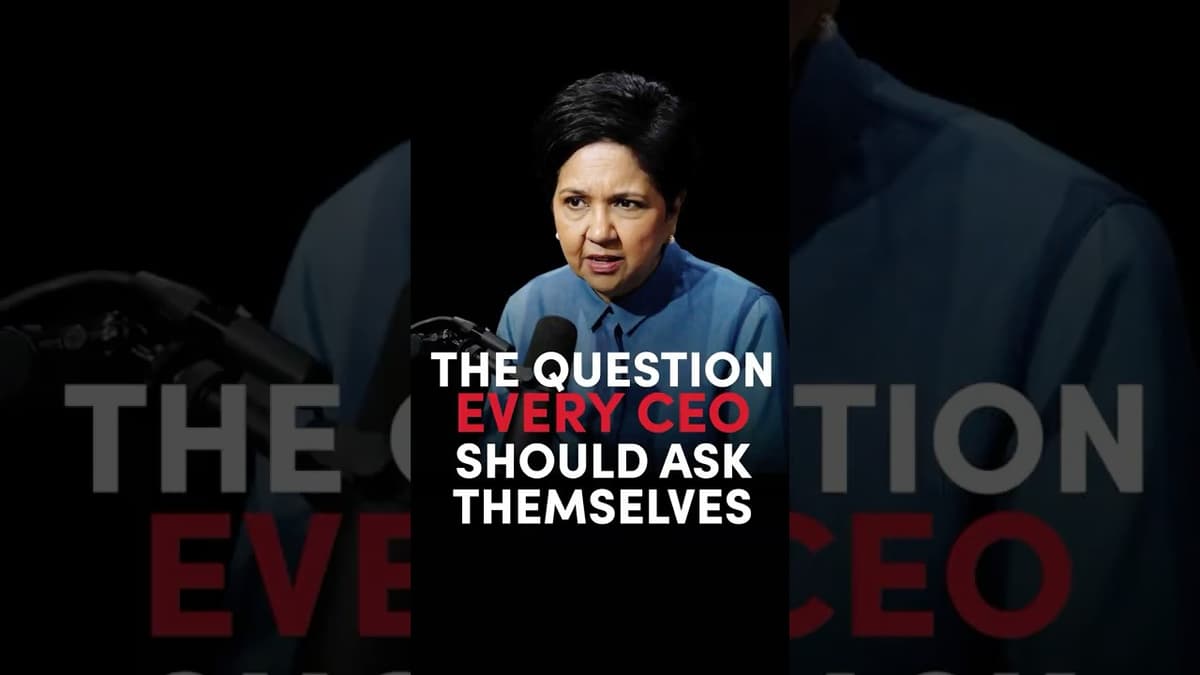
The #1 Mistake CEOs Make on Boards
The video addresses the most common mistake CEOs make when they sit on corporate boards: failing to shed their executive mindset and treat the board as a collective governance body. It stresses three core principles: recognizing the board as a peer...
By The Knowledge Project Podcast