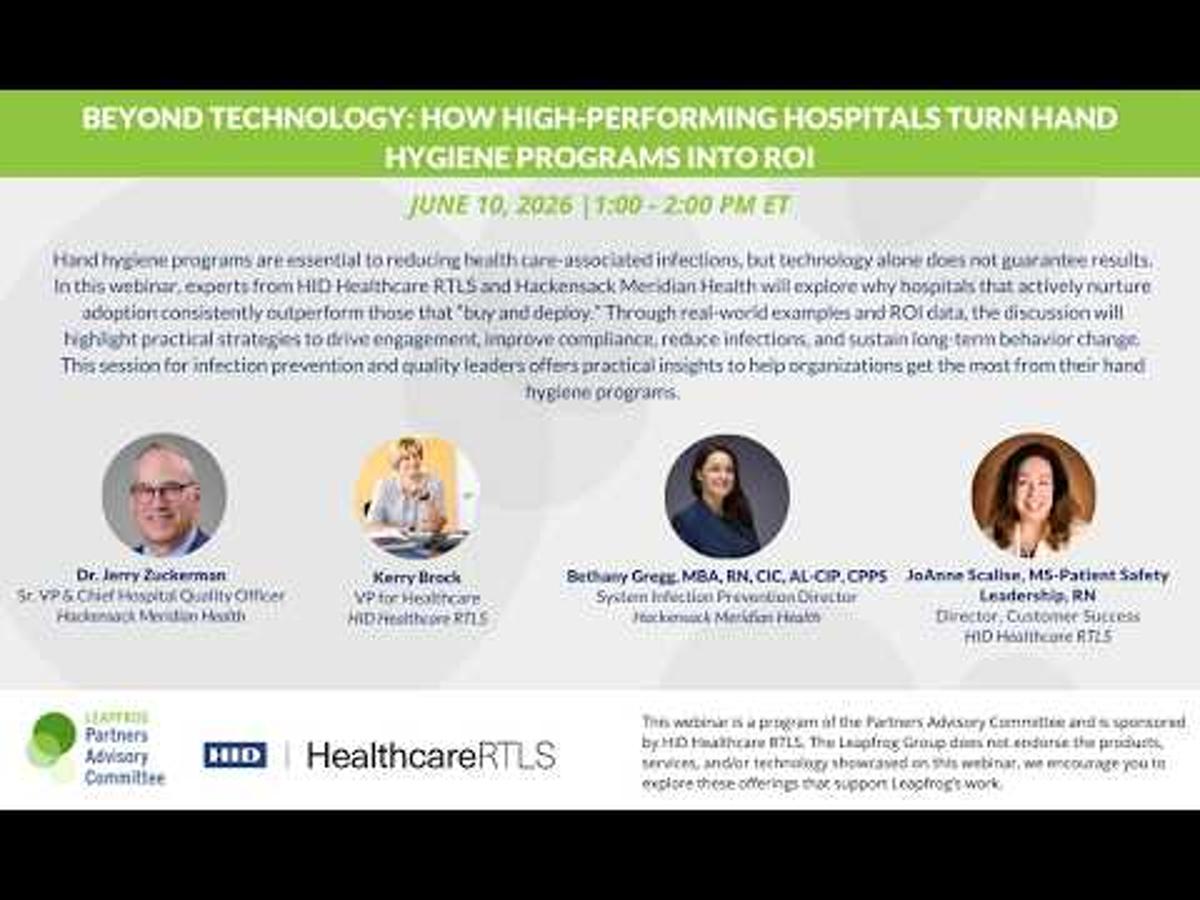
Webinar: Beyond Technology: How High-Performing Hospitals Turn Hand Hygiene Programs Into ROI
The webinar, hosted by HID Global and Hackensack Meridian Health, explored how high‑performing hospitals can convert hand‑hygiene programs into measurable return on investment. Featuring senior leaders such as Carrie Brock, Beth Greg, and Dr. Jerry Zuckerman, the session highlighted the partnership that began in 2022 and now spans nine hospitals and a tent site. Key insights centered on the stark infection risk—one in 31 patients acquires a hospital‑associated infection—and the WHO’s five‑component framework for hand hygiene. Joanne emphasized that compliance is a patient‑safety promise, while Jerry quantified the scale: over 4,700 acute‑care beds, 190,000 admissions, and millions of hand‑hygiene opportunities annually. Manual audits captured less than 2% of events, inflating labor costs to roughly $1 million per year. Notable examples included the transition from manual “Hawthorne‑effect” observations to HID’s RTLS‑based electronic surveillance, which provides unbiased, 24/7 data across all shifts. The network now records tens of thousands to hundreds of thousands of hand‑hygiene events per quarter, eliminating the need for 2,500 staff‑hours of manual monitoring. Executive leadership’s pledge and the technology’s scalability were credited for driving cultural change and delivering cost savings. The implications are clear: reliable, automated monitoring delivers accurate compliance metrics, reduces labor expenses, and supports regulatory readiness. Hospitals adopting similar solutions can expect improved patient outcomes, stronger safety culture, and a demonstrable ROI that justifies further investment in digital infection‑prevention tools.
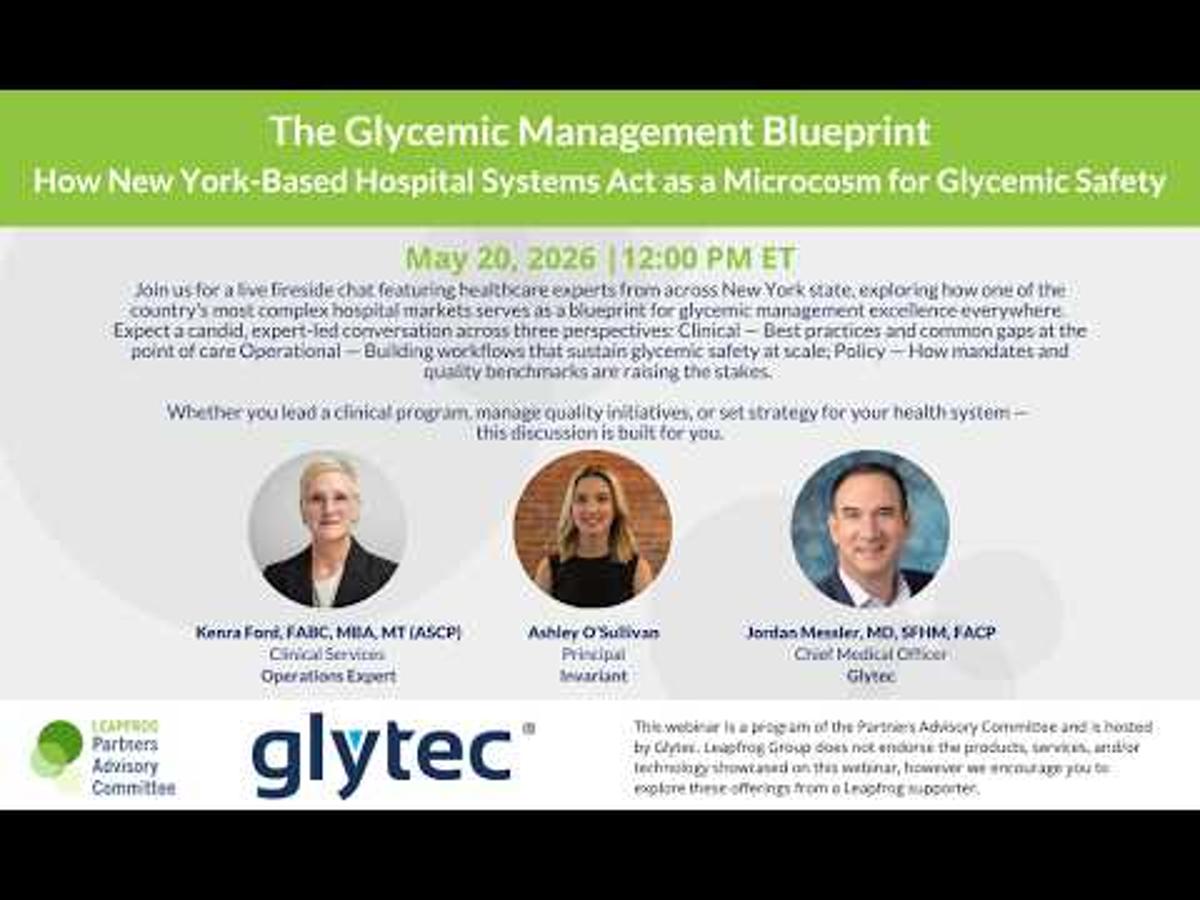
Glycemic Management Blueprint: How NY-Based Hospital Systems Act as a Microcosm for Glycemic Safety
The webinar framed New York hospital systems as a microcosm for the nation’s evolving glycemic safety agenda. Speakers highlighted the federal push—CMS’s upcoming mandatory ECQMs for severe hypoglycemia beginning FY2026, with reimbursement penalties slated for FY2028—and the parallel requirements from...
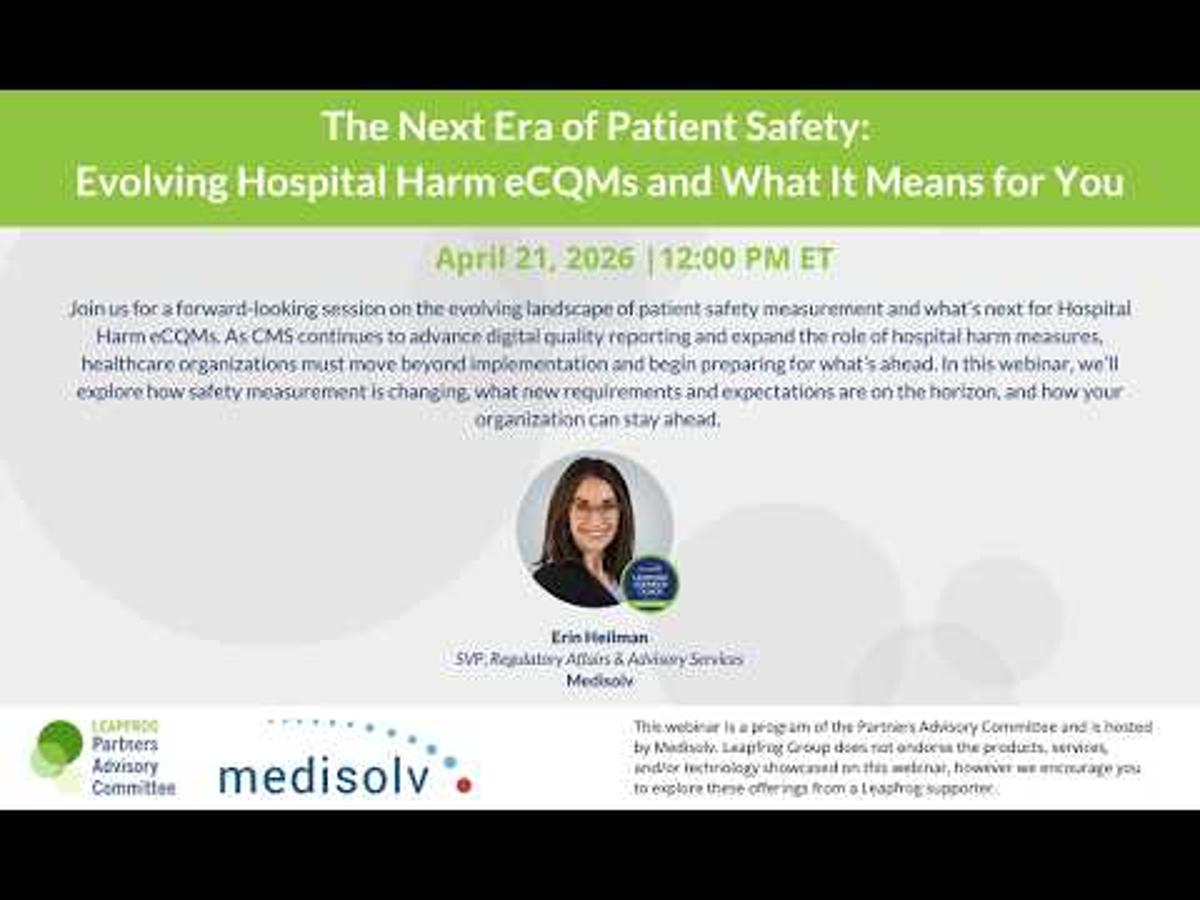
The Next Era of Patient Safety: Evolving Hospital Harm eCQMs and What It Means for You
The webinar focused on the Centers for Medicare & Medicaid Services’ (CMS) proposed rule that will make all hospital‑harm electronic clinical quality measures (ECQMs) mandatory, beginning in 2028 for measures already available and two years after any new measure is...
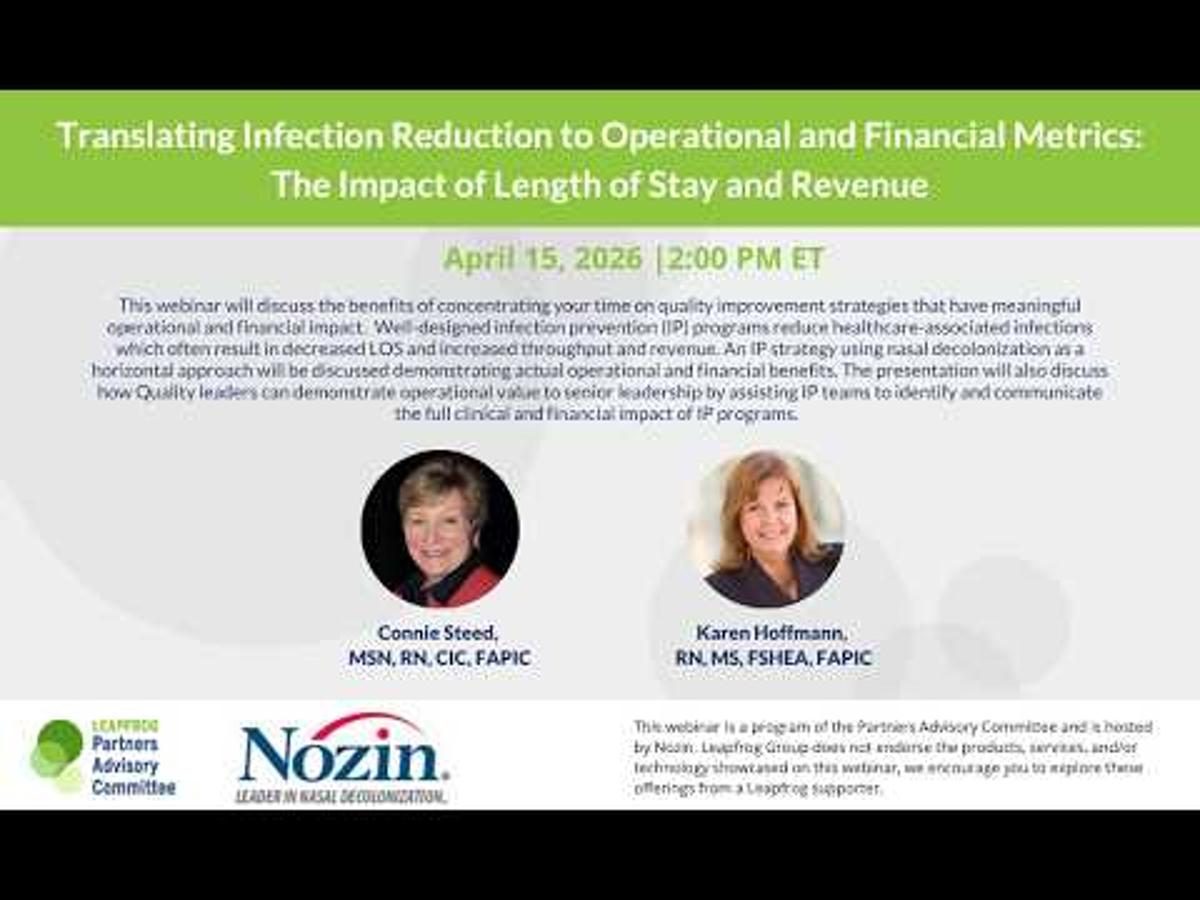
Translating Infection Reduction's Impact on Length of Stay & Revenue
The session led by veteran infection‑prevention consultants Connie Steed and Karen Hoffman focused on translating infection‑reduction efforts into concrete operational and financial metrics, especially length of stay (LOS) and revenue impact. They argued that infection control should be presented not...

Statement From Leapfrog President and CEO Leah Binder on the Tenet Healthcare Lawsuit Decision
Leapfrog Group President and CEO Leah Binder said a federal judge in Florida issued an injunction under the Florida Deceptive and Unfair Trade Practices Act, blocking Leapfrog from issuing and forcing removal of safety grades for five Florida for‑profit hospitals...
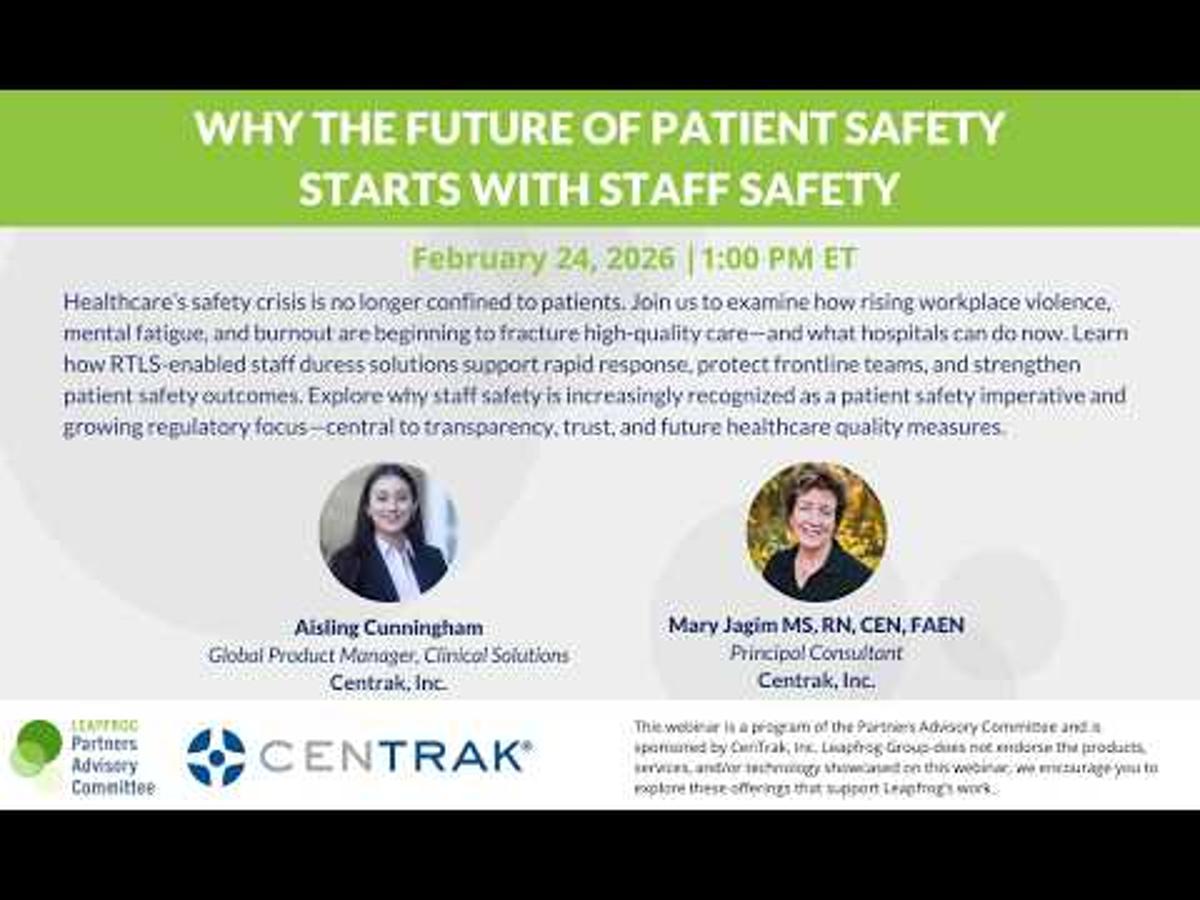
Why the Future of Patient Safety Starts with Staff Safety
The webinar hosted by Centrak focused on how hospitals can improve staff safety amid rising workplace violence, burnout, and mental fatigue, emphasizing that protecting caregivers is a prerequisite for patient safety. Speakers highlighted stark statistics: healthcare workers face six‑times higher risk...