

The Real Math Behind Why Healthcare Needs AI - The Medical Futurist
The video by The Medical Futurist frames healthcare as a looming mathematical crisis: a global shortage of clinicians colliding with a rising tide of patients who now live longer with chronic conditions. It cites the World Health Organization’s estimate of 6 million missing healthcare workers today, projected to swell to 10 million by 2030, while diagnostic and monitoring advances expand the pool of individuals needing long‑term care. The arithmetic, the speaker argues, makes a purely human‑based system unsustainable. “AI will not replace physicians,” the presenter emphasizes, noting that digital tools—variable sensors, tele‑medicine platforms, and augmented‑intelligence workflows—are the only mechanisms capable of closing the gap. He points viewers to two online courses on digital health and AI in medicine. The implication for providers, investors, and policymakers is clear: shifting focus from ethical debates to scalable implementation of AI‑driven care pathways is essential to preserve access, control costs, and sustain the health system’s growth.

The Muse Headband Review: Meditation 2.0 - The Medical Futurist
The video reviews the latest Muse Saffire S headband, an upgraded version of the original Muse EEG device, focusing on its ability to facilitate meditation through biometric feedback. The reviewer highlights that the new model eliminates the cumbersome electrode‑placement process, instantly...

China: The No. 1 Country In Healthcare AI Today - The Medical Futurist
The video outlines how China has become the world’s leading adopter of artificial intelligence in healthcare, moving beyond debate to embed AI into the very architecture of its medical system. A sweeping national strategy, unveiled by the National Health Commission and...
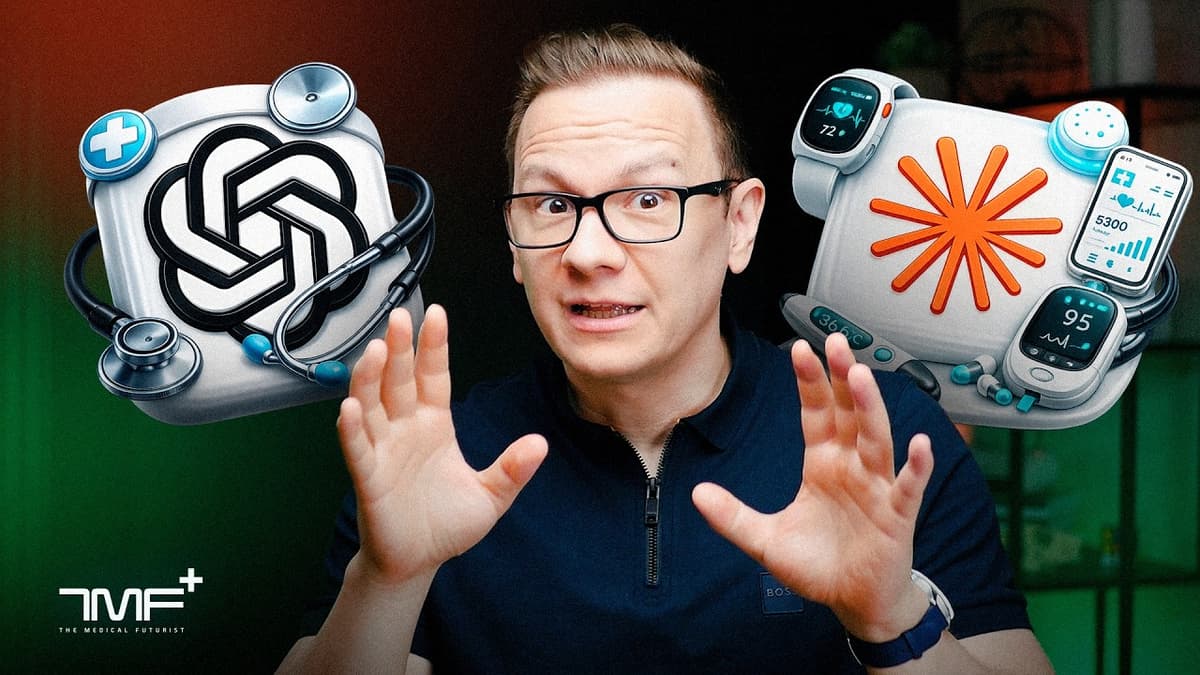
5 Generative AI Milestones That Changed Healthcare This Year
2026 marked a watershed moment as major tech giants rolled out health‑focused large language models (LLMs) across three fronts: patient‑centric assistants, clinical‑system integrations, and physician‑only tools. OpenAI’s ChatGPT Health debuted early in the year, followed swiftly by Anthropic’s Claude Health,...

3D Printing in Healthcare: From Drugs and Living Tissues to Casts and Beyond - The Medical Futurist
The video surveys the expanding role of 3D printing in healthcare, distinguishing mature applications from those still in experimental stages. It frames the technology as already saving lives while cautioning against hype. Proven uses include ultra‑low‑cost splints printed in ten minutes,...

How Much Time Can AI Scribes Save? - The Medical Futurist
The video examines AI‑powered medical scribes as a solution to the chronic documentation burden that fuels physician burnout. By passively recording clinical conversations, converting speech to structured notes, and leaving final approval to the clinician, AI scribes promise to eliminate...

The EKO CORE 500 Digital Stethoscope With ECG And AI: Review - The Medical Futurist
The Medical Futurist reviews the EKO CORE 500, a digital stethoscope that integrates three‑lead ECG, high‑fidelity audio, and artificial‑intelligence analysis into a single handheld device. The reviewer highlights the built‑in screen that displays live heart and lung waveforms alongside an...

What Really Happens When a Robot Draws Your Blood?
The video examines Vitestro’s robotic blood‑drawing system, which uses ultrasound to locate a vein, positions the arm, inserts the needle, collects the sample, retracts the needle and applies a bandage—all without human hands touching the needle. The device already carries...
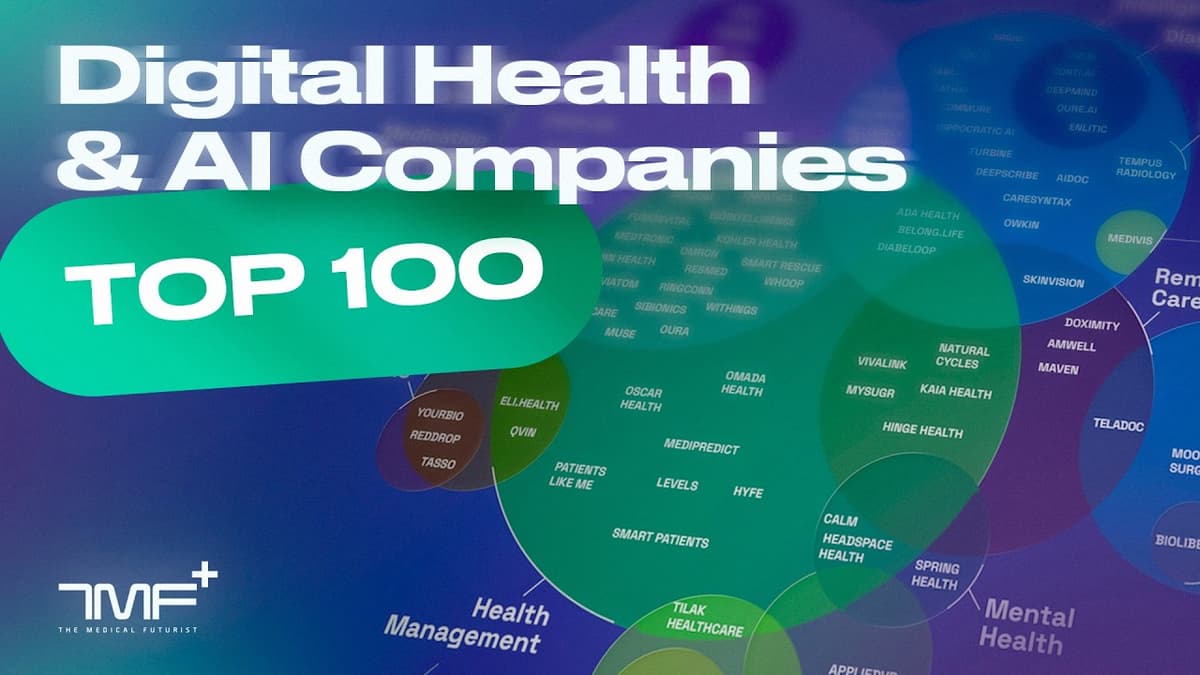
The Medical Futurist’s 100 Digital Health And AI Companies Of 2026
The Medical Futurist released its annual “100 Digital Health and AI Companies of 2026” list, a curated snapshot of the most promising players in a field crowded with hype. Since 2017 the list has served as a neutral benchmark, with...