Feeding the World without Costing the Earth | The Royal Society
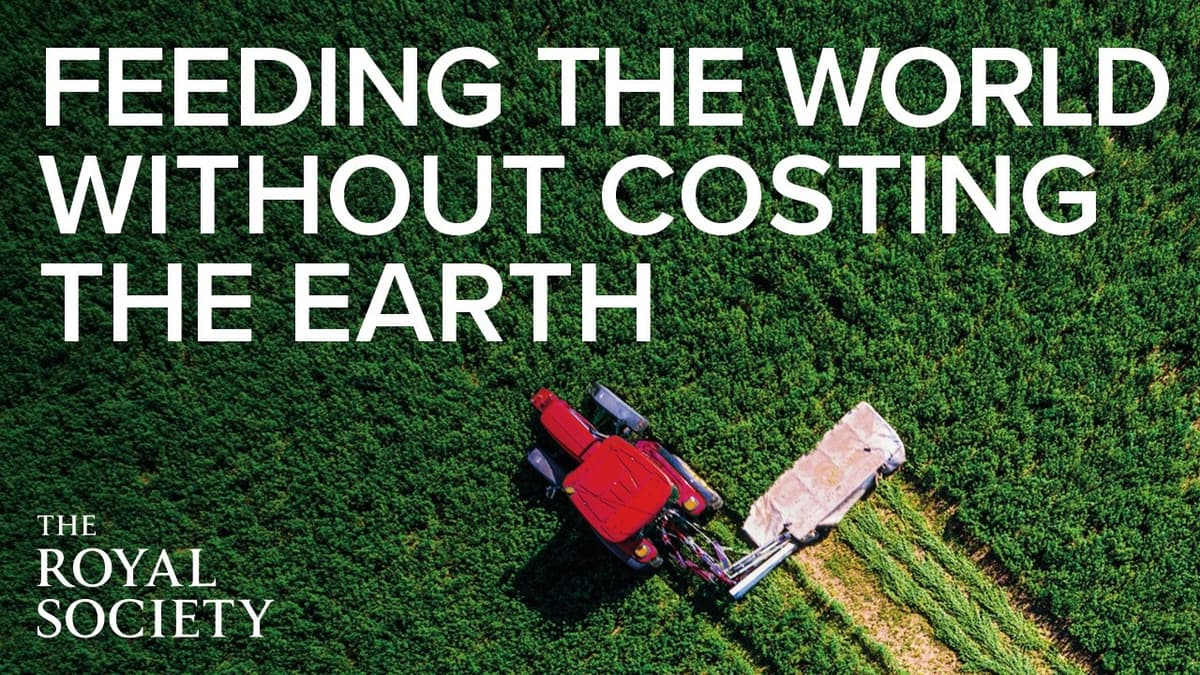
The Royal Society talk examined how humanity can feed a projected eight‑to‑ten billion people without further degrading the planet. Andrew highlighted that modern agriculture has remarkably outstripped population growth since 1961, yet it now underpins a biodiversity crisis, accounting for roughly 30 % of global greenhouse‑gas emissions, extensive soil depletion, and the loss of habitats that threatens over a third of species. Key data points underscored the urgency: amphibian, reptile and fish populations have collapsed by three‑quarters since the 1970s, and cropland demand could triple in parts of sub‑Saharan Africa by 2075. The speaker argued that demand‑side actions—cutting ruminant meat, curbing bio‑fuel crops, and reducing food waste through taxes and public campaigns—can cut emissions and extinction pressure, but alone they fall short of stabilising land use. Illustrative examples included Charles Godfrey’s warning that “if we fail on food we fail on everything,” Emma Garnett’s experiments showing that simply doubling vegetarian options in buffets boosted plant‑based uptake by up to 80 %, and London’s one‑month advertising ban that slashed household calorie purchases by 7 %. The analysis also presented Yi Gong’s model, which shows that only a combined shift toward low‑meat diets, halved food waste, and a 25 % closure of yield gaps can prevent further cropland expansion. The overarching implication is clear: meeting future food needs while preserving biodiversity demands a dual strategy. Policymakers must pair demand‑reduction measures with aggressive investment in yield‑gap research and sustainable farming practices, recognizing that land‑sharing alone reduces yields and requires compensation mechanisms. Only an integrated approach can halt habitat loss, curb emissions, and secure food security for the coming decades.
AI and Science with Demis Hassabis | The Royal Society X Nobel Prize
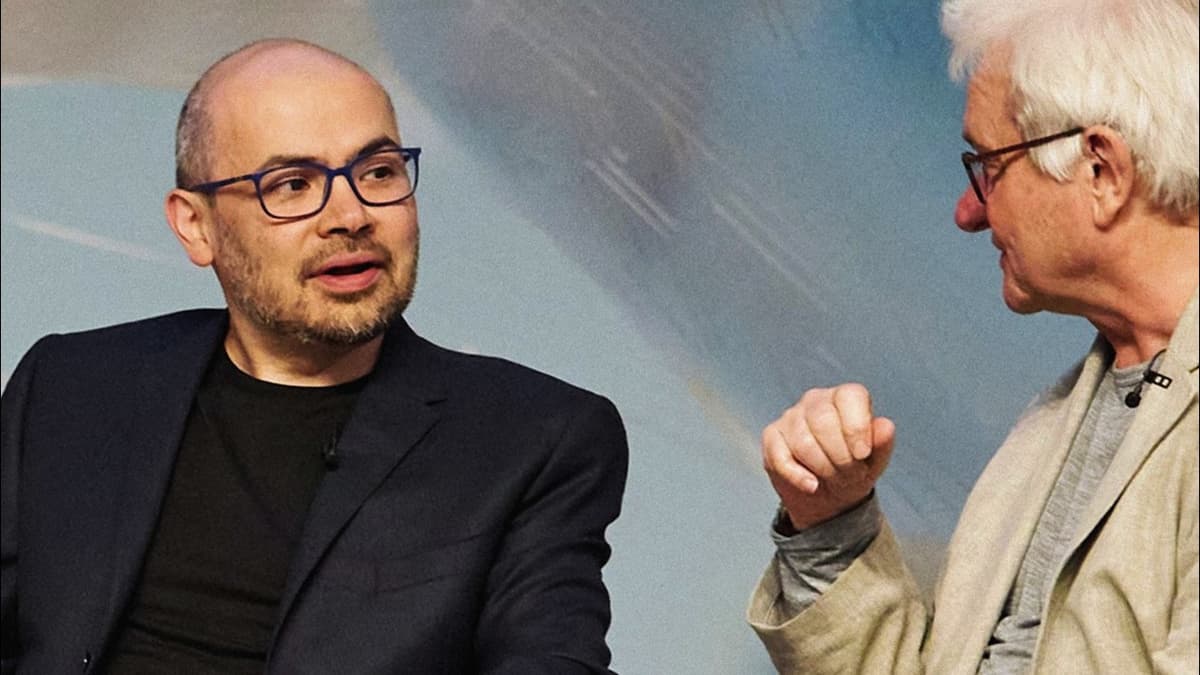
The Royal Society’s recent report, presented by DeepMind CEO Demis Hassabis, examined how artificial intelligence is reshaping scientific practice. It traced a rapid shift in public perception—people now grasp large‑language‑model concepts even as the underlying technology continues to evolve—while...

Bioelectronics – Technology Interfaces with the Human Body | The Royal Society
The Royal Society’s Bakerian Medal lecture, delivered by Professor John Rogers, focused on bioelectronics – electronic systems designed to integrate seamlessly with soft living tissues. Rogers traced his journey from DARPA‑funded epidermal electronics for battlefield health monitoring to the development...

Bioelectronics – Technology Interfaces with the Human Body | The Royal Society
Professor John Rogers, winner of the 2026 Baker Medal, delivered a Royal Society lecture titled “Bioelectronics – technology interfaces with the human body,” outlining the field’s evolution from early microscopy philanthropy to modern wearable medical devices. Rogers described how ultra‑thin silicon...
Why the Cryosphere Is More Important than You Think 🧊 #science #physics #earth #sea
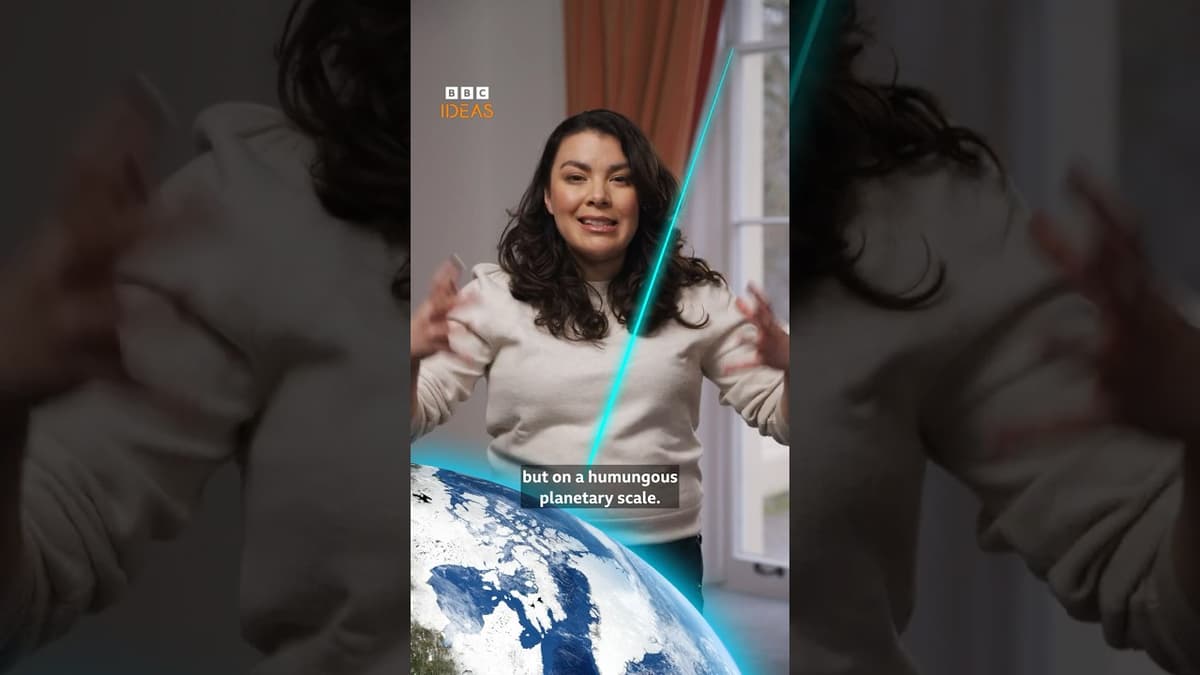
The video explains why the cryosphere—sea ice, snow, and glaciers—is critical to Earth’s climate regulation, likening it to a planetary sunscreen that reflects solar radiation. When ice reflects sunlight, the planet’s albedo remains high; melting ice replaces bright surfaces with dark...
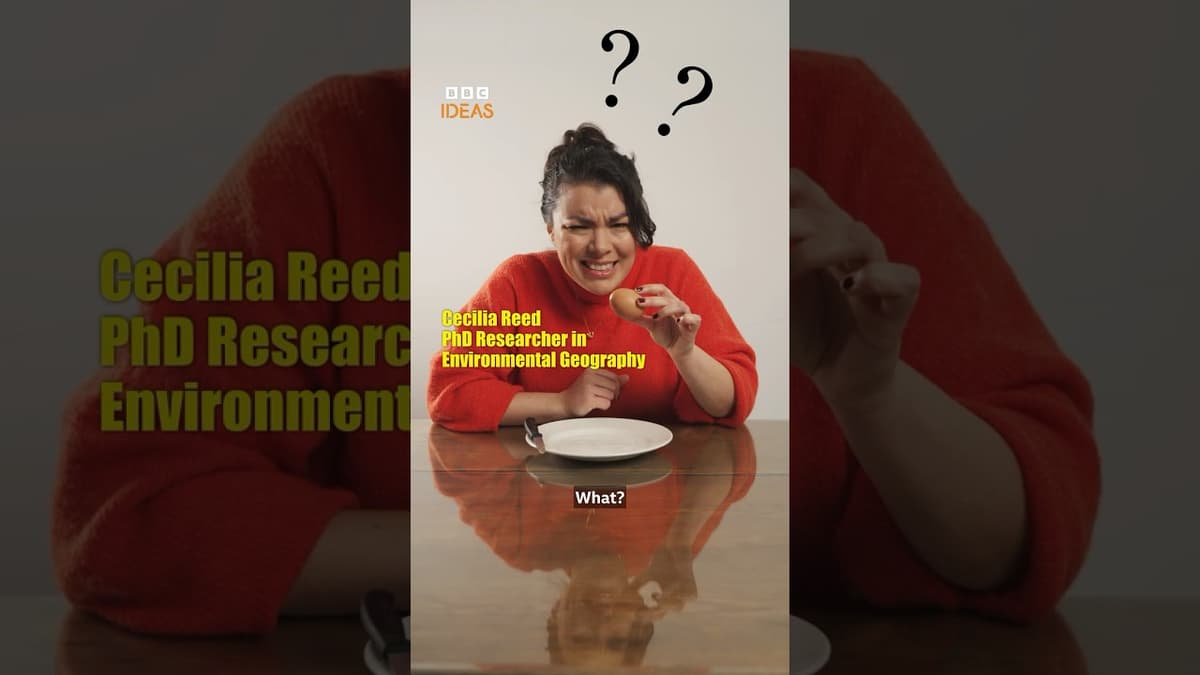
Why the Earth Is Like a Boiled Egg #geology #science #earth
The video uses a boiled‑egg analogy to explain Earth’s internal architecture, describing the core as the yolk, the mantle as the white, and the crust as the shell. It outlines how, 4.5 billion years ago, a molten Earth differentiated when heavy...
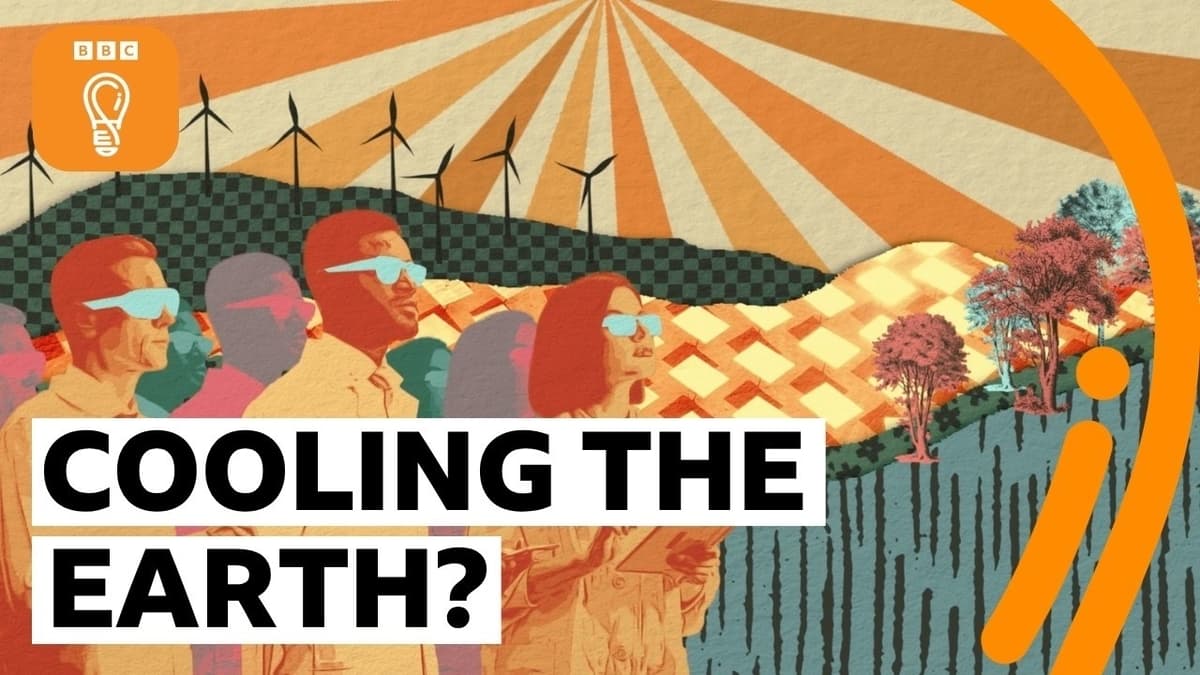
Reflect the Sun to Slow Down Climate Change? | The Royal Society
The Royal Society video examines geoengineering ideas that reflect solar radiation to buy time for decarbonisation, highlighting the urgency as CO₂ reaches 3‑million‑year highs and renewables supply only a third of electricity. It walks through four concepts—space‑based mirrors, surface albedo enhancement,...
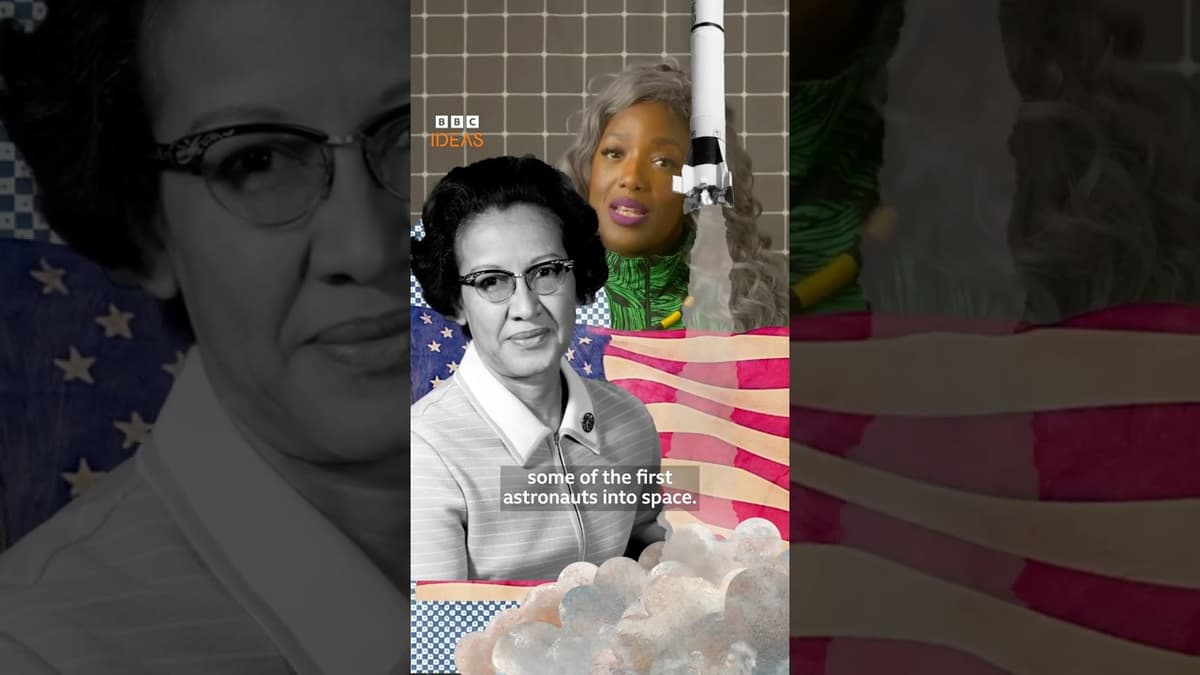
The Brain Behind Nasa’s Early Space Missions #history #space #science
The video spotlights mathematician Katherine Johnson, whose calculations were critical to NASA’s earliest human spaceflights, from Alan Shepard’s 1961 sub‑orbital flight to John Glenn’s 1962 orbital mission. Johnson joined the predecessor NACA in 1953, working in a segregated environment while producing...

The Woman Who Measured the Universe #space #history #physics
The video profiles American astronomer Henrietta Swan Leavitt, whose meticulous work at Harvard College Observatory in the early 1900s turned the simple observation of twinkling stars into a quantitative tool for measuring cosmic distances. Leavitt cataloged hundreds of Cepheid variable stars and uncovered...
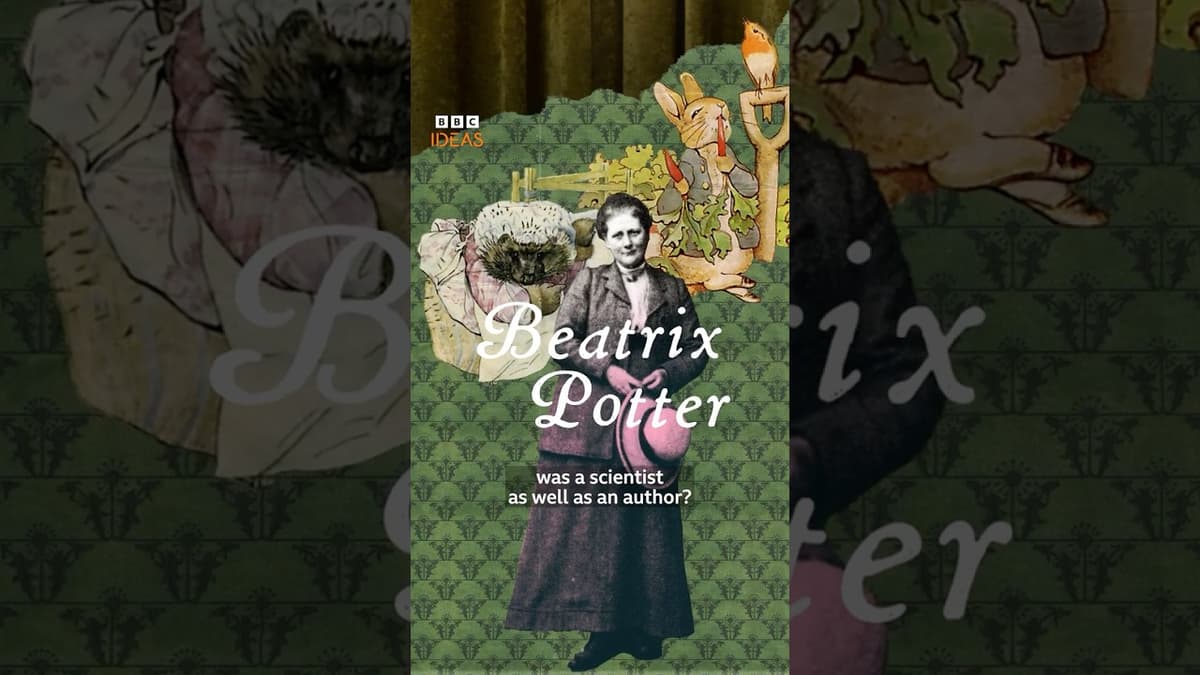
Peter Rabbit's Creator Had a Secret Life... #science #nature #animals #history
Beatrix Potter is best known for her beloved children’s books, but she was also a serious naturalist and mycologist. Born in 1866, she spent her youth collecting newts, frogs, bats, snakes and a rabbit that became Peter, and she even...

Is AI Better at Maths than People? | Hannah Fry #science #ai #maths
The video asks whether artificial intelligence is already surpassing human mathematicians, noting recent breakthroughs that suggest we may be nearing that point. It highlights that AI is now tackling problems once reserved for the Clay Mathematics Institute’s million‑dollar prizes, and that...
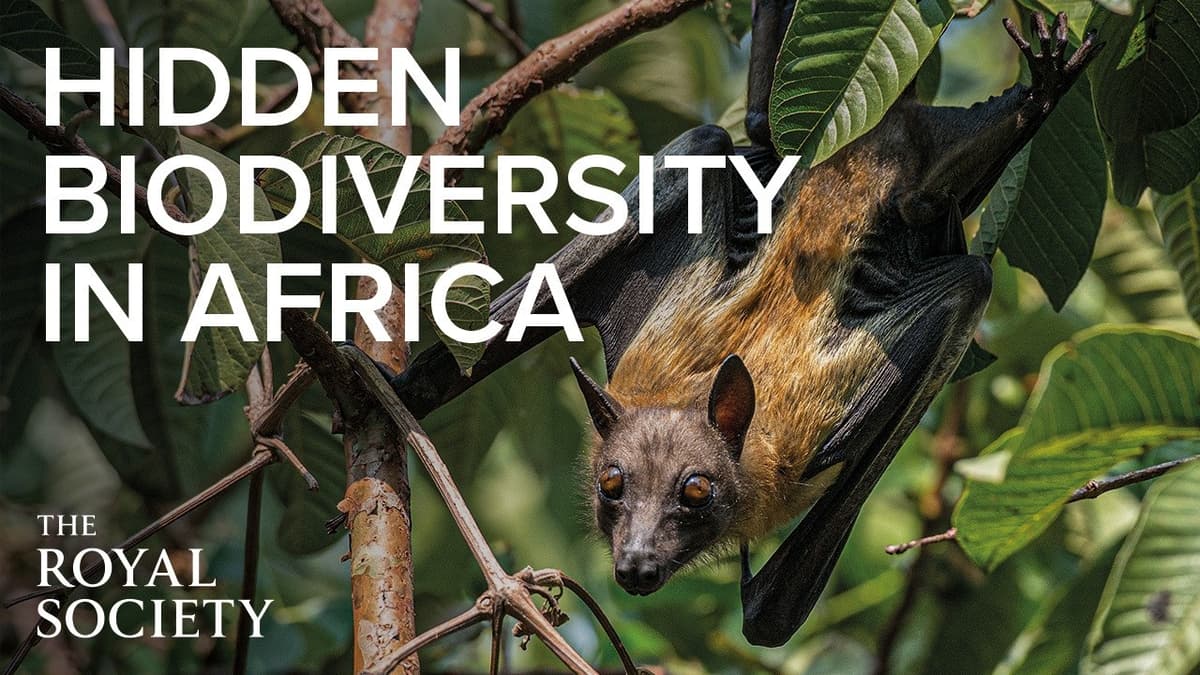
What Do Bats Reveal About Hidden Biodiversity in Africa? | The Royal Society
The Royal Society Africa Prize 2025 is awarded to Professor Ara Monadjem for his lifelong work on African biodiversity. In his lecture, Monadjem stresses that taxonomy and field surveys are indispensable because species that remain unknown cannot be protected. He...

Outrageous Letter Sent About Female Scientist Hertha Ayrton #history #science
The video recounts the 1906 awarding of the Royal Society’s prestigious Hughes Medal to British physicist and engineer Hertha Ayrton, a milestone that came only after the Society had previously refused her fellowship on gendered grounds. It highlights the stark...

The Royal Society Turned Down This Female Scientist for Membership #science #history #physics
The video recounts a little‑known episode from the early 1900s when the Royal Society, Britain’s premier scientific academy, denied fellowship to a pioneering female physicist, Hera Erton. In June 1901 Erin’s paper on the “mechanism of the electric ark” became...

Marie Curie Wasn't Allowed to Present Her Own Science #history #science #physics
The video recounts a striking episode from 1903 when Marie Curie, fresh from discovering radium and poised to receive a Nobel Prize, was invited to the Royal Institution in London. Upon arrival, she learned that protocol barred her from delivering...