
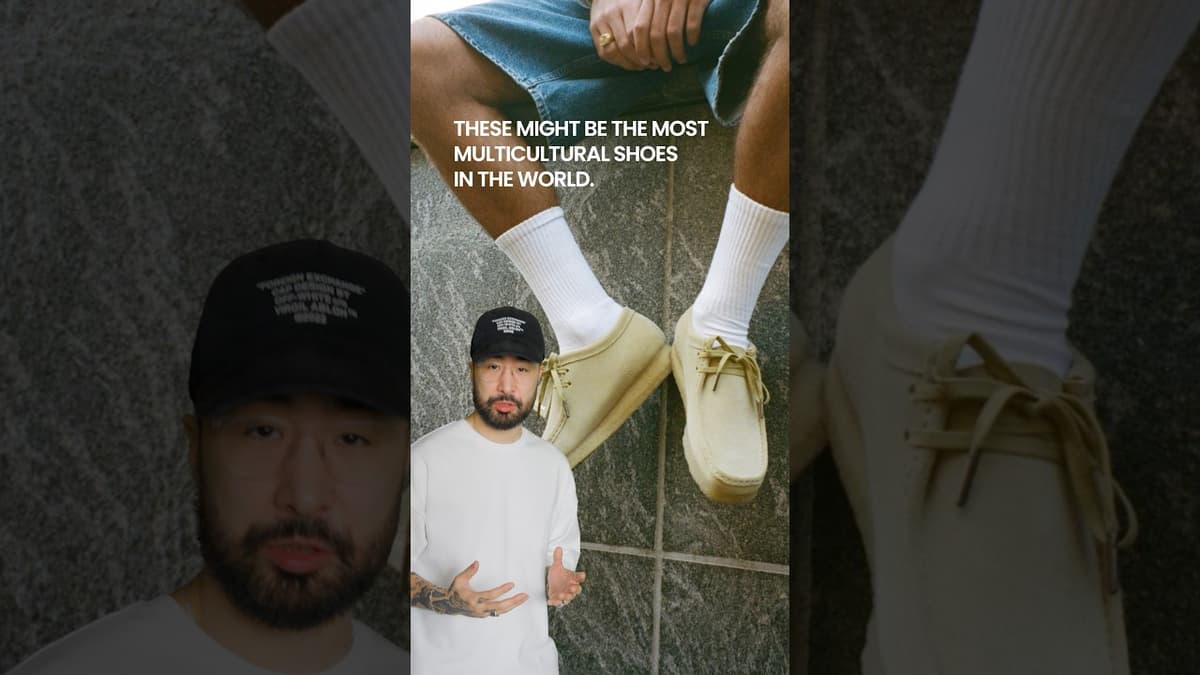
The Most Multicultural Shoes Ever Made
The video chronicles the unlikely journey of Clarks’ Walabe—an English shoe born from a German moccasin design, named after a small Australian marsupial, and launched in 1967. While British consumers dismissed it as clunky and “grandma‑proof,” the shoe found a fervent following among Jamaica’s Rude Boy subculture, where its English origin and premium price turned it into a coveted status symbol in Kingston’s dance halls. The narrative highlights three pivotal cultural transfers: first, the Walabe’s adoption by Jamaican youths in the 1970s; second, its migration to New York City via Jamaican immigrants, where 1990s hip‑hop icons like Ghostface Killah crowned it the “walabe champ”; and third, its resurgence in the UK during the acid‑house rave era and endorsement by Britpop bands such as Oasis and The Verve. These waves turned a commercial flop into a global icon. A memorable anecdote recalls police raids that used Clarks as a profiling tool, underscoring the shoe’s deep association with street identity. Ghostface Killah’s self‑designation as “walabe champ” exemplifies how the footwear became a badge of authenticity within hip‑hop culture, while its runway appearances at Paris Fashion Week signal its full-circle elevation to high fashion. The Walabe’s story illustrates how cross‑continental cultural exchange can resurrect a product, turning regional subcultural capital into worldwide commercial success. Brands can learn that authenticity, heritage storytelling, and organic adoption by niche groups often outweigh traditional marketing in creating lasting cultural relevance.

2026 Fashion Trends I’d Actually Wear (and the Ones I’ll Skip)
The video dissects GQ’s roundup of the biggest men’s fashion trends for 2026, offering a personal verdict on each item. The creator walks through thirteen categories—from handbags and high V‑neck knits to approach shoes, car coats, ballet flats, engineer boots,...