
Why The Rich Pay Less In Taxes...
The video explains why the ultra‑rich pay a lower effective tax rate than most workers. It argues that the tax code distinguishes between earned income—wages, salaries, and self‑employment earnings—and investment or business income, applying vastly different rates to each. Earned wages are subject to federal income tax up to 37%, plus Social Security and Medicare levies that can push total federal liability toward 50‑60% when state taxes are added. By contrast, capital gains, qualified dividends, and income from pass‑through entities are taxed at roughly 20%, and many high‑net‑worth individuals also claim the 20% Qualified Business Income deduction, driving their effective rates even lower. The video cites Elon Musk, Jeff Bezos and other billionaires who receive compensation largely in stock. Rather than selling shares and triggering capital‑gain taxes, they borrow against those holdings; debt incurs no tax liability, allowing them to fund lifestyles and investments without increasing taxable income. These mechanics highlight a structural disparity that fuels policy debates about tax fairness. Understanding how income classification and asset‑backed borrowing shield wealth is crucial for legislators considering reforms to broaden the tax base and address perceived inequities.
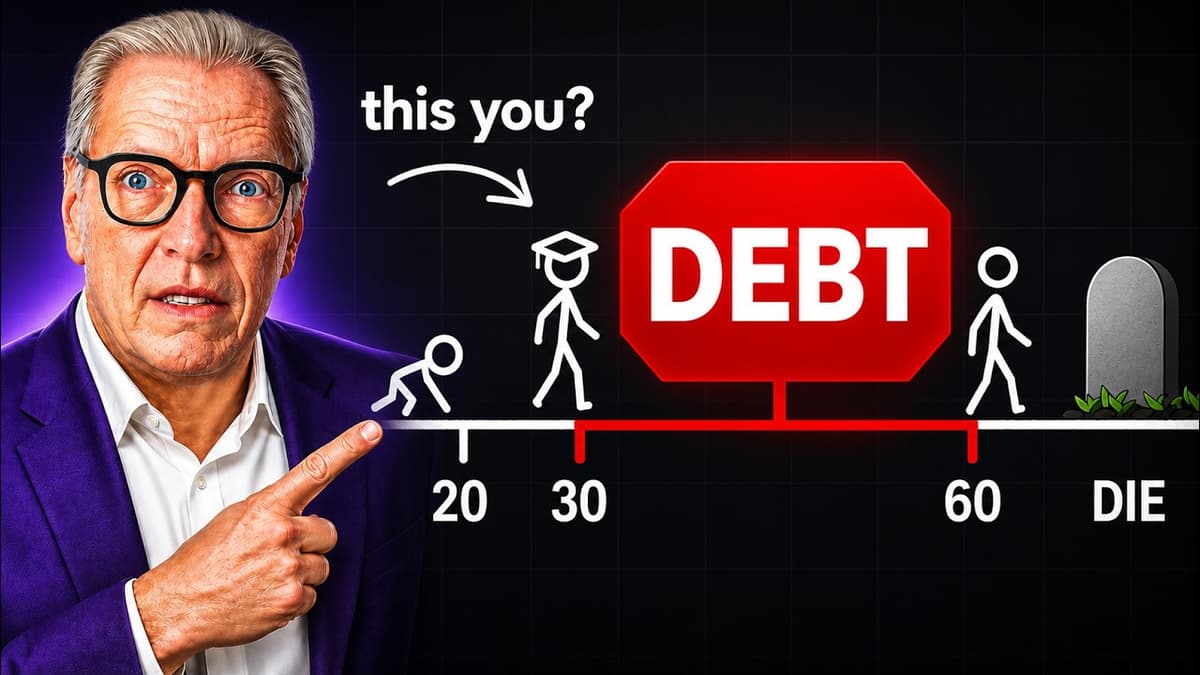
What The Top 0.01% Do With Taxes That You Don't
Tom Wheelwright, CPA and author, outlines how the ultra‑wealthy structure taxes, contrasting with typical entrepreneurs. He notes that the richest earn primarily through corporate profits, long‑term capital gains, and QBI‑eligible pass‑through income, which are taxed at 21‑20% versus up to 37%...
How People Overpay Taxes Without Knowing It
The video warns that many entrepreneurs overpay taxes because they misunderstand how their business entities are taxed. An LLC, the speaker explains, has no default tax classification; owners must elect to be taxed as a partnership, S corporation, C corporation, or...
This Happens If You Miss The S Corp Deadline
The video warns S‑corporations that the filing deadline fell on March 15, a Sunday, pushing the final date to March 16. Missing this deadline triggers a steep penalty structure, emphasizing the urgency for timely compliance. A $255 penalty applies per shareholder for each...
The Real Cost Of No Tax Strategy
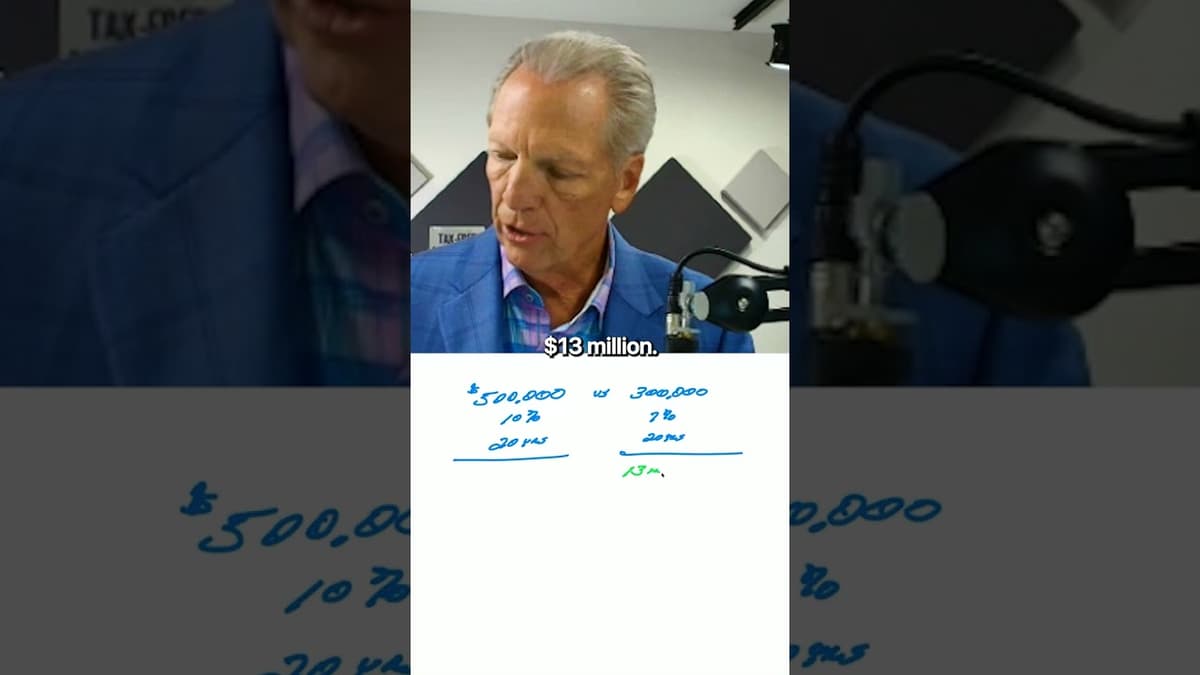
The video illustrates the financial penalty of ignoring tax planning for a $500,000 annual earner over two decades. Without a strategy, effective take‑home drops from $500k to $300k, reducing investment return from 10% to roughly 7%; after 20 years, the untaxed...
How To Make Meal Deductions Audit Proof
The video explains how entrepreneurs and employees can substantiate meal‑related expenses to survive IRS scrutiny. It breaks down deduction rates—groceries while staying in a residence hotel or Airbnb are 50% deductible, event‑wide groceries are 100% deductible, and client meals remain at...
Stop Overpaying Taxes Because Of Your CPA
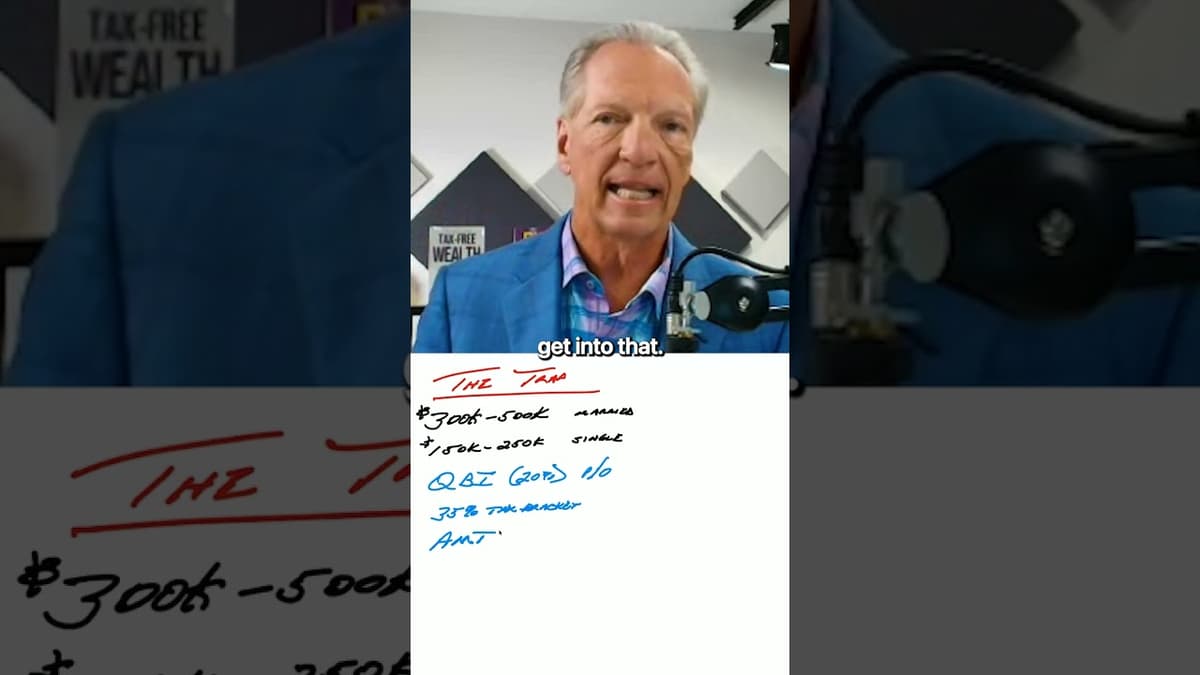
The video argues that many professionals overpay taxes because their CPA treats a raise as a simple increase in taxable income, ignoring the impact of lost deductions and bracket creep. It illustrates that losing a 20% deduction can shift an individual...
The Tax Trap Between $300K–$500K
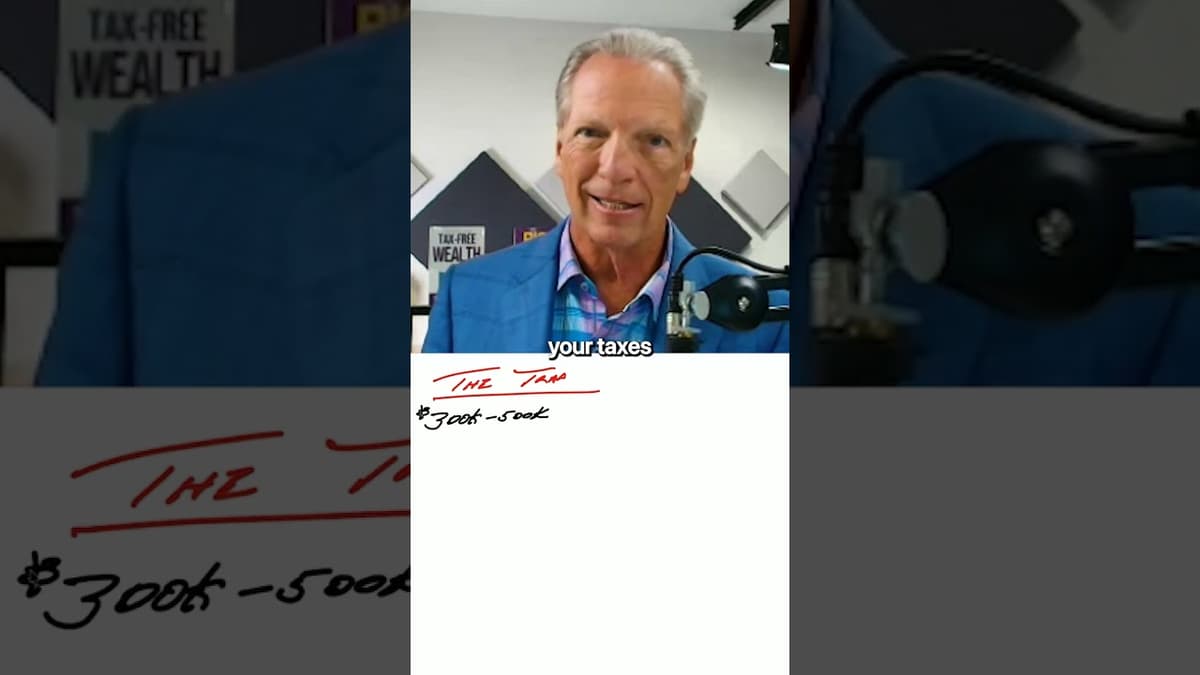
The video warns high‑earning professionals that once earnings reach the $300,000‑$500,000 band, they fall into a “tax trap” where both tax liabilities increase and valuable deductions begin to disappear. The centerpiece is the Qualified Business Income (QBI) deduction, a 20 % benefit...