

Independent Sponsors Turn PE Gaps Into Higher Multiples
Independent sponsors are arbitrageurs of professionalization. Buy before PE-ready. Make it PE-ready. Sell to PE. Find (and know) the things that PE hates. Do the work to fix said things, and get rewarded (with a higher multiple).

AI Could Either Boost or Undermine Agency Profitability
Which do you believe? 3 years from now, will marketing agencies be more profitable and more valuable, or less profitable and less valuable? Two trains of thought: 1. More valuable. AI expands margins, lean teams deliver far more. 2. Less valuable. AI replaces what...
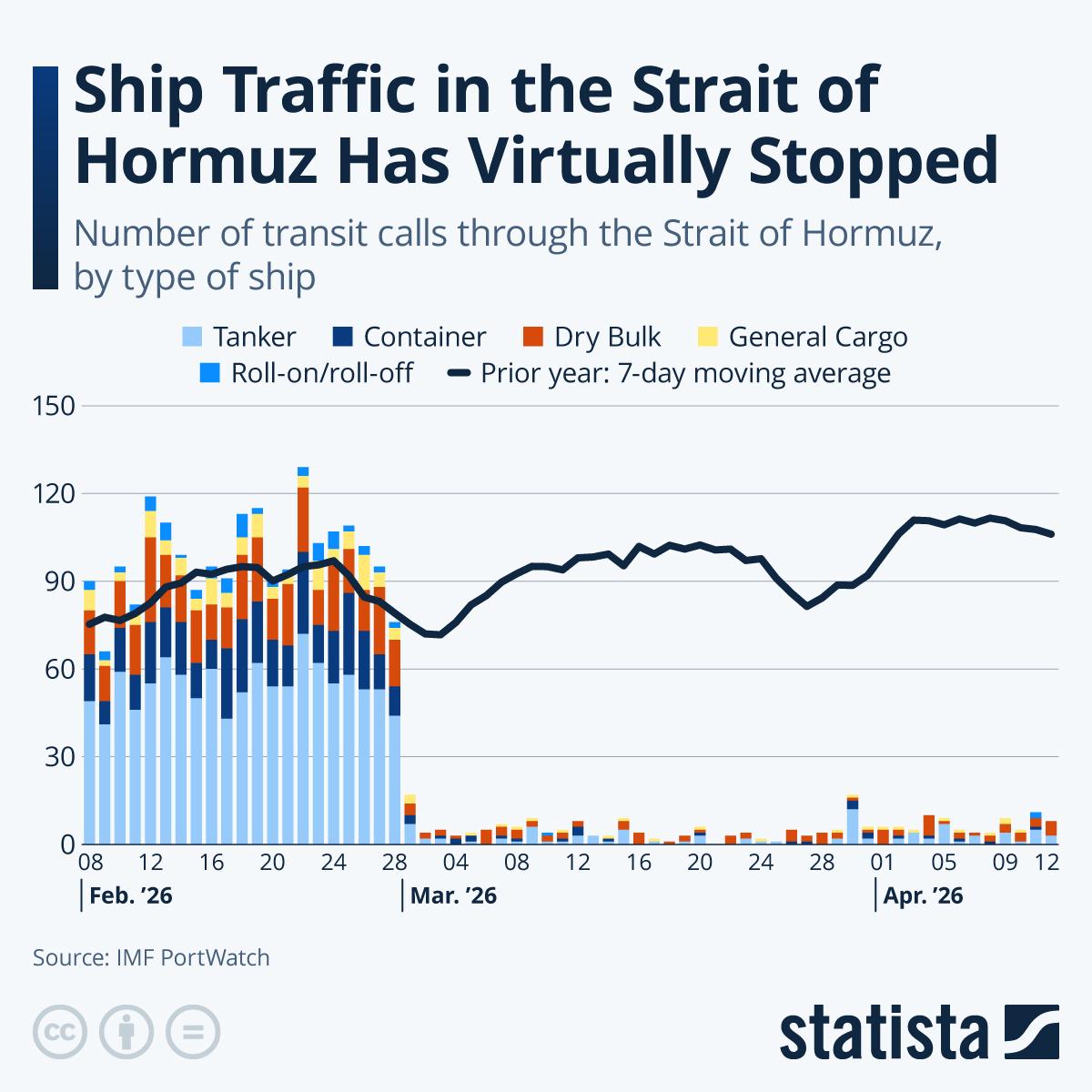
Iran's Cheap Strategy: Make Shipping Costly, Not Win War
I keep staring at the Iran situation, trying to find the move where the US comes out ahead, and I can't find it. Hormuz is at ~5% of normal traffic. A commercial drone costs five figures. The interceptor that kills it...
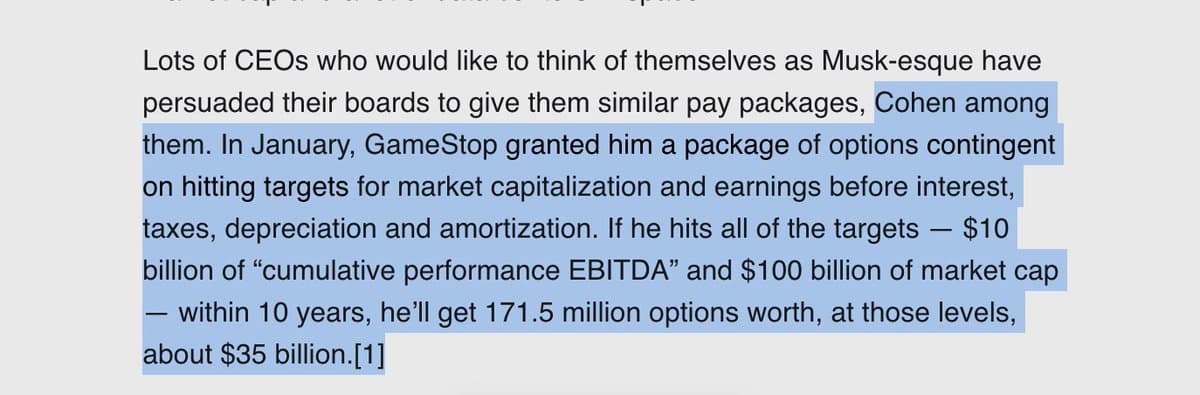
GameStop's eBay Bid Driven by CEO's Market‑cap Incentives
Why is GameStop trying to buy Ebay? A company over 4x the size. As always, follow the incentives... It's a lot easier for a CEO to be in the money on his ginormous options package if it's based mostly on market cap. https://t.co/1xDawEaAzI

Cross‑disciplinary Knowledge Creates Unbeatable Competitive Edge
Michael Bloomberg: "There might be better traders than me and there might be people who know more about computers. But there's nobody who knows more about both." Most people try to be the best at one thing. That's hard. Bloomberg’s overlap is...

EBITDA Compares, Not Values: Beware Cash Flow Gaps
Charlie Munger famously said: "every time you see the word EBITDA, you should substitute the words 'bullshit earnings'." He's half right. (yah look at me contradicting the eternal god of wisdom) But for real investors mess up when they try and use EBITDA...

Embrace “Good Enough” Speed, Focus, and Delegation
"What would an incompetent CEO do that would still outpace me?" I added this one question to my morning planning/journal sesh and it's had an impact. It spurs thoughts that I probably wouldn't have otherwise: - They'd say good enough, ship it, improve...

Software PE Firms Facing Near‑total Equity Wipeout
Just how bad a shape are software-focused private equity firms in? My napkin math says that if going by public comps, then for many, most of the equity has now been wiped out.

Bootstrapped SaaS Thrives on Trust, Not Code
Gah such a great take. I don’t invest in large SaaS plays, but on the micro end, especially for bootstrapped founders, it’s still a fantastic place to build.