
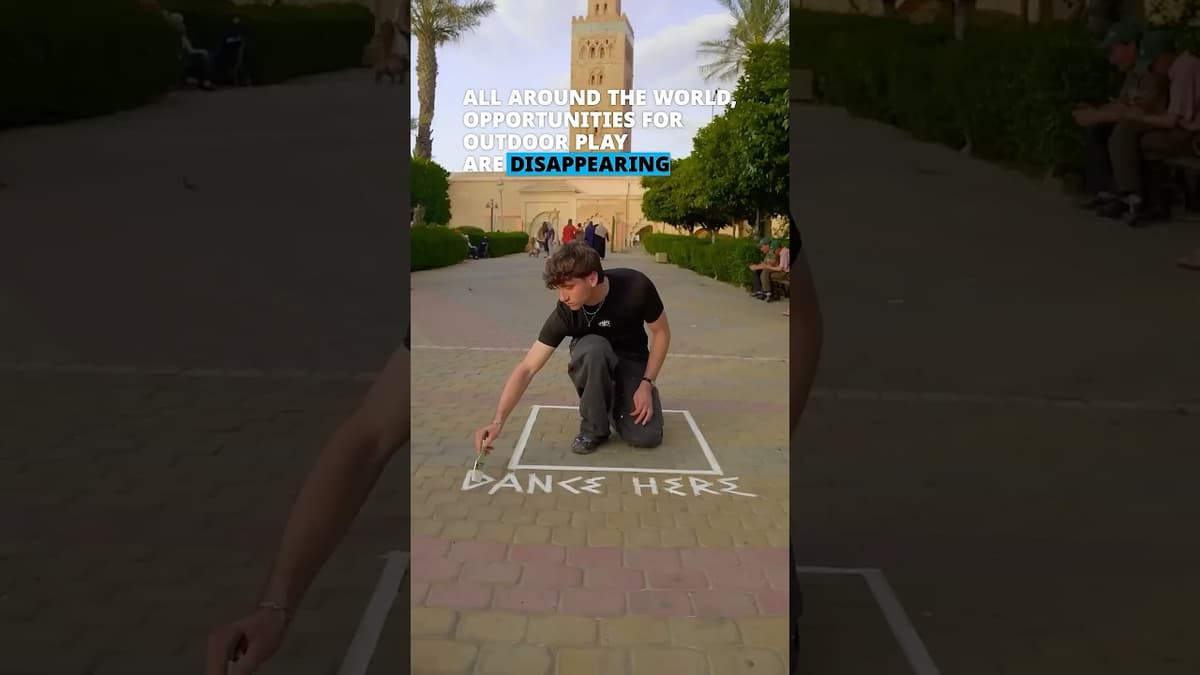
Turning Streets Into Playgrounds | UNICEF
UNICEF’s new urban‑playground program seeks to transform underused streets into safe, child‑friendly play areas, aiming to address the lack of recreational space in densely populated neighborhoods. The pilot, launched in Nairobi, Mumbai, and Bogotá, converted 2.5 km of road into temporary play zones equipped with modular equipment, sand pits, and painted markings. Early data show a 30 % drop in traffic‑related injuries among children under ten and a 15 % increase in daily physical activity measured by wearable sensors. “When a street becomes a playground, the whole community feels the change,” said UNICEF field officer Aisha Patel. Local parents reported higher social cohesion, while city planners highlighted the low‑cost, reversible nature of the installations as a model for future urban policy. If scaled, the approach could reshape city planning, reduce child injury rates, and contribute to broader public‑health goals, positioning UNICEF as a catalyst for sustainable, child‑centric urban design.

How to Talk to Your Teen About Social Media Bans | UNICEF
The UNICEF video offers parents a roadmap for talking to teenagers about emerging social‑media bans, framing the conversation as a chance to understand youth perspectives rather than impose top‑down rules. It stresses selecting a natural, low‑pressure setting—such as a family...

Will Banning Children From Social Media Actually Make Them Safer? | UNICEF
UNICEF challenges the notion that banning children from social media alone will keep them safe, arguing that age limits are a superficial fix for deeper systemic flaws. The agency highlights three critical actions: stronger platform accountability, comprehensive digital‑literacy education, and...