
Video•Mar 11, 2026
US Consumer Sentiment on the Economy Is Dim
The video highlights a bleak picture of U.S. consumer sentiment, noting that confidence indices have stayed in the toilet even as macroeconomic data suggest a resilient economy. Analysts have been debating whether the pessimism reflects a genuine slowdown or merely a vocal minority, but recent readings show only marginal improvement. Key points include the persistence of a K‑shaped recovery, where higher‑income households continue to see gains while lower‑income groups experience deteriorating conditions. A downgrade in the jobs picture from last year has reinforced negative sentiment, and many respondents describe their environment as “slow growth, high price,” echoing stagflation concerns despite the lack of an official diagnosis. One interviewee summed up the mood: “We don’t have to have an official diagnosis of stagflation for people to feel like we’re really in a slow‑growth, high‑price environment.” The discussion also touches on economists’ split view—some argue consumers are over‑reacting, while others see the sentiment as an early warning sign of broader economic strain. The implications are significant: sustained consumer pessimism can curb discretionary spending, pressure corporate earnings, and force policymakers to reconsider monetary tightening or fiscal support. If sentiment continues to lag behind fundamentals, the economy may face a self‑reinforcing slowdown.
By USA TODAY
Video•Mar 11, 2026
Airplane Boarding Isn’t Efficient. Airlines Prefer It that Way.
The video examines why airlines, including Southwest, continue to board passengers by group despite clear evidence that the method is not time‑optimal. It notes that most carriers worldwide have converged on seat‑assigned, group‑based boarding, a practice that prioritizes operational predictability...
By USA TODAY
Video•Mar 11, 2026
Disappointing Economic Indicators Spark Stagflation Worries | The Excerpt
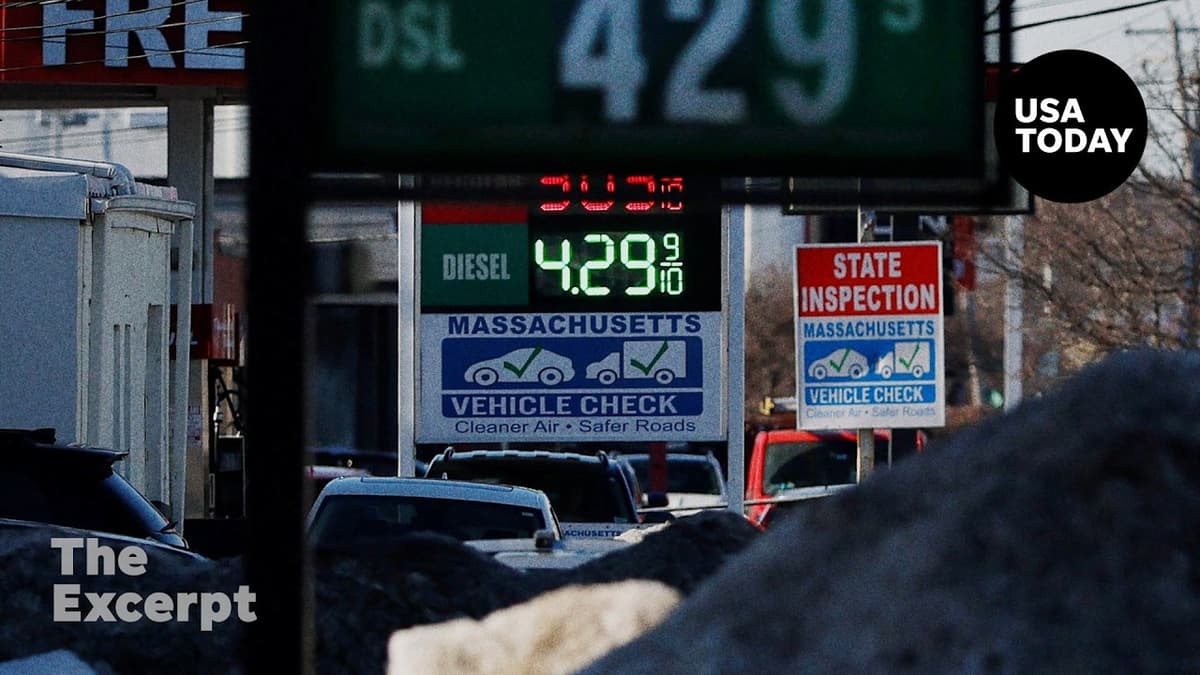
The Excerpt highlighted a confluence of weak economic data that has reignited fears of stagflation in the United States. A surprisingly bleak February jobs report revealed a net loss of 92,000 positions, pushing annual job creation down to roughly 15,000...
By USA TODAY
Video•Mar 10, 2026
US Consumer Sentiment on the Economy Is Dim
The video highlights a bleak picture of U.S. consumer sentiment, noting that confidence in the economy remains depressed even as some recent readings show marginal improvement. Analysts attribute the downturn to a pronounced K‑shaped recovery, where higher‑income households continue to gain...
By USA TODAY
Video•Mar 10, 2026
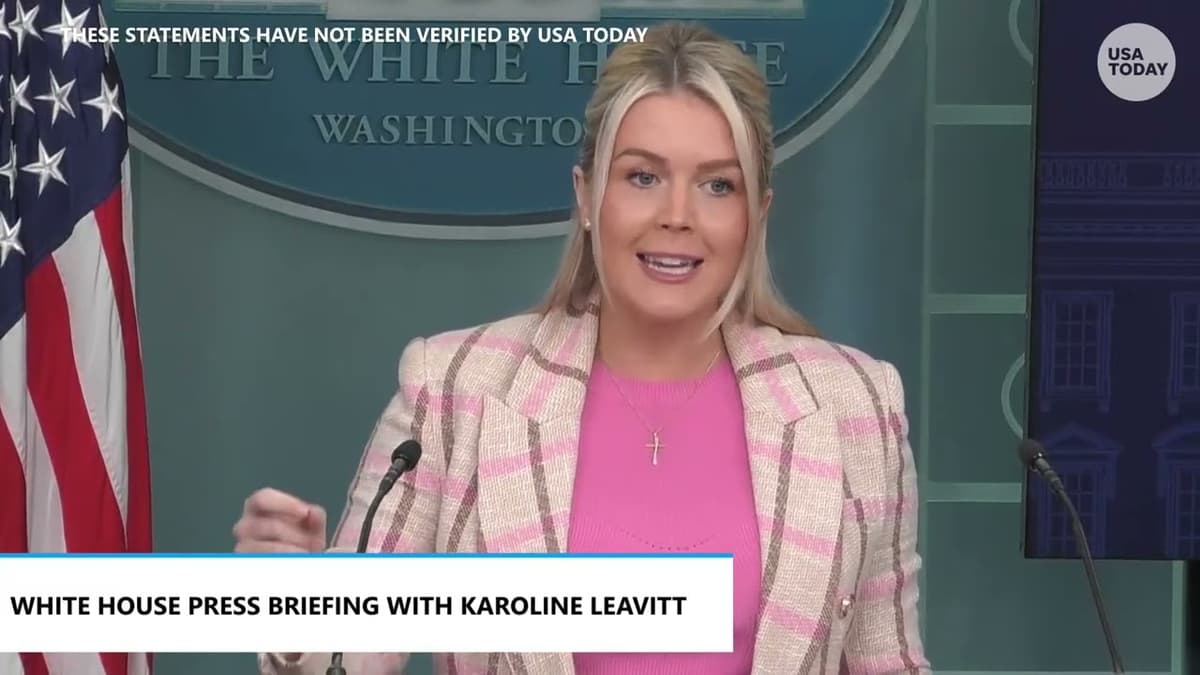
Trump WH Questioned on Iran War: Troops Injured, Boots on the Ground, New Ayatollah & Regime Change
The White House press briefing focused on the escalating conflict with Iran, where President Trump reiterated his authority as commander‑in‑chief and hinted at possible U.S. boots on the ground. Officials fielded questions about sanctions, troop casualties, and the broader strategy...
By USA TODAY
Video•Mar 10, 2026
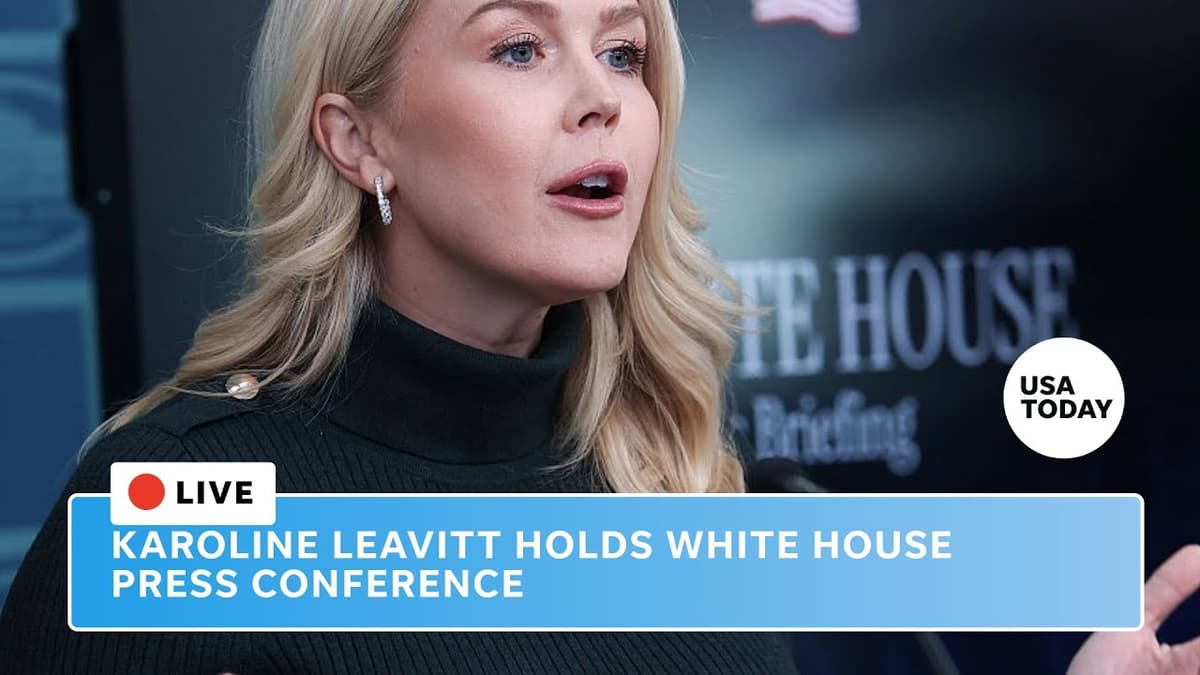
Live: Karoline Leavitt Leads White House Press Briefing as US War with Iran Continues
The White House briefing, led by Karoline Leavitt, focused on the ongoing U.S. military campaign against Iran—dubbed Operation Epic Fury—while outlining President Trump’s upcoming travel itinerary and his push for the Save America Act. The administration highlighted striking metrics: more...
By USA TODAY
Video•Mar 10, 2026
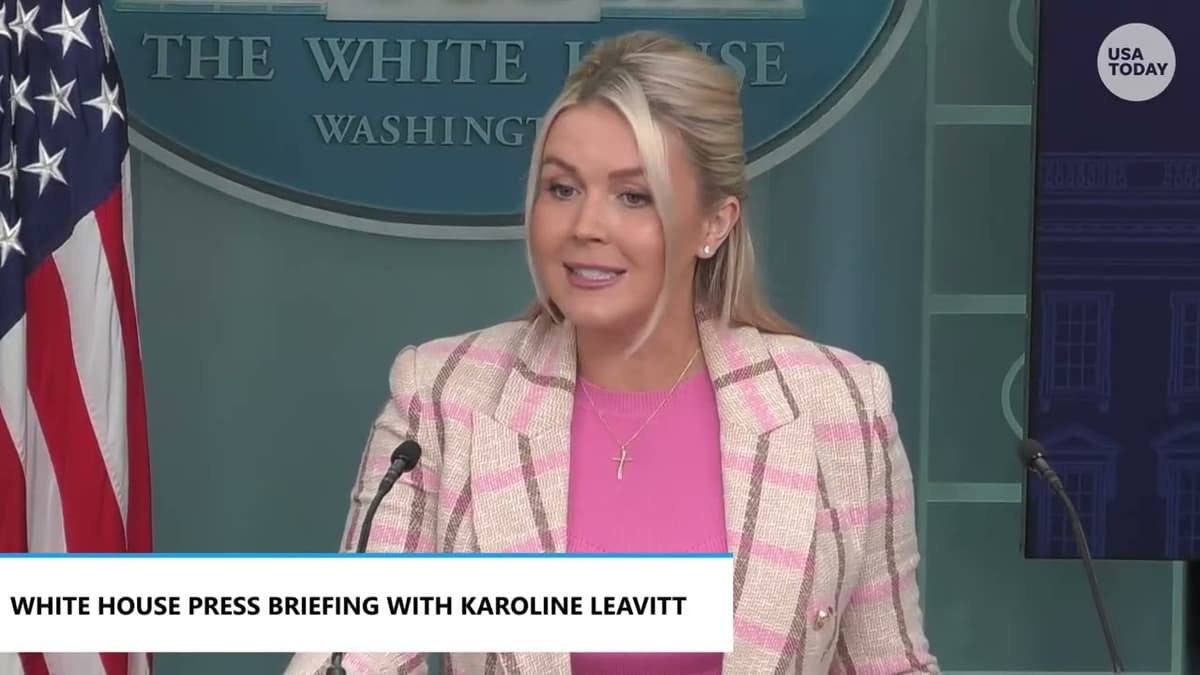
White House Responds to 'SAVE America Act' Claim Married Women Won't Be Allowed to Vote in Elections
The White House addressed a circulating claim that the Save America Act would prevent married women from voting, labeling the allegation as entirely unfounded. In a briefing, officials emphasized that the legislation’s sole voting restriction targets illegal aliens, not U.S....
By USA TODAY