
Recent Posts
Video•Feb 25, 2026
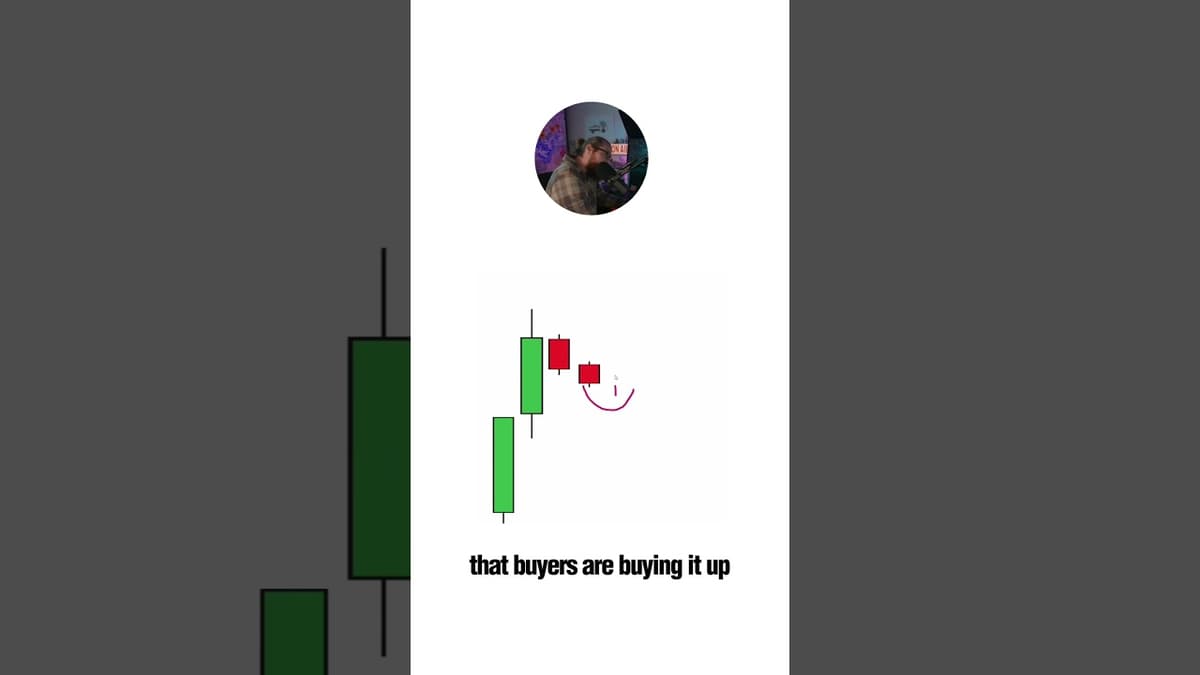
Will This Stock Hold? (Day Trading)
The video walks viewers through a real‑time day‑trading decision, asking whether a volatile stock will hold its level after news releases. The presenter frames the moment as a test of strength: good news should keep the price steady, bad news will push it lower. He explains that a shift in trend is first hinted by a potential Doji candle, which suggests buyers are stepping in at the low. The decisive signal, however, is a green candle that closes above the high of the preceding red candle, marking the first upward pivot. He states, “the second this stock breaks the high of this red candle, I’m a buyer,” and sets his maximum loss at the low of the pullback candle—about ten cents per share in the example. The profit target is then calculated based on the risk‑to‑reward ratio. By tying entry to a clear price breakout and capping risk at a predefined level, traders can execute disciplined trades while limiting downside. This framework helps separate speculative entries from statistically favorable setups, which is crucial for consistent day‑trading performance.
By Warrior Trading (Ross Cameron)
Video•Feb 24, 2026
Knowing when to Pump the Brakes (Day Trading)
The video tackles the psychological and operational pitfalls that day traders face when a hot market cools, emphasizing the need to know when to “pump the brakes” after a loss. The speaker describes a typical pattern: a lucrative streak generates large...
By Warrior Trading (Ross Cameron)
Video•Feb 19, 2026
Green on Halted Stock 👀
Premarket trading halts usually signal material news that can swing a stock dramatically. The video explains that after a biotech announcement, the stock reopened with a large gap, thin volume, and wide spreads, creating a high‑volatility environment. Rather than chasing...
By Warrior Trading (Ross Cameron)