
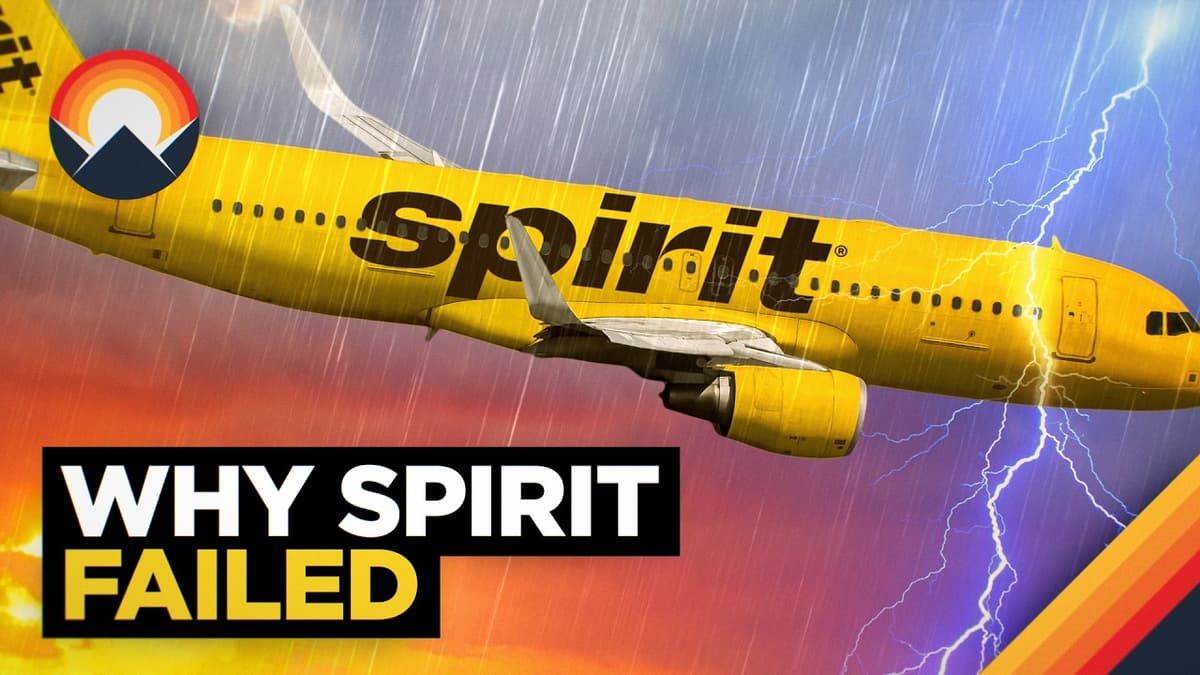
The Problem With Spirit Airlines’ Business Model
The video dissects Spirit Airlines’ rise and ultimate demise, tracing how its ultra‑low‑cost, unbundled model reshaped the U.S. leisure market before collapsing in 2026. It chronicles the carrier’s evolution from a modest charter operation in the 1990s to the seventh‑largest North American airline, driven by relentless fee‑stacking and a homogeneous Airbus A320 fleet. Key insights reveal that while Spirit’s aggressive ancillary fees—$10 for a second bag in 2007, a $45 carry‑on charge in 2010, and a la‑la‑la of paid services—propelled passenger growth to 34 million by 2019, they also entrenched a reputation for poor service. The pandemic’s demand shock, coupled with a broader shift toward premium‑economy seats, squeezed its thin margins, and a 2023 Pratt & Whitney engine recall forced the grounding of dozens of A320neos, draining cash and prompting route cuts. Notable examples include the 1999 lawsuit against Northwest, the 2005 appointment of Ben Baldanza and Indigo Partner’s equity infusion, and the aborted 2022 merger with Frontier versus JetBlue’s higher‑priced bid. The video highlights how legacy carriers introduced “basic economy” products that mimicked Spirit’s price point while leveraging stronger brands, eroding Spirit’s competitive moat. The collapse underscores the fragility of ultra‑low‑cost carriers that rely on a single revenue stream and minimal brand loyalty. It warns investors and policymakers that without diversification, robust fleet reliability, and adaptability to premiumization trends, even the most disruptive business models can falter, reshaping price competition in the airline industry.
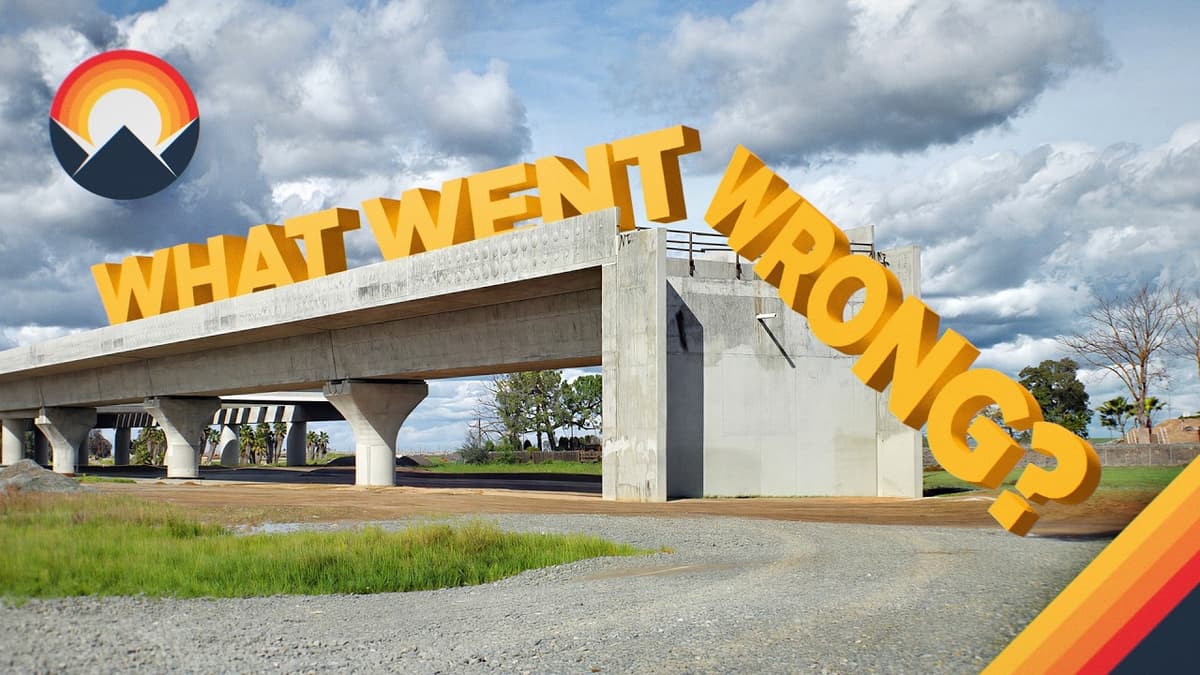
California High-Speed Rail: An Autopsy
The video offers a forensic look at California’s high‑speed rail (HSR) program, tracing its origins from the 1993 legislative mandate through the 2008 voter‑approved Proposition 1A that promised a 2‑hour‑40‑minute Los Angeles‑to‑San Francisco trip. Decades later, the project is seven times over budget,...
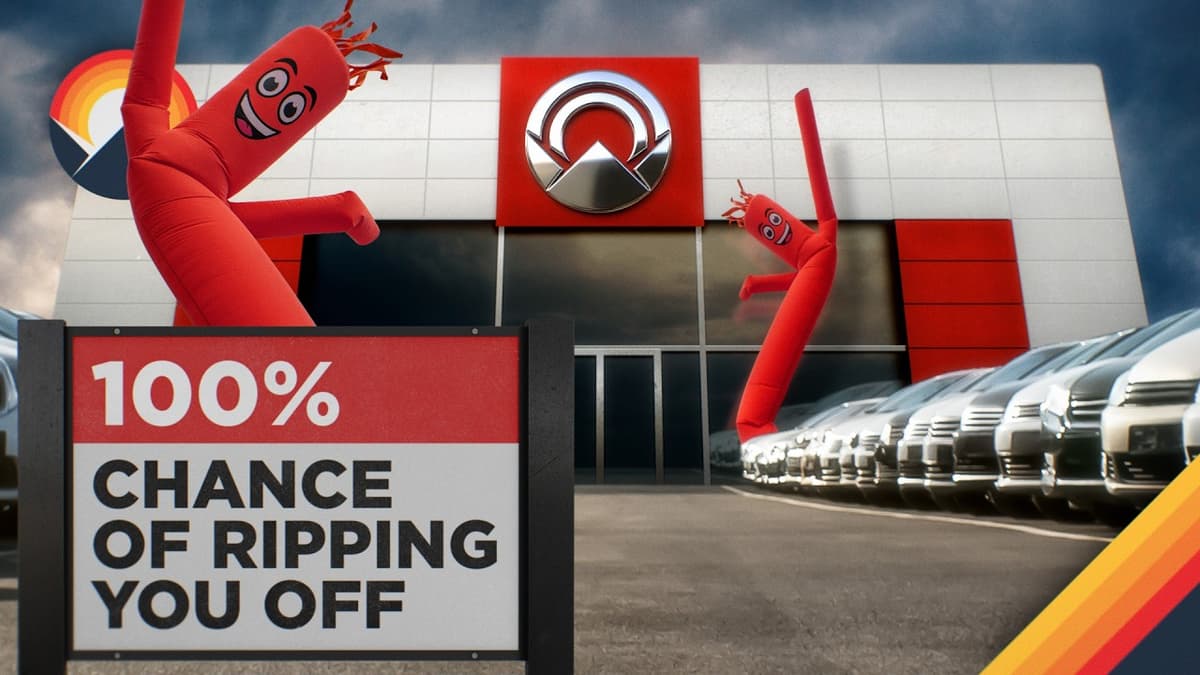
How Car Dealerships Scam America
The video examines how U.S. franchise dealership laws compel every new‑car purchase to go through a franchised dealer, using a Colorado buyer’s Audi Q3 purchase as a case study. It traces the model’s origins to early 20th‑century Ford, explains how state...

The Cartels Running Up Transatlantic Airfares
The video exposes how a handful of airline joint ventures dominate the transatlantic market, effectively turning dozens of carriers into a single pricing entity. By securing antitrust immunity from both the European Commission and the U.S. Department of Transportation, these...