Recent Posts
Video•Mar 1, 2026
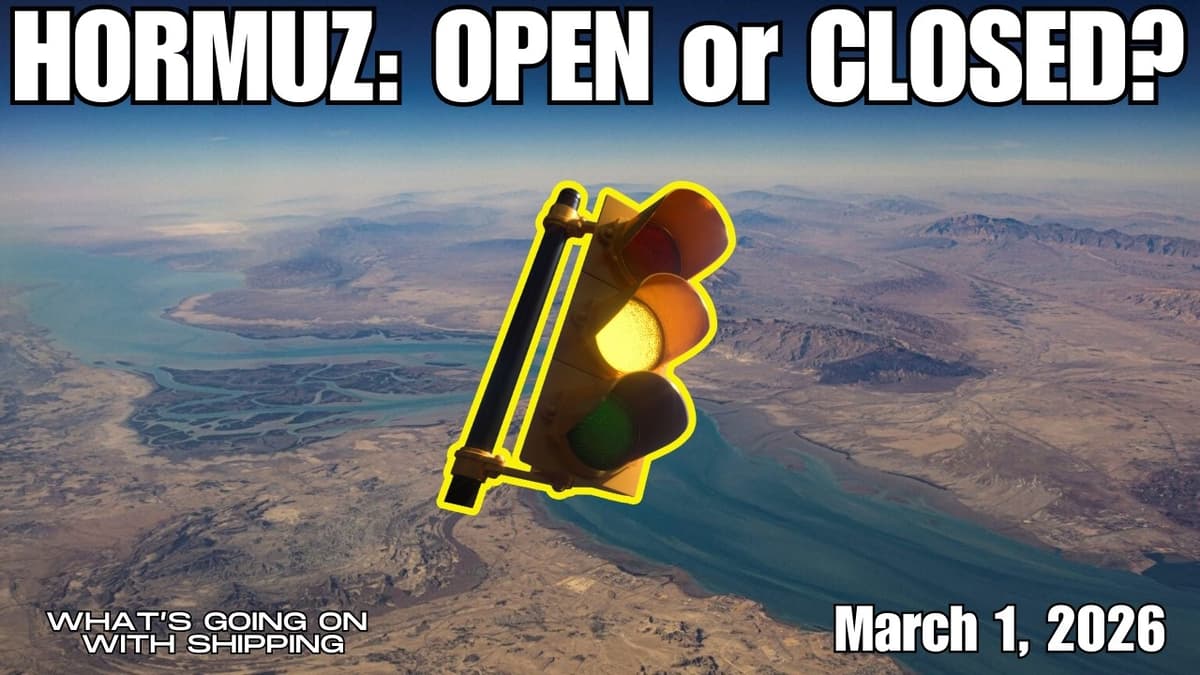
Ships Stranded at Hormuz: 1 March 2026 Update | Is the Strait Open or Closed?
The March 1 2026 video assesses whether the Strait of Hormuz is open or closed, focusing on real‑time shipping activity and oil flow amid escalating U.S.–Israel strikes on Iran. Host Sal Maglaniano uses MarineTraffic data to show a dramatic drop in green cargo dots and red tanker dots, with dozens of vessels anchored at traditional waiting areas off Iran, Oman and the UAE, indicating that carriers are pausing transit pending security clarity. Key insights include a surge in war‑risk insurance demands; standard P&I coverage no longer suffices, and insurers now require costly Additional Protection (AP) policies before vessels can risk the strait. This insurance hurdle, combined with the threat of missiles, drones, and naval engagements—highlighted by Operation Epic Fury, the sinking of an Iranian corvette, and disputed missile strikes on the USS Abraham Lincoln—has forced many tankers and container ships to remain idle. Lloyd’s List reports over 150 oil and gas tankers and roughly 170 container vessels (about 450,000 TEUs) stuck in the Gulf, while major lines such as MSC, CMA CGM, and Hapag‑Lloyd have ordered ships to seek shelter. Sal cites specific incidents to illustrate the volatility: the fire aboard the sanctioned tanker Skylight near Oman, port suspensions in Dubai, Oman and Bahrain after missile interceptions, and heightened VHF and AIS advisories from the UK Maritime Trade Operations. He also notes spoofing of AIS signals, underscoring the operational challenges for mariners navigating a densely militarized environment. The implications are significant: roughly 20% of global oil passes through Hormuz, and any prolonged constraint threatens supply to East Asian economies—China, Japan, South Korea—and could trigger higher freight rates, rerouting via the Red Sea, and broader market volatility. Shipping firms must balance insurance costs against the risk of loss, while policymakers watch a chokepoint whose status can influence worldwide energy security.
By What’s Going on With Shipping? (Sal Mercogliano)
Video•Feb 19, 2026
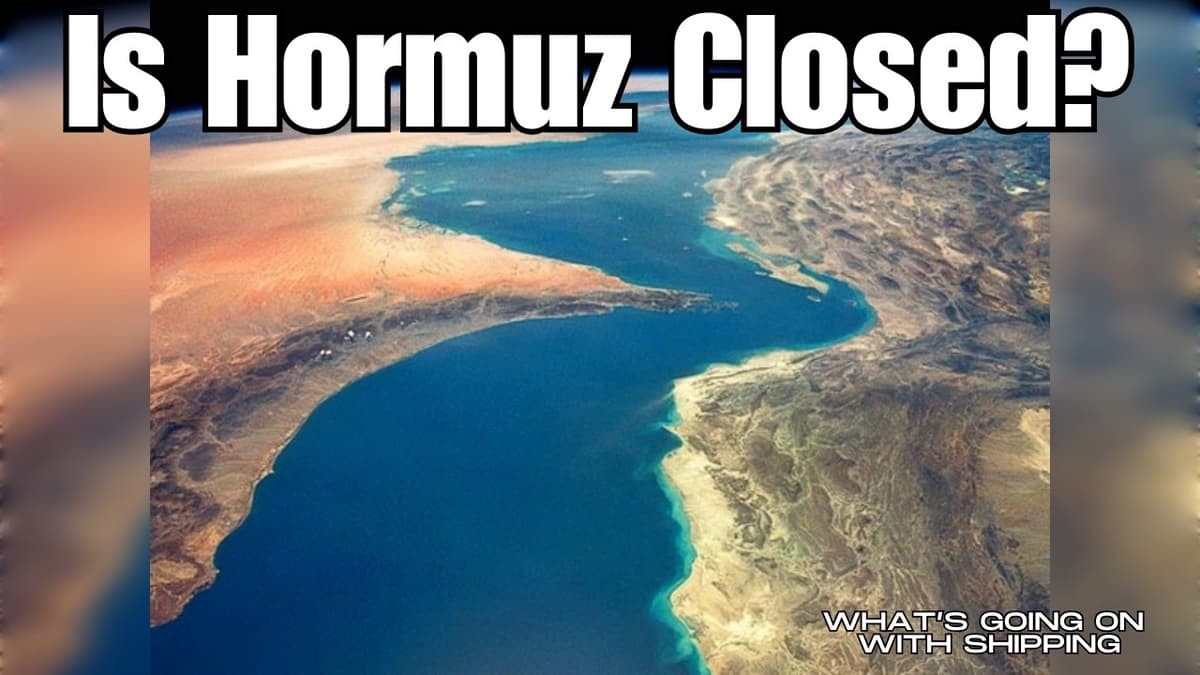
Is The Strait of Hormuz Closed? | Did Iran Close the Strait for a Military Exercise | NO!!!
Iran announced a temporary, partial closure of the Strait of Hormuz on February 17 to conduct live‑fire drills coinciding with renewed nuclear talks with the United States. The shutdown affected only a small segment of the waterway and lasted a...
By What’s Going on With Shipping? (Sal Mercogliano)
Video•Feb 17, 2026
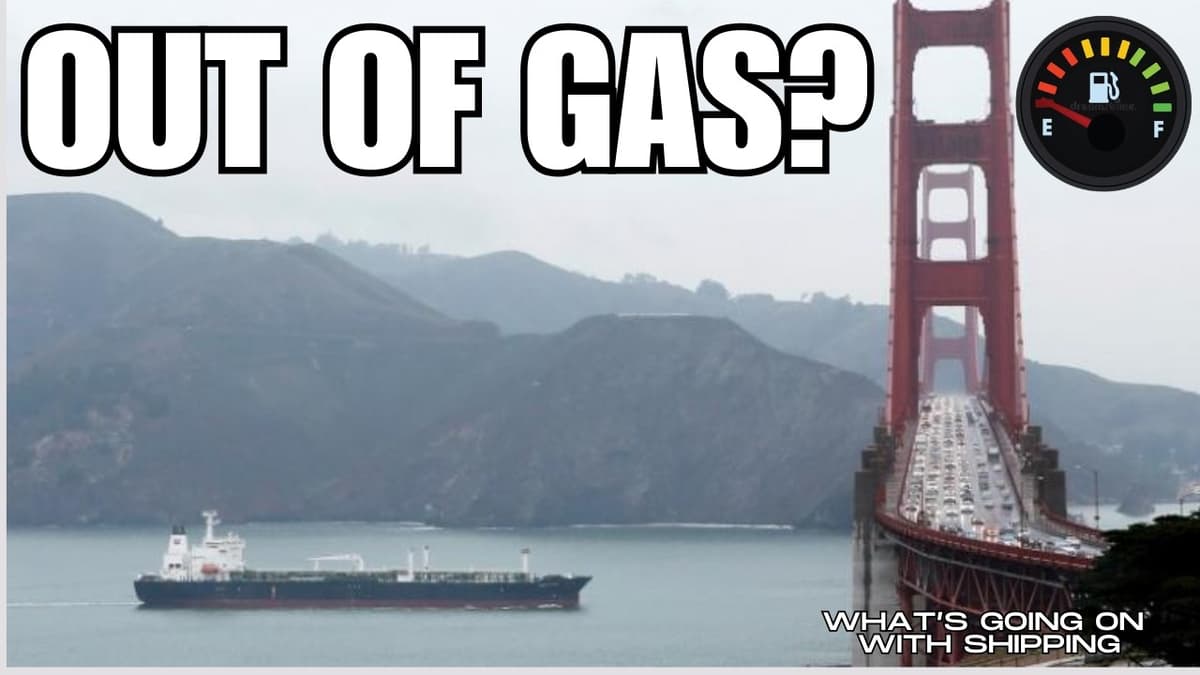
Fuel Starved California Is Getting Gas From the Bahamas | Refineries, Pipelines & the Jones Act
California is now sourcing roughly 40% of its gasoline imports from the Bahamas. The shift is driven by a wave of refinery closures, limited on‑shore storage, and constrained interstate pipeline capacity. A 106‑year‑old maritime provision in the Jones Act provides...
By What’s Going on With Shipping? (Sal Mercogliano)
Video•Feb 15, 2026
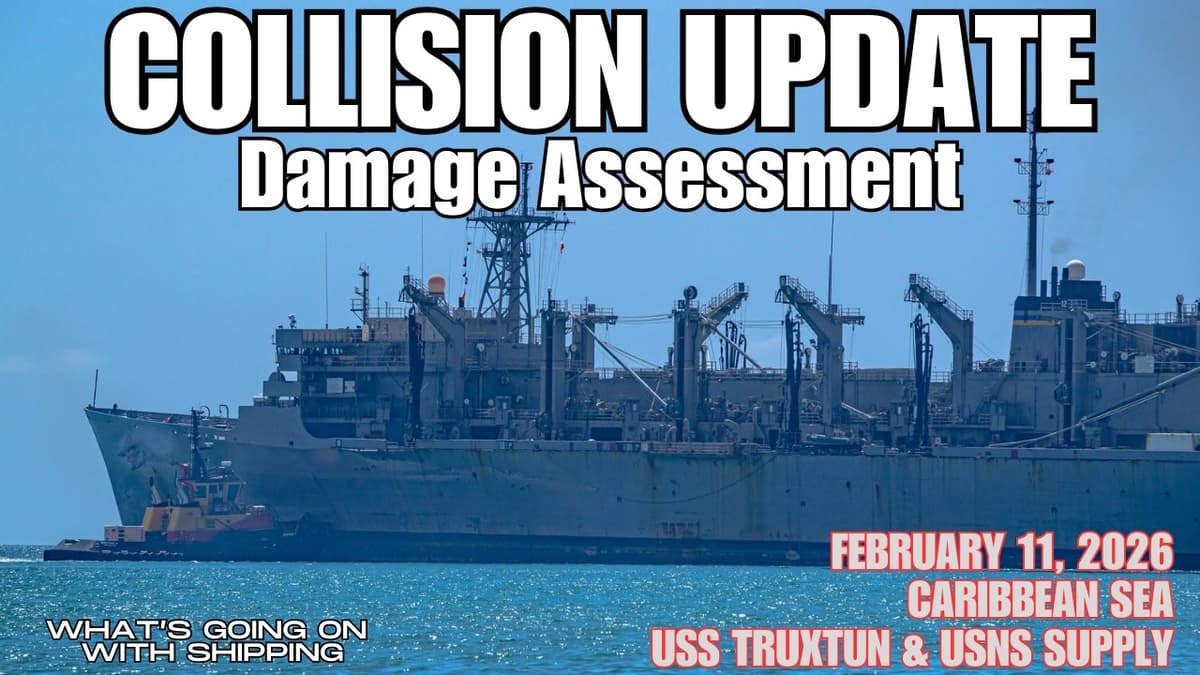
UPDATE: Collision Between USS Truxtun & USNS Supply on February 11, 2026 | Damage Assessment
On February 11, 2026, the guided‑missile destroyer USS Truxtun collided with the fast combat stores ship USNS Supply during an underway replenishment in the Caribbean Sea. High‑resolution video and port‑side images from Ponce, Puerto Rico, show hull damage to both...
By What’s Going on With Shipping? (Sal Mercogliano)
Video•Feb 13, 2026
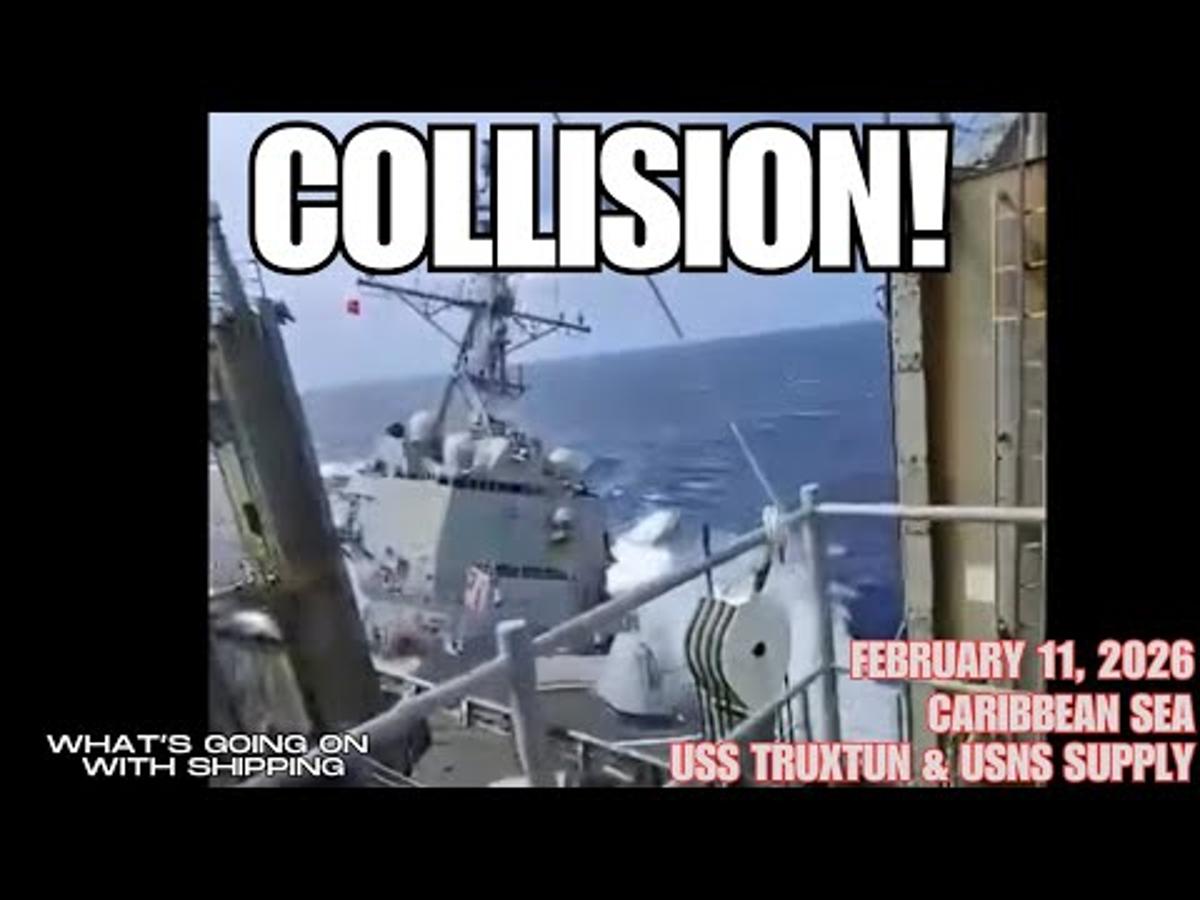
COLLISION: USS Truxtun & USNS Supply Collide in the Caribbean, Feb 11, 2026 | Two Videos
On February 11, 2026, the guided‑missile destroyer USS Truxtun (DDG‑103) collided with the Military Sealift Command fast combat support ship USNS Supply (T‑AOE‑6) in the Caribbean Sea. The incident occurred during an underway replenishment (UNREP) operation, a complex maneuver that...
By What’s Going on With Shipping? (Sal Mercogliano)
Video•Feb 9, 2026
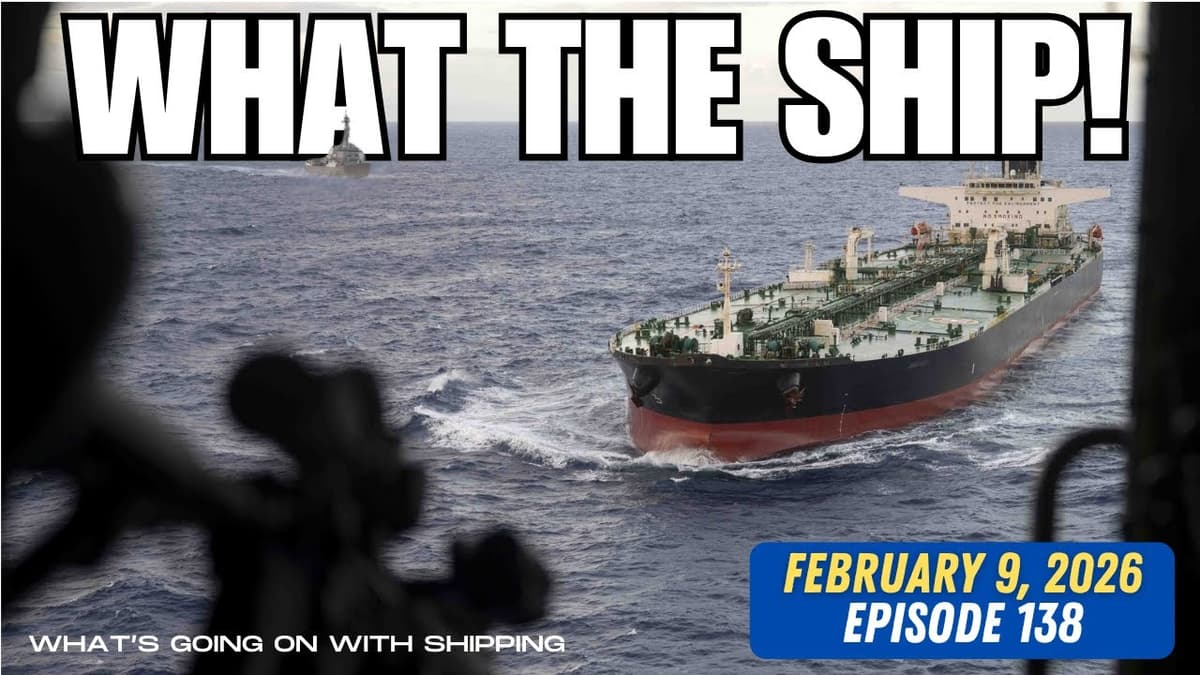
What the Ship (Ep138) | Tanker Seizures | Russia Oil | Panama | Net Zero | Containers
The February 9, 2026 episode of What the Ship highlighted five critical maritime developments. First, the United States and allied coast guards intensified sanctions enforcement, seizing a seventh shadow‑fleet tanker and detaining vessels linked to Venezuela and Iran. Second, Russia’s...
By What’s Going on With Shipping? (Sal Mercogliano)