
50. The New Wave of Satellite Communications
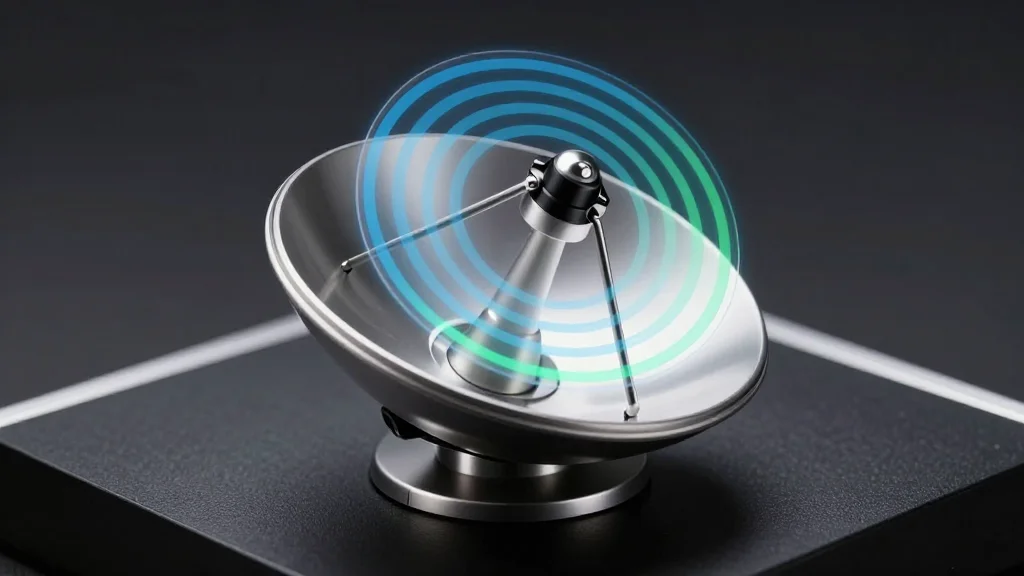
In this 50th episode of Wildest Future, Eric Larsson and Emil Björnsson explore the emerging wave of low‑Earth‑orbit (LEO) satellite communications. They contrast traditional geostationary satellites—used for TV broadcasting and requiring only a few large dishes—with the new constellations of thousands of LEO satellites that promise high‑speed data services but demand sophisticated phased‑array antennas and precise tracking. The hosts discuss technical challenges such as Doppler shift, beamforming, and reliance on GPS for timing, as well as concerns about space debris and spectrum management. Emil brings practical experience from his work on antenna arrays, while Eric provides a broader tech‑policy perspective.
49. Insights From the NYU Wireless Workshop
In episode 49, Eric Larsson recounts his experience at NYU's 6G workshop, which celebrated 20 years of massive MIMO and explored its future. The discussion highlighted why massive MIMO often underperforms in real networks—operators’ abundant spectrum leads to frequency‑division scheduling...
48. Non-Uniform Antenna Arrays and Movable Antennas
In this episode Emil Björnsson and Eric Larson discuss antenna arrays, focusing on the shift from uniform, half‑wavelength spaced grids to more flexible, non‑uniform designs for future massive MIMO and 6G systems. They explain how massive MIMO works—using many more...
47. Everyone Talks About Integrated Sensing and Communications
In this episode of Wireless Future, Erik Larsson and Emil Björnsson explore Integrated Sensing and Communications (ISAC) as a key pillar of 6G. They define ISAC as the fusion of radar‑type environmental sensing with traditional cellular communication, outlining four integration...