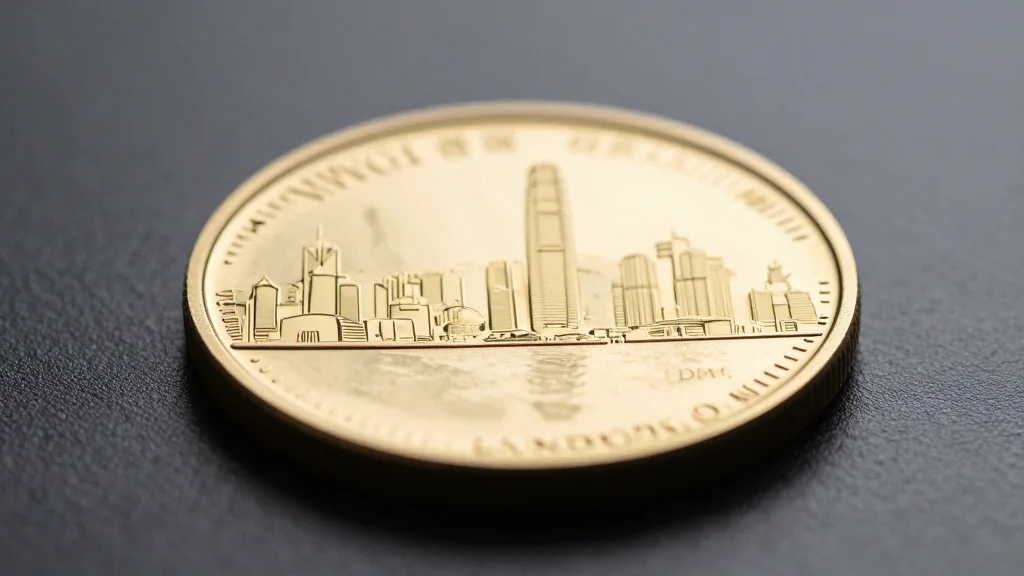
Hong Kong Executes First Regulated Stablecoin Transaction on Ethereum

Companies Mentioned

Why It Matters
The HKDAP pilot validates Hong Kong’s ambition to become a regulated hub for stablecoins, offering a template for how banks, telecoms and blockchain firms can collaborate under clear oversight. By proving that a fiat‑backed token can move seamlessly on Ethereum while satisfying AML/KYC requirements, the test reduces regulatory uncertainty that has hampered crypto adoption in the region. If the HKMA expands licensing based on this success, Hong Kong could attract issuers seeking a reputable jurisdiction, potentially drawing liquidity away from other Asian markets. A trusted HK‑denominated stablecoin would also simplify cross‑border settlements for businesses operating between Hong Kong, mainland China and Southeast Asia, strengthening the city’s position as a financial gateway.
Key Takeaways
- •Anchorpoint Financial completed the first regulated HKDAP stablecoin transaction on Ethereum on May 13.
- •The pilot covered token issuance, fiat redemption and bank settlement under HKMA supervision.
- •Standard Chartered provides custody for 100 % reserve backing; OSL Group and Futu supplied fintech infrastructure.
- •HKDAP is pegged 1:1 to the Hong Kong dollar and operates on Ethereum for DeFi interoperability.
- •The successful test gives Hong Kong a competitive edge in Asia’s emerging stablecoin licensing race.
Pulse Analysis
Hong Kong’s regulated stablecoin experiment arrives at a pivotal moment for the broader crypto ecosystem. After years of regulatory ambiguity, the city now offers a concrete, government‑backed pathway for fiat‑backed tokens, a model that could be replicated across jurisdictions seeking to balance innovation with consumer protection. The involvement of heavyweight players—Standard Chartered’s banking muscle, Animoca Brands’ blockchain expertise, and HKT’s distribution network—signals that the market perceives real commercial value in a compliant HKD stablecoin.
From a market perspective, the choice of Ethereum is both strategic and risky. Ethereum’s dominance ensures HKDAP can tap into existing liquidity pools and DeFi applications, but the network’s fee volatility could deter everyday users unless layer‑2 solutions or alternative roll‑ups are adopted. Moreover, the token’s success will depend on building a robust on‑ramp/off‑ramp ecosystem; the participation of OSL Group and Futu suggests that the necessary bridges are being constructed, yet widespread merchant adoption remains an open question.
Looking ahead, the HKMA’s forthcoming assessment will likely set the tone for future licensing. A swift approval of additional stablecoin issuers could create a network effect, drawing global crypto firms to Hong Kong’s regulated environment. Conversely, if the regulator tightens requirements or if the pilot reveals operational bottlenecks, the city could lose momentum to Singapore’s more flexible approach. For investors, the HKDAP pilot offers an early indicator of where regulated crypto capital may flow in the next 12‑18 months, making it a bellwether for Asia’s stablecoin future.
Hong Kong Executes First Regulated Stablecoin Transaction on Ethereum
Comments
Want to join the conversation?
Loading comments...