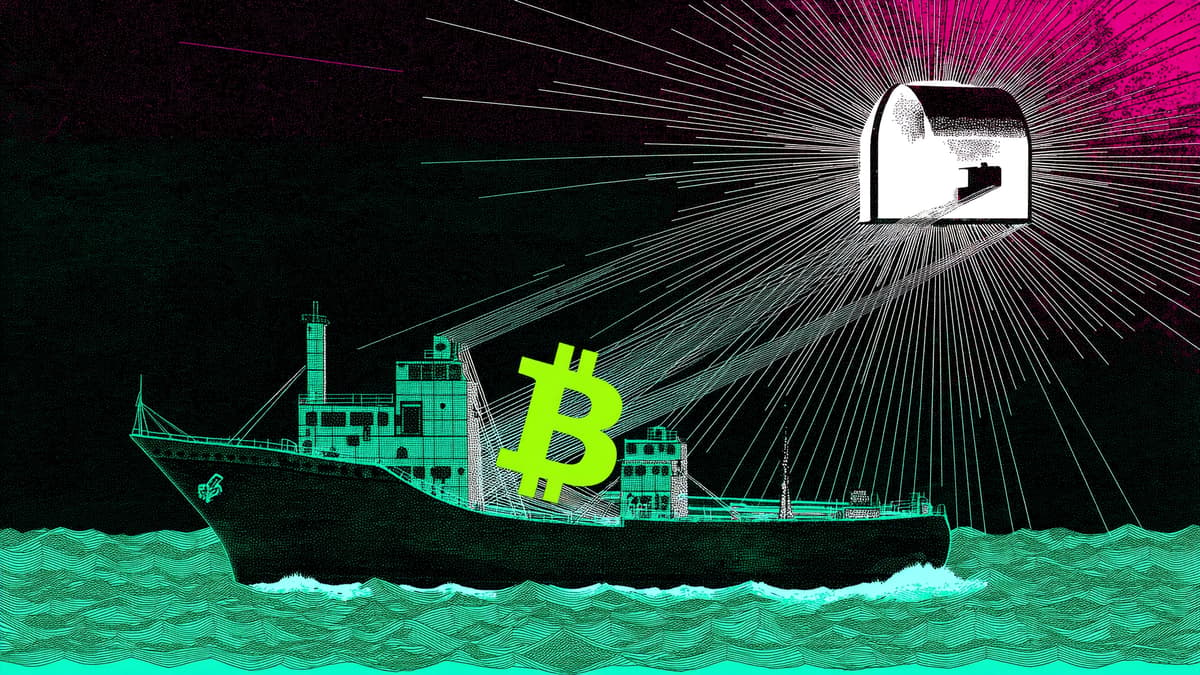
Iran Launches Bitcoin-Settled Insurance Platform for Hormuz Strait Shipping
Companies Mentioned
Why It Matters
The platform could streamline claim settlements for a key oil‑shipping corridor while offering Iran a tool to evade financial sanctions, reshaping risk management in maritime trade.
Key Takeaways
- •Hormuz Safe uses Bitcoin to settle maritime insurance claims.
- •Platform targets shipments through Strait of Hormuz, a key oil route.
- •Bypasses traditional banks, potentially evading U.S. sanctions.
- •Success hinges on international recognition and sanction risk management.
- •Could spur broader crypto adoption in high‑risk logistics sectors.
Pulse Analysis
The Strait of Hormuz carries roughly one‑third of the world’s petroleum cargo, making it a chokepoint for both commercial profit and geopolitical tension. Shipping firms traditionally rely on maritime insurers who settle claims through correspondent banks, a process that can be slowed by sanctions, currency controls, and paperwork. By introducing Hormuz Safe, Iran offers a Bitcoin‑based settlement layer that promises near‑instant payouts, immutable records, and reduced reliance on the SWIFT network. For operators, this could translate into lower administrative costs and faster recovery after incidents such as piracy or accidental spills.
Iran’s decision to embed cryptocurrency into a critical infrastructure reflects a broader state‑level push to sidestep U.S. secondary sanctions. Bitcoin’s borderless nature allows insurers and ship owners to transact without exposing themselves to prohibited financial institutions, but the platform also inherits the volatility and compliance uncertainties of digital assets. Moreover, the lack of international recognition means many counterparties may hesitate to engage, fearing enforcement actions. The success of Hormuz Safe will therefore depend on its ability to provide stable pricing mechanisms, robust KYC/AML safeguards, and credible legal frameworks.
If Hormuz Safe gains traction, it could catalyze a wave of crypto‑enabled insurance products across high‑risk logistics corridors such as the South China Sea and the Gulf of Aden. Competitors may launch similar platforms using stablecoins or tokenized risk pools, prompting regulators to clarify the treatment of crypto‑settled insurance under existing maritime law. Investors watching the sector should monitor transaction volumes, settlement speed, and any regulatory crackdowns, as these factors will shape the market’s appetite for blockchain‑based risk management solutions in global trade.
Iran Launches Bitcoin-Settled Insurance Platform for Hormuz Strait Shipping
Comments
Want to join the conversation?
Loading comments...