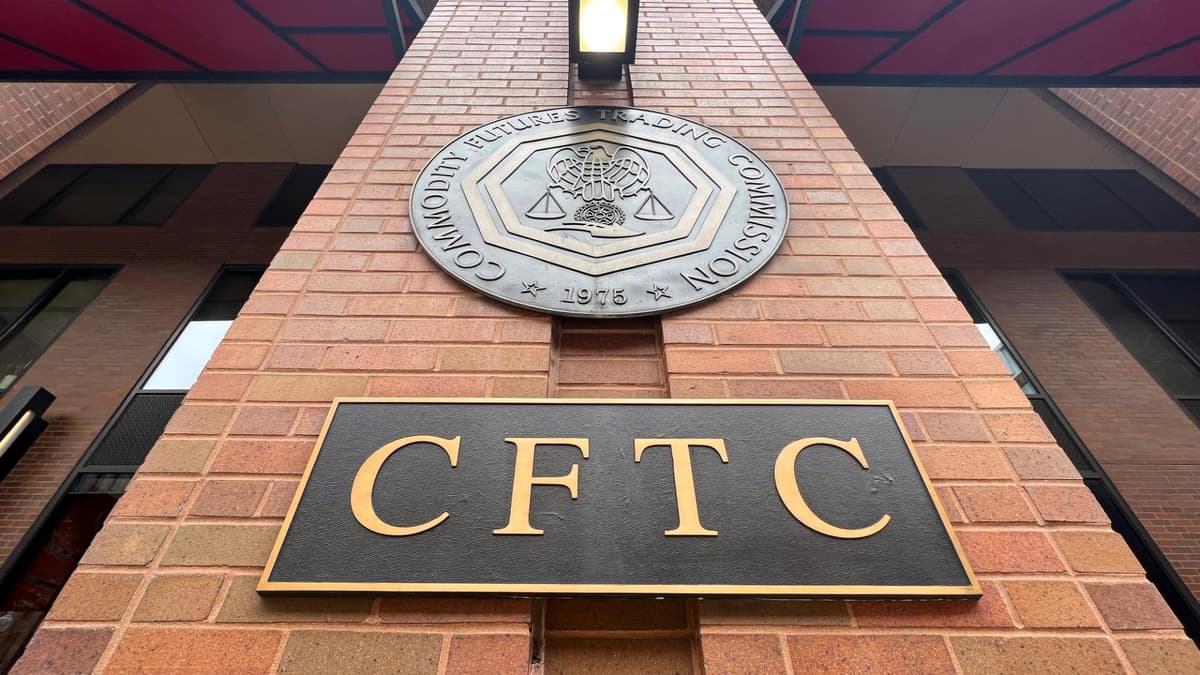
U.S. Regulator Says 24/7 Trading Is Great for Crypto, May Not Be Fit for Other Sectors
Companies Mentioned
Why It Matters
The CFTC’s split stance signals a regulatory divergence that could reshape how different asset classes trade, influencing market structure, compliance costs, and investor protection across the derivatives landscape.
Key Takeaways
- •CFTC greenlights crypto perpetual futures with 24/7 trading.
- •Advisory warns 24/7 may harm liquidity in non‑crypto derivatives.
- •Agricultural futures cited as unsuitable for round‑the‑clock markets.
- •Regulators urge extra compliance for firms extending trading hours.
- •Coinbase plans to offer equities, futures, prediction markets 24/7.
Pulse Analysis
Continuous trading has become a hallmark of digital asset markets, driven by blockchain’s immutable ledger and global user base. By permitting 24/7 perpetual futures, the CFTC acknowledges that crypto platforms can sustain round‑the‑clock liquidity, leveraging stablecoin collateral and mobile‑first interfaces. This move aligns U.S. policy with overseas exchanges that already operate nonstop, potentially attracting institutional capital seeking seamless exposure to crypto price movements.
However, the commission cautions that not all derivatives are built for perpetual operation. Products tied to physical commodities, such as grain or livestock futures, depend on regional supply cycles and market participants who trade during specific windows. Extending these markets to 24/7 could dilute depth, widen spreads, and open gaps for manipulation when surveillance is thin. The CFTC therefore recommends heightened risk controls, real‑time monitoring, and transparent reporting for firms that pursue expanded hours, aiming to preserve market integrity while fostering innovation.
The divergent guidance creates a clear regulatory fork: crypto‑native firms can capitalize on continuous access, while traditional exchanges may need to justify any shift toward nonstop trading. Market participants will likely evaluate cost‑benefit trade‑offs, balancing customer demand for immediacy against the operational burden of additional compliance. As the industry adapts, we can expect a gradual segmentation of derivative markets, with technology‑driven platforms leading the 24/7 frontier and legacy venues maintaining focused, time‑bounded sessions.
U.S. regulator says 24/7 trading is great for crypto, may not be fit for other sectors
Comments
Want to join the conversation?
Loading comments...