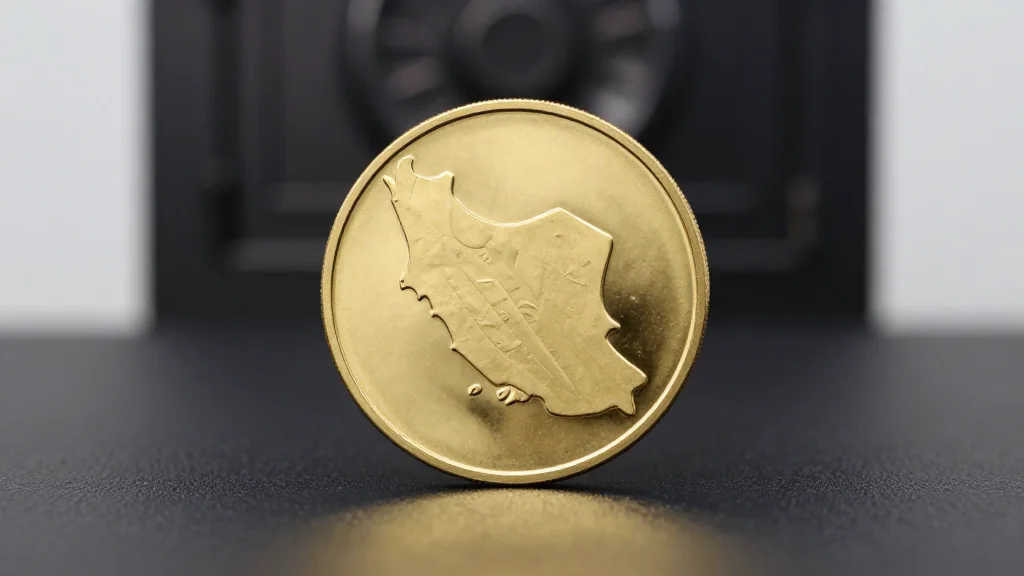
US Sanctions Shock Crypto Markets as Middle East Risks Deepen
Companies Mentioned
Why It Matters
Targeting crypto infrastructure raises compliance costs and limits Iran's ability to bypass sanctions, affecting energy markets and cross‑border finance worldwide.
Key Takeaways
- •U.S. sanctions hit Nobitex, Iran's top crypto exchange.
- •Treasury seized roughly $1 billion in Iranian crypto assets.
- •Sanctions now extend from banks to digital‑asset platforms.
- •Iran's crypto revenue over 50% of national digital income.
- •Global firms face heightened AML and sanctions‑compliance scrutiny.
Pulse Analysis
The Treasury’s decision to blacklist Nobitex marks the first large‑scale U.S. sanction aimed directly at a cryptocurrency exchange in the Middle East. By labeling the platform as a conduit for sanctions evasion, Washington is signaling that digital wallets are no longer a safe haven for sanctioned economies. Nobitex processed more than half of Iran’s crypto inflows in 2025, making it a critical node for converting digital tokens into fiat. The move follows a broader campaign that has already targeted Iranian shipping firms and the newly created Persian Gulf Strait Authority.
Investors and commodity traders are watching the ripple effects closely. The seizure of roughly $1 billion in Iranian crypto holdings reduces Tehran’s ability to fund proxy operations and to smooth out oil‑price volatility through alternative finance channels. At the same time, banks and fintech companies that facilitate cross‑border payments must now expand their sanctions‑screening tools to include blockchain addresses and decentralized finance protocols. Failure to do so could expose them to hefty fines, reputational damage, and loss of correspondent‑bank relationships.
Looking ahead, the integration of crypto into geopolitical strategy suggests a new compliance frontier. Companies operating in high‑risk regions will need to adopt real‑time blockchain analytics, strengthen know‑your‑customer (KYC) processes, and coordinate with regulators on emerging guidance. For investors, the episode underscores the importance of diversifying exposure away from assets that can be abruptly frozen by policy shifts. As the U.S. continues to blend traditional sanctions with digital‑asset enforcement, the cost of ignoring crypto‑related risk will only rise.
US Sanctions Shock Crypto Markets as Middle East Risks Deepen
Comments
Want to join the conversation?
Loading comments...