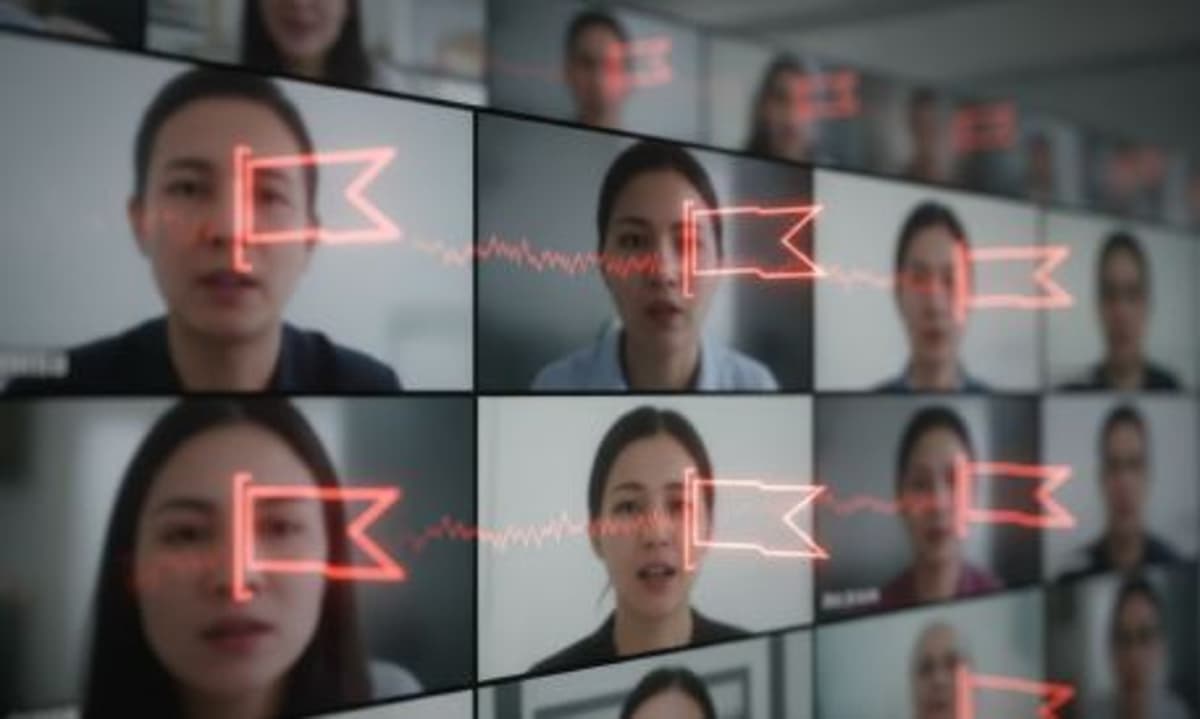
Deepfakes Leave Digital Forensics Expert Doubting His Abilities
Why It Matters
The erosion of reliable visual evidence threatens democratic discourse and exposes financial institutions to sophisticated AI‑driven fraud, demanding faster, more resilient detection tools.
Key Takeaways
- •Hany Farid admits AI deepfakes outpace forensic analysis speed.
- •Deepfake detection takes longer than misinformation spreads on social media.
- •Synthetic borrowers use AI to evade underwriting, creating costly fraud.
- •55% of companies deploy AI security, yet attack costs keep falling.
- •Farid's move to rural Vermont underscores growing expert burnout.
Pulse Analysis
The rise of generative AI has turned deepfakes from a novelty into a strategic weapon, and even the world’s leading digital‑forensics authority, Hany Farid, admits his tools are lagging. Farid’s work, which once helped law‑enforcement and media outlets separate truth from fabrication, now contends with content that can go viral in under a minute. By the time a forensic analyst completes a frame‑by‑frame review, the false narrative often solidifies in public perception, eroding trust in visual evidence and pressuring experts to reinvent their methodologies.
Financial services are feeling the ripple effect. A recent PYMNTS report describes “synthetic borrowers” – AI‑engineered personas that combine deepfake video, voice cloning, and fabricated financial histories to pass automated underwriting checks. These engineered identities can secure loans, disappear, and leave lenders with unrecoverable losses. Traditional fraud models relied on inconsistencies that human fraudsters eventually revealed; today, algorithmic optimization creates borrowers that look and act like legitimate customers, turning data abundance into a liability rather than a safeguard.
The industry’s response is a paradox. While 55% of companies are investing in AI‑driven cybersecurity solutions, the same technology lowers the barrier for criminals, making attacks cheaper and more scalable. This arms race underscores the need for real‑time detection, collaborative threat intelligence, and regulatory frameworks that address AI‑generated deception. For enterprises and policymakers, the challenge is twofold: accelerate forensic capabilities to match the velocity of misinformation and redesign risk models that no longer assume more data equals more certainty. The stakes span from preserving democratic discourse to protecting billions in loan portfolios, making deepfake mitigation a top priority for the digital economy.
Deepfakes Leave Digital Forensics Expert Doubting His Abilities
Comments
Want to join the conversation?
Loading comments...