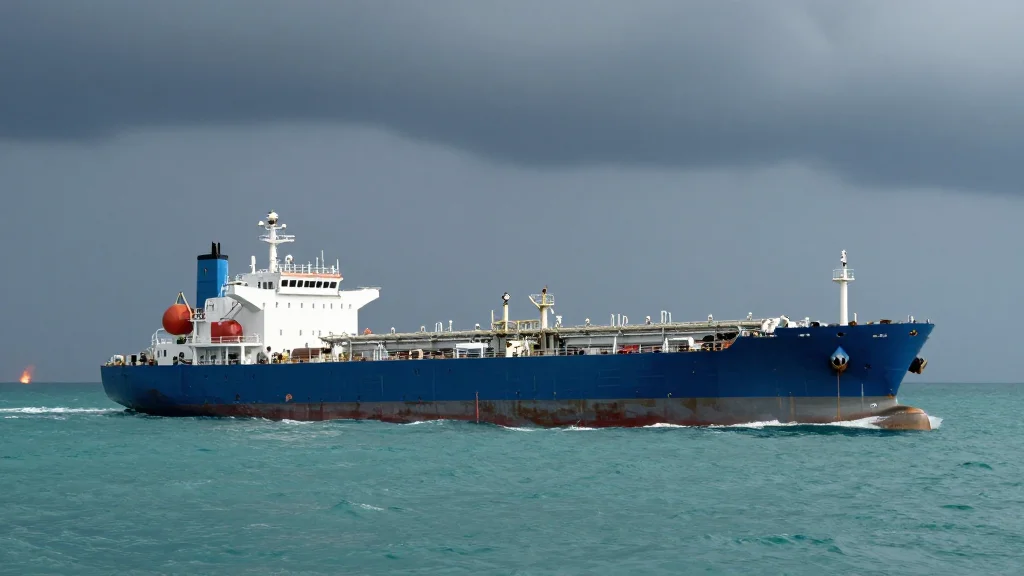
First Chinese Tanker Attacked Near Hormuz As Beijing Urges Waterway Reopened
Key Takeaways
- •Chinese product tanker attacked near Al Jeer, first Chinese hit in war
- •Beijing urged swift Hormuz reopening, citing global trade safety
- •Attack adds pressure on Iran amid U.S. 14‑point proposal
- •Trump‑Xi summit may influence joint US‑China diplomatic push
Pulse Analysis
The Strait of Hormuz, through which roughly 20% of global oil passes, has become a flashpoint as Iranian forces retaliated against U.S. merchant escorts. The recent assault on a Chinese‑owned tanker not only underscores the widening scope of the conflict but also signals that non‑Western commercial interests are now directly vulnerable. Analysts note that the incident could prompt insurers to raise premiums and shippers to reroute cargo, amplifying supply‑chain disruptions already felt across Asia.
China’s rapid diplomatic response reflects its growing stake in Middle‑East stability. By publicly demanding the strait’s reopening, Beijing positions itself as a neutral broker capable of influencing both Tehran and Washington. This stance dovetails with President Xi’s broader strategy to showcase China as a global stabilizer, especially ahead of President Trump’s scheduled visit to Beijing. The timing suggests Beijing may leverage the crisis to extract concessions on unrelated issues such as Taiwan or trade, while still preserving its energy security interests.
Market participants are closely watching how the episode will affect oil prices. Any prolonged closure of Hormuz could tighten crude supplies, pushing Brent and U.S. WTI toward historic highs and prompting strategic petroleum reserves releases. Moreover, the incident adds urgency to diplomatic channels, with the U.S. 14‑point proposal under review and Pakistan mediating. Should the Trump‑Xi summit yield a coordinated approach, it could accelerate a de‑escalation, restore shipping confidence, and stabilize global energy markets.
First Chinese Tanker Attacked Near Hormuz As Beijing Urges Waterway Reopened
Comments
Want to join the conversation?