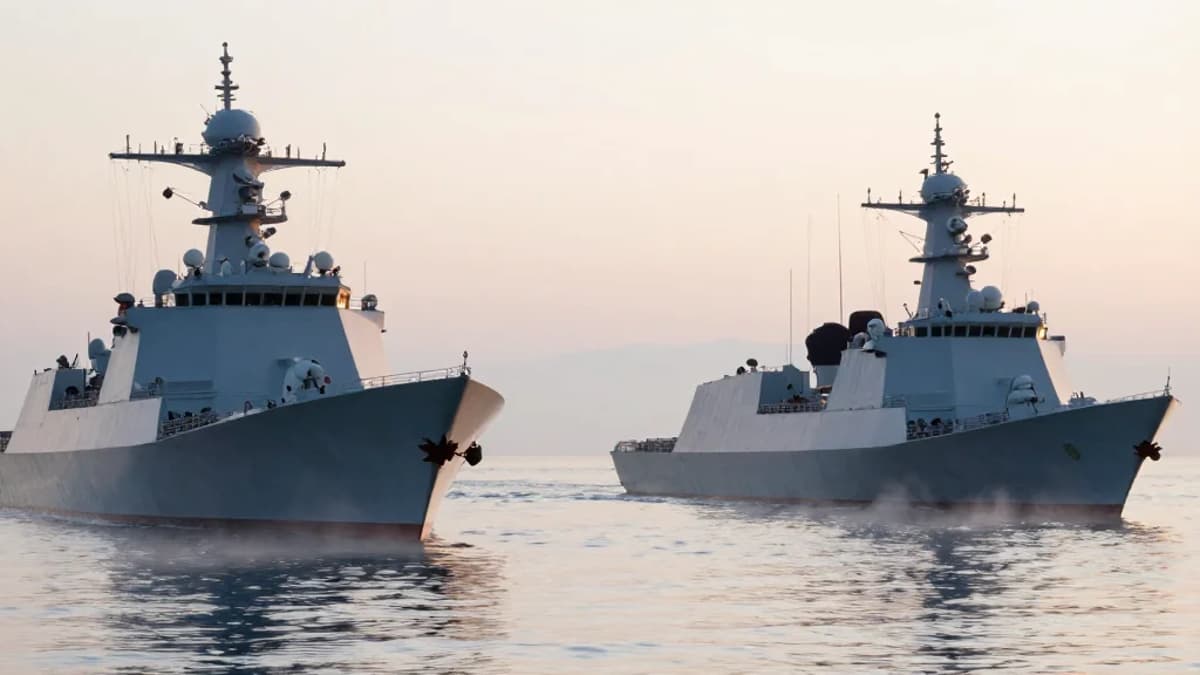
In Brief: Increasing Tensions Between China and Japan Create Risks for the Region
•March 3, 2026
0
Key Takeaways
- •Japan boosts defense budget after Taiwan warning
- •China may expand naval drills near Japanese EEZs
- •Joint China‑Russia patrols increase regional security risks
- •Beijing could tighten rare‑earth exports to Japanese firms
Summary
Tensions between China and Japan have escalated after Japanese Prime Minister Sanae Takaichi’s November statement linking Japan’s response to a potential Chinese attack on Taiwan. Japan’s recent electoral win has enabled a surge in defense spending, while China signals willingness to broaden military exercises and coordinate with Russia near Japan’s waters. Experts warn of heightened maritime confrontations, expanded sanctions, and tighter export‑control measures targeting Japanese firms, especially in rare‑earths and seafood. The combined political, military, and economic pressures raise the risk of regional instability.
Pulse Analysis
The latest flare‑up between Beijing and Tokyo stems from a November declaration by Prime Minister Sanae Takaichi, suggesting Japan would militarily intervene if China moves against Taiwan. That rhetoric, combined with a decisive electoral victory, has unlocked a wave of defense spending in Japan, signaling a shift toward a more assertive security posture. Analysts see this as a catalyst for a broader strategic competition in the Indo‑Pacific, where both nations are recalibrating force postures and diplomatic messaging to protect national interests.
Military analysts warn that China could extend its maritime exercises into Japan’s exclusive economic zones, especially around the contested Senkaku/Diaoyu islands. Coordinated patrols with Russia in the East China Sea would further complicate de‑confliction, raising the probability of accidental encounters between naval or coast‑guard vessels. Such scenarios could quickly spiral into larger confrontations, prompting regional allies to reconsider force deployments and alliance commitments, while investors monitor defense‑related equities for volatility.
Beyond the battlefield, Beijing is poised to leverage economic levers, tightening rare‑earth export controls and imposing informal sanctions on Japanese firms. Restrictions on seafood, tourism, and even cultural exchanges, such as panda loans, illustrate a broader strategy to exert pressure without direct conflict. These moves threaten supply‑chain resilience for high‑tech industries reliant on Japanese‑Chinese trade, prompting multinational corporations to diversify sourcing and policymakers to explore alternative mineral pathways. The convergence of political, military, and economic tactics underscores the heightened risk profile for the region and the global markets that depend on its stability.
Comments
Want to join the conversation?