Middle East at the Brink: Norm Roule on Iran, Israel, and the High-Stakes Struggle Taking Shape
Key Takeaways
- •Iran's missile barrage escalates Israel tensions, threatens regional stability
- •Strait of Hormuz blockade cuts Iran oil to under 300,000 bpd
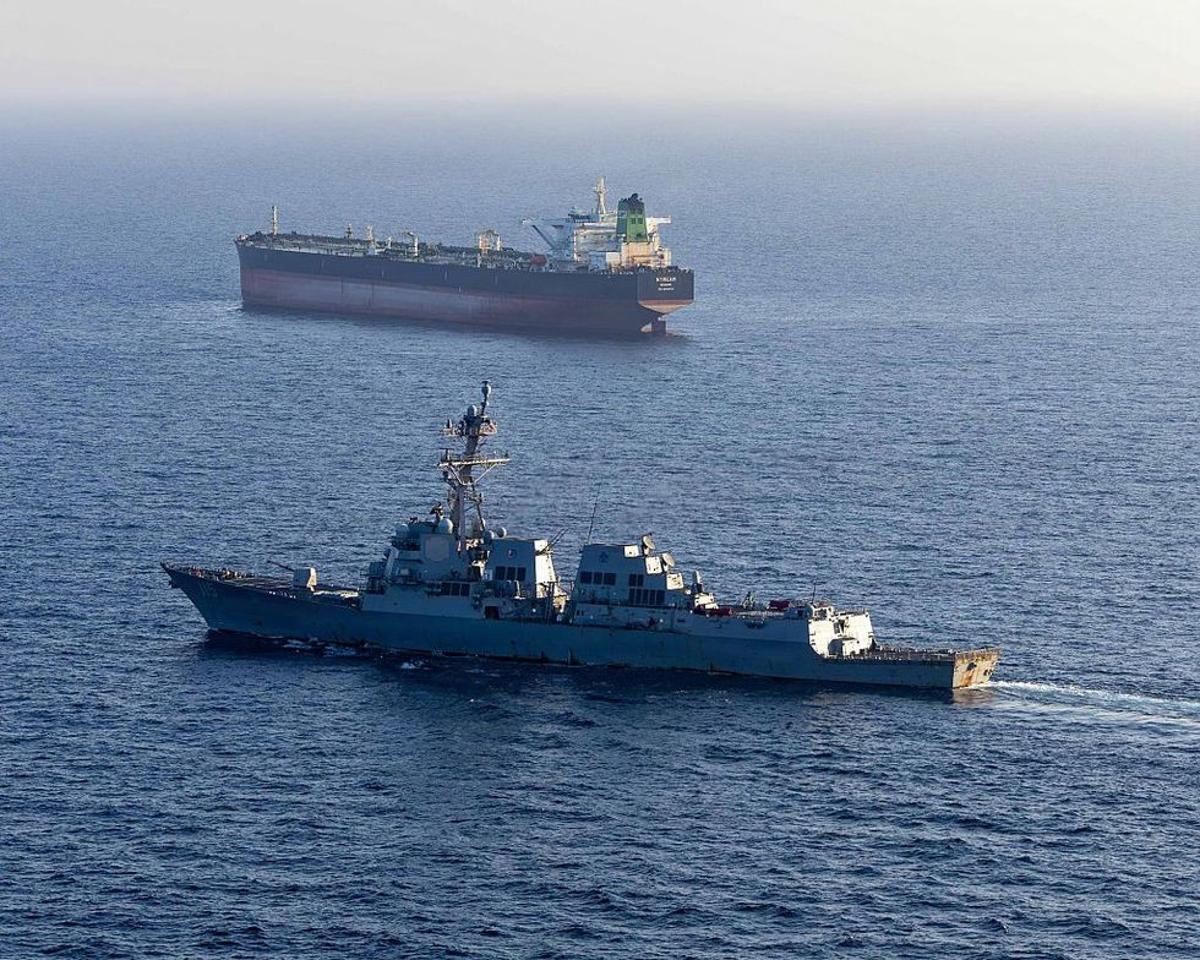
- •U.S. naval actions deter Iranian drones but shipping insurance costs rise
- •Iran seeks fees for ship passage, risking further sanctions
- •Energy markets absorb shock via diversified supply, but price volatility persists
Pulse Analysis
The latest missile exchange between Iran and Israel underscores a broader strategic shift in the Middle East, where Tehran is leveraging both conventional strikes and its proxy network to extract political concessions. By targeting Israeli airbases and threatening the already tense Strait of Hormuz, Iran signals its willingness to expand the conflict beyond the battlefield, forcing Washington to balance deterrence with diplomatic outreach. This multi‑layered crisis reflects a classic Iranian playbook: using asymmetric tools to amplify leverage while keeping the risk of full‑scale war at a manageable level.
Economically, the blockade of the Strait of Hormuz has already truncated Iran’s oil output to under 300,000 barrels per day, a steep drop from pre‑sanctions levels of 1.4‑1.8 million bpd. The reduction translates into a loss of roughly 15% of Iran’s GDP, fuelling soaring inflation and a rial that trades at about 1.7 million per dollar. Shipping firms reroute through Omani waters, but the heightened threat environment inflates marine insurance premiums and disrupts global supply chains. Energy traders have responded by leaning on diversified sources—from U.S. shale to Brazilian and Guyanese production—yet price spikes in Europe and Asia persist, reflecting lingering market anxiety.
Looking ahead, the trajectory of nuclear negotiations will be the decisive factor in de‑escalating the region. A credible memorandum of understanding would need to pair incremental sanctions relief with verifiable Iranian concessions on enrichment and proxy activities. Until such a framework materializes, investors should monitor insurance cost trends, vessel traffic data in the Gulf, and any shifts in U.S. naval posture. The interplay of diplomatic progress and continued maritime pressure will shape oil price dynamics and the broader risk calculus for businesses exposed to Middle‑East energy markets.
Middle East at the Brink: Norm Roule on Iran, Israel, and the High-Stakes Struggle Taking Shape
Comments
Want to join the conversation?