10-Day Israel-Hezbollah Ceasefire Takes Hold as Iran Reopens Strait of Hormuz

Companies Mentioned
Why It Matters
The ceasefire between Israel and Hezbollah removes the immediate risk of a broader regional conflagration, allowing military planners on both sides to stand down forces that have been on high alert for months. It also creates a diplomatic opening for the United States to press Tehran on its nuclear program and proxy activities, using the reopening of the Strait of Hormuz as leverage. For global energy markets, a functional Hormuz corridor reduces the risk of a supply shock that could push oil prices sharply higher, stabilizing economies still reeling from pandemic‑era disruptions. If the truce holds, it could set a precedent for U.S.‑brokered pauses in other proxy conflicts across the Middle East, potentially curbing the influence of Iran‑aligned militias in Iraq, Syria and Yemen. Conversely, a breakdown would likely reignite hostilities, trigger a surge in oil prices, and force NATO and regional allies to reassess force postures along the eastern Mediterranean and Gulf corridors.
Key Takeaways
- •10‑day ceasefire between Israel and Hezbollah began on April 17, announced by President Donald Trump
- •Iran’s Revolutionary Guard declared the Strait of Hormuz fully open for commercial vessels, but the U.S. blockade remains in force
- •Israeli PM Benjamin Netanyahu affirmed a 10‑km security buffer zone in southern Lebanon will stay in place
- •Oil prices fell as markets priced in reduced risk of a Hormuz disruption, with Brent crude slipping below $80 a barrel
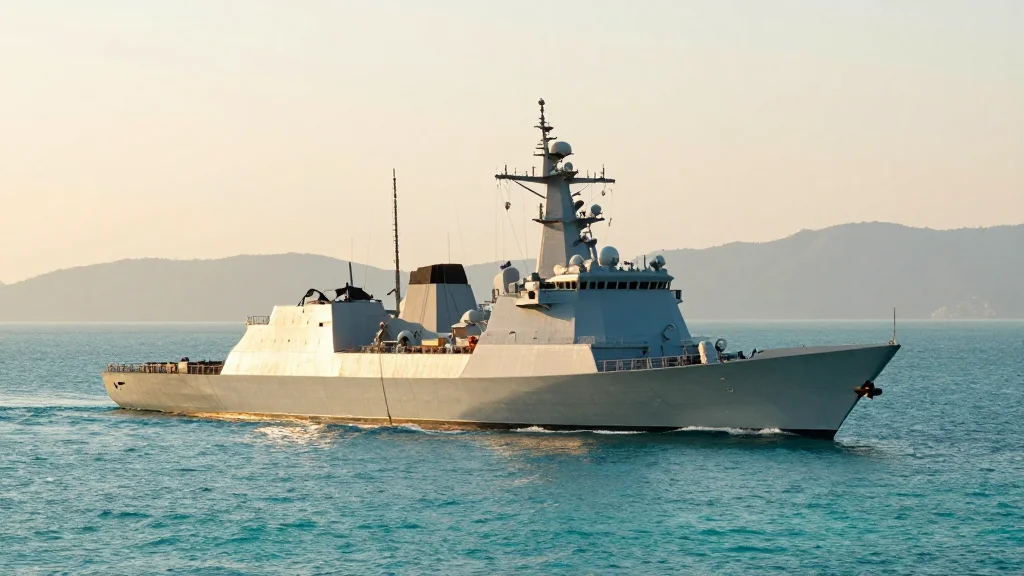
- •U.S. forces have redirected 21 naval ships back to Iranian waters since the blockade began
Pulse Analysis
The Trump administration is leveraging the Lebanon ceasefire as a diplomatic bargaining chip in its broader strategy to extract concessions from Tehran. By coupling a high‑visibility pause in Israel‑Hezbollah fighting with a public declaration that the Strait of Hormuz is open, Washington signals both willingness to de‑escalate and resolve to maintain economic pressure on Iran. This dual‑track approach mirrors Cold War‑era brinkmanship, where limited concessions are offered to extract larger strategic gains.
From a defense perspective, the ceasefire reduces immediate operational tempo for the Israeli Defense Forces and Hezbollah, allowing both to regroup, re‑equip, and reassess command structures. For the U.S. military, the lull eases the strain on naval assets deployed to enforce the blockade and monitor Hormuz, potentially freeing resources for other theaters such as the Indo‑Pacific. However, the retention of a 10‑kilometre buffer zone by Israel signals that the underlying territorial dispute remains unresolved, and any future Israeli withdrawal would likely be contingent on Hezbollah’s disarmament—a demand Tehran may resist.
The market reaction underscores how tightly intertwined security and economics have become in the region. While oil prices dipped, the underlying volatility persists; any perceived reversal—such as a renewed Iranian closure of Hormuz—could trigger a rapid price spike. Analysts will watch Pakistan’s mediation role closely; a successful U.S.–Iran deal could cement Islamabad’s status as a regional diplomatic hub, while a failure may push Tehran to double‑down on proxy warfare, further destabilizing the defense calculus across the Middle East.
10-Day Israel-Hezbollah Ceasefire Takes Hold as Iran Reopens Strait of Hormuz
Comments
Want to join the conversation?
Loading comments...