AETC Preps Next-Gen Simulators for Future Pilots
Companies Mentioned
Why It Matters
The initiative boosts pilot readiness while controlling training costs, and it sets a new benchmark for military flight simulation that could reshape the broader aerospace training market.
Key Takeaways
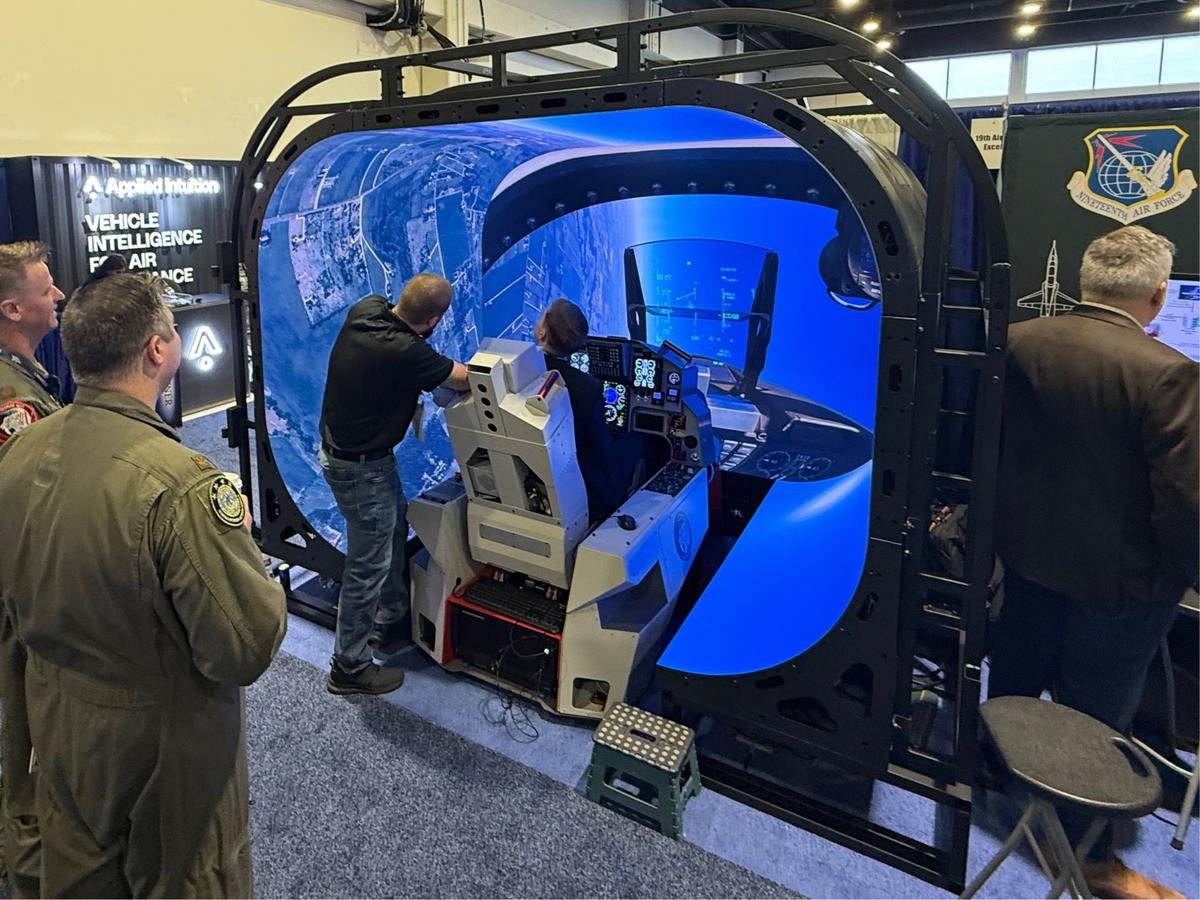
- •AETC ordered over 30 enhanced immersive training devices (eLTDs).
- •eLTDs integrate real T‑38 controls for full emergency‑procedure training.
- •Advanced visual pods provide 360° LED screens, costing $1 million each.
- •Mixed‑reality setups reduce eye fatigue compared with standard VR headsets.
- •Industry pressure from AETC drives next‑gen simulator development for pilots.
Pulse Analysis
The Air Force has long relied on incremental upgrades to ground‑based training, from WWII Link Trainers to today’s computer‑aided mock‑ups. Detachment 24’s latest push reflects a strategic shift toward high‑fidelity, cost‑effective solutions that mimic the tactile feel of an actual jet cockpit. By embedding genuine T‑38 throttles, sticks, and switches into the eLTDs, trainees can rehearse critical emergency procedures without ever leaving the classroom, preserving valuable flight hours for operational aircraft.
Beyond tactile realism, the new visual pods address a persistent limitation of conventional virtual‑reality headsets: eye strain after 40‑45 minutes of use. The curved LED panels deliver a seamless 360‑degree field of view, allowing pilots to practice advanced maneuvers with depth perception comparable to real flight. Although each pod carries a $1 million price tag, AETC plans to deploy them selectively for the most demanding training scenarios, balancing performance gains against budget constraints.
The ripple effect extends to the defense industry, where contractors are now compelled to accelerate the development of immersive training hardware. The upcoming T‑7 Red Hawk Ground‑Based Training System, which promises integrated cockpit replication and real‑time linkage with airborne aircraft, builds on the eLTD concept. As the Air Force modernizes its pilot pipeline, these innovations promise faster skill acquisition, reduced training costs, and a competitive edge in maintaining air superiority.
AETC Preps Next-Gen Simulators for Future Pilots
Comments
Want to join the conversation?
Loading comments...