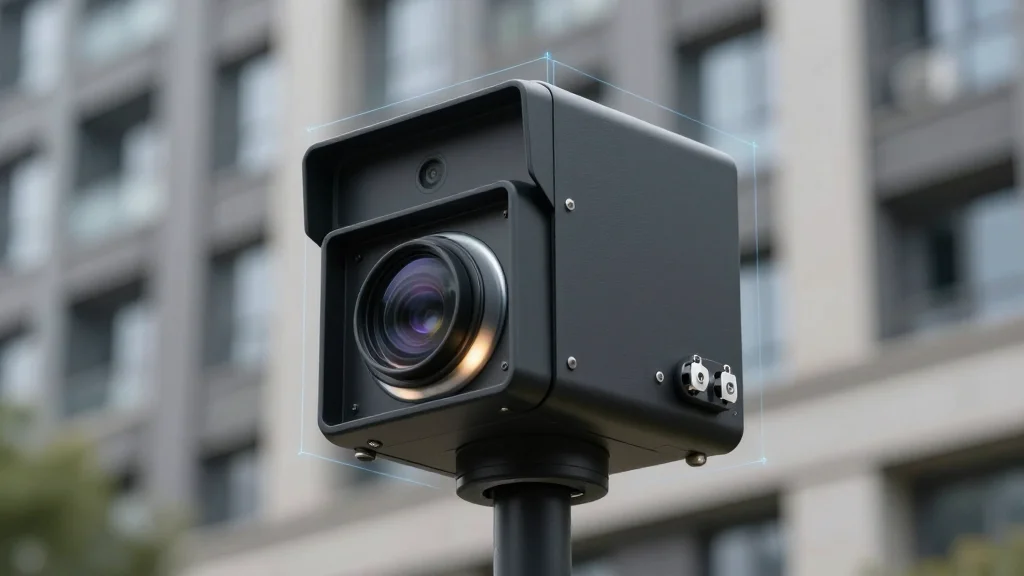
AirSight Showcases Open-Architecture AirGuard Ecosystem for Unified, Multi-Layer Drone Detection
Companies Mentioned
Why It Matters
By eliminating single‑vendor lock‑in, AirGuard gives critical infrastructure operators a scalable, evidence‑based solution to evolving drone threats, enhancing both security posture and operational flexibility.
Key Takeaways
- •AirGuard integrates radar, RF, visual, thermal, and Remote ID sensors.
- •Platform offers vendor‑agnostic, open‑architecture architecture for flexible deployments.
- •AI classification reduces false alerts by distinguishing drones from birds and clutter.
- •24/7 human monitoring validates alerts, improving response accuracy.
- •AWS cloud analytics enable predictive mapping and historical trend analysis.
Pulse Analysis
The rapid proliferation of commercial and hobbyist drones has turned airspace security into a top priority for airports, prisons, stadiums and other high‑value sites. Traditional single‑sensor solutions struggle to keep pace with sophisticated threats that can evade radar or spoof Remote ID signals. AirSight’s AirGuard ecosystem addresses this gap by aggregating multiple detection modalities—radar for non‑RF drones, directional RF sensors for signal‑based identification, and high‑resolution cameras for visual confirmation—into a unified dashboard. This layered approach not only broadens coverage but also creates redundancy, ensuring that a single point of failure does not compromise overall protection.
At the heart of AirGuard is an open‑architecture framework that rejects vendor lock‑in in favor of a plug‑and‑play model. Organizations can select best‑in‑class sensors from a vetted global pool, confident that AirSight’s independent testing validates performance before integration. The platform’s API connects seamlessly with existing security infrastructure, including video management systems, license‑plate recognition tools and emergency operations centers, while AWS‑driven cloud analytics provide historical trend analysis and predictive mapping. AI‑powered classification further refines alerts by filtering out birds, HVAC equipment and other non‑drone objects, dramatically lowering nuisance notifications.
For the broader market, AirGuard signals a shift toward interoperable, intelligence‑driven airspace defense. Facilities can now tailor detection architectures to specific risk profiles without sacrificing scalability or ease of use. The combination of automated sensor fusion, real‑time human verification and cloud‑based insights positions AirSight as a strategic partner for entities facing increasingly complex drone‑borne threats. As regulatory frameworks evolve and drone technology advances, platforms that offer flexibility, transparency and comprehensive situational awareness are likely to become the industry standard.
AirSight Showcases Open-Architecture AirGuard Ecosystem for Unified, Multi-Layer Drone Detection
Comments
Want to join the conversation?
Loading comments...