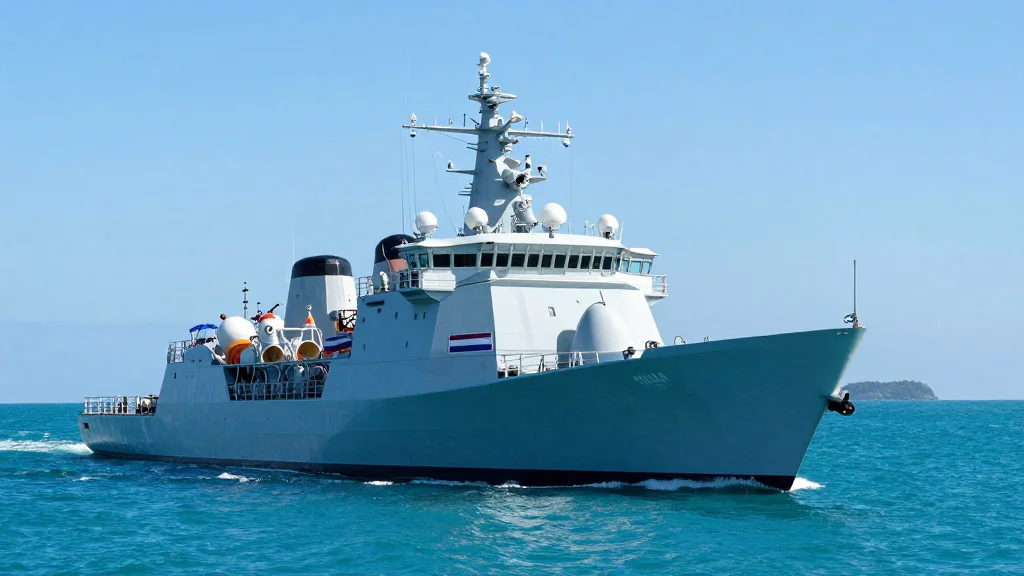
China Accuses Dutch Warship of ‘Provocative Acts’ in South China Sea
Why It Matters
The incident heightens friction between China and NATO‑aligned Europe, testing the limits of freedom‑of‑navigation operations in a contested maritime zone. It signals a potential escalation of diplomatic and military posturing as more European navies patrol the South China Sea.
Key Takeaways
- •China alleges Dutch frigate illegally entered Paracel Islands airspace.
- •Beijing used electronic jamming and warnings against HNLMS De Ruyter.
- •Netherlands defends mission as lawful under UNCLOS, strengthening regional ties.
- •Incident follows earlier Chinese helicopter approach near Philippines last week.
- •Dutch naval activity reflects growing European presence in Indo‑Pacific security.
Pulse Analysis
The South China Sea remains one of the world’s most volatile maritime corridors, with Beijing claiming roughly 90 percent of the waterway despite a 2016 Hague tribunal ruling that dismissed its expansive historic‑rights argument. The archipelago of the Paracel Islands, seized from Vietnam in the 1970s, serves as a strategic outpost for China’s air‑defense and surveillance networks, making any foreign naval activity there a flashpoint for diplomatic protest.
In late May, Chinese officials accused the Dutch frigate HNLMS De Ruyter of breaching Chinese airspace and provoking a response that included electronic jamming and verbal warnings. The Netherlands, citing UNCLOS, maintained that its passage was routine and aimed at deepening security cooperation with regional partners. This episode follows a similar helicopter encounter near the Philippines, illustrating a pattern of heightened vigilance by Chinese forces as European navies increase their Indo‑Pacific deployments.
For NATO and the European Union, the clash underscores the delicate balance between asserting freedom of navigation and avoiding inadvertent escalation with a rising maritime power. As European states like the Netherlands expand their naval footprints, they must coordinate closely with U.S. allies and regional partners to manage risks while reinforcing a rules‑based order. The episode may prompt diplomatic channels to reaffirm commitments to international law, but it also serves as a reminder that operational missteps could quickly spiral into broader geopolitical tension.
China accuses Dutch warship of ‘provocative acts’ in South China Sea
Comments
Want to join the conversation?
Loading comments...