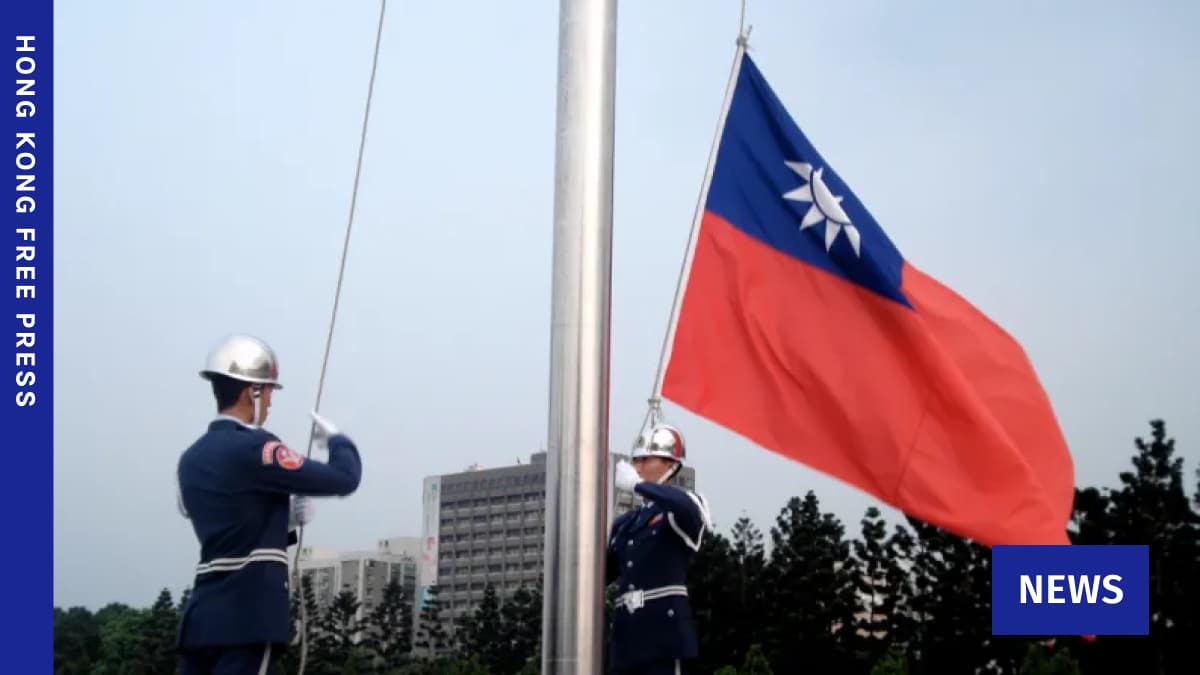
China Urges US to Preserve ‘Stability’ in Ties, Warns Taiwan Is ‘Risk Point’
Why It Matters
Stability between Beijing and Washington is critical to averting a Taiwan Strait flashpoint and maintaining global supply‑chain confidence. The upcoming presidential visit could either cement a fragile détente or amplify geopolitical tensions.
Key Takeaways
- •Wang Yi calls Taiwan the biggest risk in China‑US ties
- •Trump’s May 14‑15 China visit aims to cement post‑trade truce
- •Call also covered Middle East, reflecting broader strategic dialogue
- •Beijing urges US to honor commitments on Taiwan policy
- •Stability described as hard‑won after 2025 trade tensions
Pulse Analysis
The latest diplomatic overture from Beijing signals a calculated effort to lock in the modest calm that has characterized China‑U.S. ties since the 2025 trade truce. By framing stability as "hard‑won," Wang Yi acknowledges the volatility that defined the previous administration’s tariff wars and the lingering mistrust over technology bans and investment curbs. Trump’s imminent visit, the first by a sitting U.S. president in over a decade, offers a rare high‑level platform to test whether the bilateral relationship can move beyond transactional fixes toward a more predictable strategic partnership.
Taiwan remains the fulcrum of the bilateral relationship, with China repeatedly labeling the island the "core interest" that could overturn any progress on other fronts. Washington’s continued arms sales and diplomatic support for Taipei are viewed by Beijing as direct challenges to its sovereignty claims, raising the specter of a miscalculation that could spark a regional conflict. For investors, heightened Taiwan tensions translate into volatility for semiconductor supply chains, defense stocks, and Asian equity markets, making risk monitoring essential as diplomatic signals evolve.
Beyond the Taiwan issue, the call’s reference to the Middle East highlights China’s ambition to be a global diplomatic player, leveraging its energy ties with Tehran while navigating the U.S.-led coalition against Iran. This broader agenda suggests that future China‑U.S. engagements may increasingly involve multilateral coordination on security and economic matters, offering opportunities for firms that can navigate both regulatory environments. Companies should watch for any joint statements emerging from Trump’s visit, as they could set the tone for trade policy, technology standards, and cross‑border investment in the coming year.
China urges US to preserve ‘stability’ in ties, warns Taiwan is ‘risk point’
Comments
Want to join the conversation?
Loading comments...