Commentary: Deepening Iran War and Hormuz Crisis Have Left India Sidelined
Why It Matters
Disruptions in Hormuz threaten India’s energy security and food inflation, while the diplomatic sidelining reduces its influence in a geopolitically critical region.
Key Takeaways
- •Iran’s drone attack injured three Indians, prompting diplomatic protest.
- •Two Indian vessels were fired upon in Hormuz, ending safe‑passage gains.
- •India’s LPG imports, 90% via Hormuz, face price spikes and shortages.
- •Delhi’s silence on US‑Israel actions fuels criticism of its Middle‑East policy.
- •Reliance on Russian crude grows, but LPG diversification remains limited.
Pulse Analysis
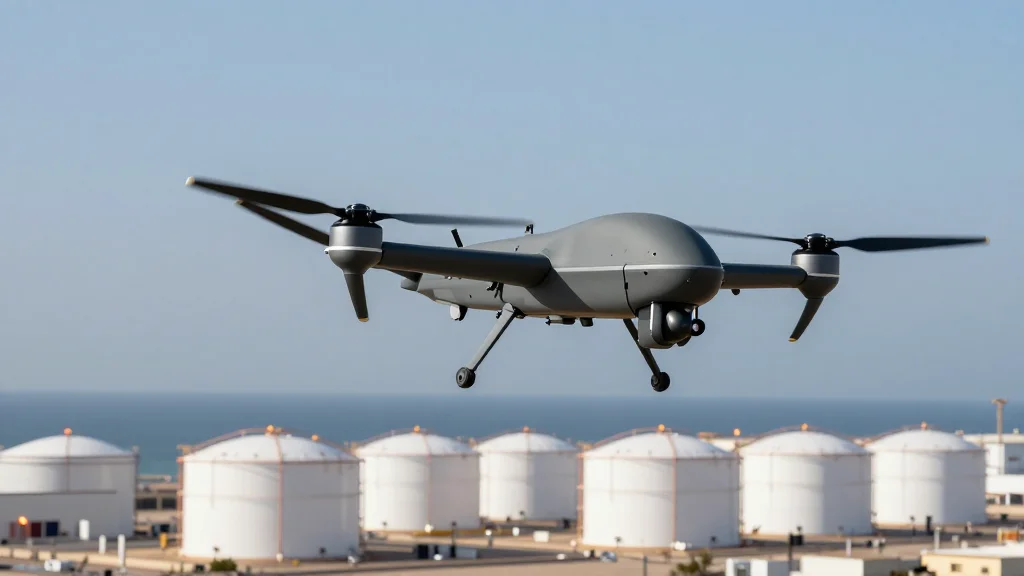
The escalation of the Iran‑Israel‑U.S. confrontation has suddenly placed India at the periphery of a conflict it once navigated with finesse. Tehran’s May 4 drone strike on a United Arab Emirates oil terminal, which wounded three Indian workers, and the earlier firing on two Indian‑flagged tankers in the Strait of Hormuz shattered the limited safe‑passage corridor New Delhi had secured through quiet diplomacy. Prime Minister Narendra Modi’s swift condemnation on X underscored the political cost of any perceived tolerance, while the summons of Iran’s ambassador signaled a rare public rebuke from a traditionally non‑aligned capital.
The immediate fallout is economic rather than military. Over 90 % of India’s liquefied petroleum gas—essential for household cooking—transits the Hormuz chokepoint, and the recent disruptions have already pushed cylinder prices upward, feeding broader food‑inflation pressures. Crude oil imports are being partially offset by increased purchases of Russian barrels, yet the LPG supply chain remains brittle, with few alternative routes. Fertiliser shipments, also sourced from the Gulf, face similar bottlenecks, threatening the country’s agricultural output at a time when global grain markets are already volatile.
Strategically, New Delhi’s attempt to juggle ties with Washington, Israel, the Gulf monarchies and Tehran has revealed the limits of its diplomatic elasticity. While India refrained from condemning the U.S.–Israel strike on Iran in February, the silence has drawn fire from opposition parties and analysts who argue the country is conceding influence to Pakistan, which is now courting a potential Chinese‑backed mediation role. With the Hormuz crisis likely to linger, India may need to deepen energy partnerships with non‑Middle‑East suppliers and recalibrate its regional posture to avoid marginalisation in future geopolitical flashpoints.
Commentary: Deepening Iran war and Hormuz crisis have left India sidelined
Comments
Want to join the conversation?
Loading comments...