EU to ‘Play Its Part’ to Restore Energy and Trade Flows From Middle East
Why It Matters
Restoring free passage through the Strait of Hormuz would alleviate global oil supply constraints and stabilize energy markets, while showcasing the EU’s capacity to project maritime security. The coordinated response also signals a unified Western stance on Middle‑East stability.
Key Takeaways
- •EU ready to deploy extra warships to protect Hormuz shipping
- •Aspides mission currently covers Red Sea, not yet Hormuz
- •Iran pledged to keep Strait open after ceasefire agreement
- •Oil prices dropped sharply as markets anticipate peace
Pulse Analysis
The Strait of Hormuz, a chokepoint through which roughly 20% of global oil and a significant share of liquefied natural gas transit, has been a flashpoint since Iran closed it in retaliation for U.S. and Israeli strikes. The closure amplified the already volatile energy market, pushing crude prices to multi‑year highs and prompting nations to scramble for alternative supply routes. Analysts note that any disruption in Hormuz reverberates through global supply chains, affecting everything from airline fuel costs to consumer gasoline prices in the United States.
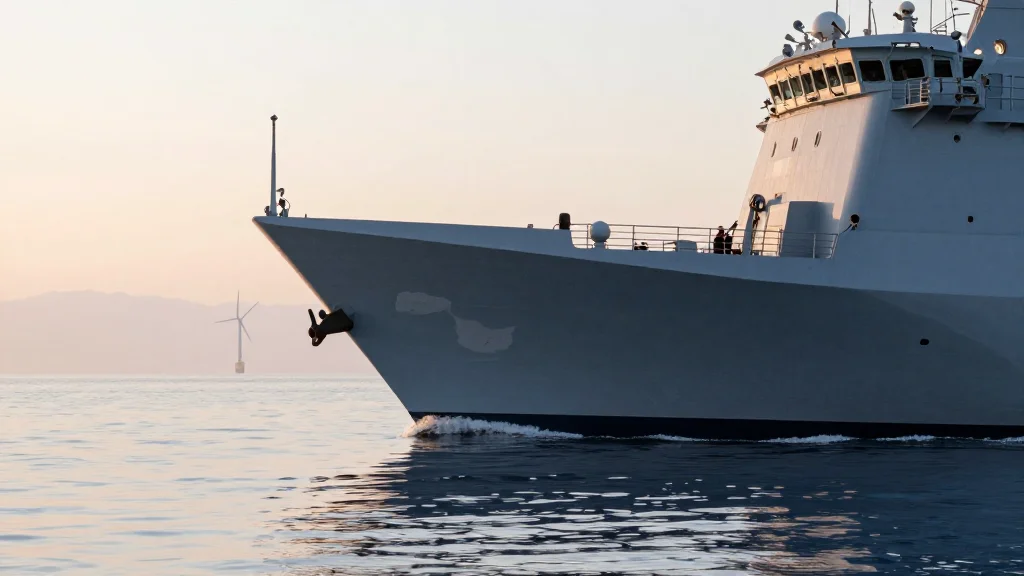
In response, the European Union is mobilizing its maritime assets under the Aspides operation, a naval mission originally tasked with protecting commercial vessels in the Red Sea and adjacent waters. While the mission’s mandate currently stops short of the Strait of Hormuz, EU leaders are weighing a rapid expansion to include the waterway, leveraging additional warships and coordinated patrols. This move underscores the EU’s growing willingness to assume a security role beyond its immediate borders, aligning with broader strategic objectives to safeguard energy trade routes and reduce reliance on U.S. naval presence.
Market participants welcomed Iran’s pledge to keep the strait open, driving a swift decline in oil prices as the risk premium eroded. The price dip reflects renewed optimism that a ceasefire could restore the free flow of energy, easing the global inflationary pressure linked to higher fuel costs. Looking ahead, the EU’s potential escalation of naval protection could serve as a deterrent against future closures, while also signaling to Tehran and other regional actors that collective Western action will be decisive in preserving maritime stability.
EU to ‘play its part’ to restore energy and trade flows from Middle East
Comments
Want to join the conversation?
Loading comments...